
Aum (Om): Sacred Sound and Symbol in Indian Religions
Aum (Om) is a primordial syllable and symbol central to Hinduism and other Indian traditions. It denotes a sacred sound, philosophical concepts, ritual practice, and a visual emblem used in texts, chants, and meditation.
Overview
Aum, commonly written as Om, is a short sacred syllable regarded as both a sound and a symbol in several Indian religious traditions. It is often described as the primal vibration or cosmic syllable that precedes and underlies creation. In religious life it functions as an invocation, a meditative focus, and a marker that opens or closes mantras and ceremonies. Many people encounter Aum at the start of prayers, recitations, and in yoga and meditation practices.
Image gallery
10 Images








Sound, Shape, and Components
Phonetically Aum is typically articulated as three parts: a, u and m, which can be heard as a flowing single sound. These elements are sometimes associated with waking, dreaming and deep sleep states, with an additional silent aspect representing transcendence. The written symbol (Devanagari: ॐ) is visually distinctive and widely used as a graphic emblem. As a sound it is chanted aloud or internally; as a symbol it appears on temples, manuscripts and jewelry.
Scriptural and Historical Context
Aum is referenced in early Hindu texts such as the Upanishads and the Vedas and is used in later scriptures, hymns and commentaries. It appears at the beginning of many traditional texts and is treated in metaphysical terms by classical poets and philosophers. Its use developed over time from liturgical utterance to a central sign in contemplative and philosophical systems.
Meaning and Interpretations
Interpretations of Aum vary by school. In many Vedantic and Yogic teachings it represents ultimate reality, the unity of the manifest and unmanifest, or the identity of individual consciousness with cosmic consciousness. Different commentators link the sound components to cosmic principles, human faculties, or stages of spiritual awakening. While there is no single authoritative explanation, Aum is broadly regarded as a concise expression of core metaphysical ideas.
Uses and Practices
- Liturgical: said at the start and end of prayers, rituals and recitations.
- Meditative: chanted to calm the mind, synchronize breath and concentrate attention.
- Philosophical: used as a topic of study in classical texts and commentaries.
- Artistic and cultural: appears in calligraphy, iconography and public inscriptions.
Cross‑tradition Significance and Notable Facts
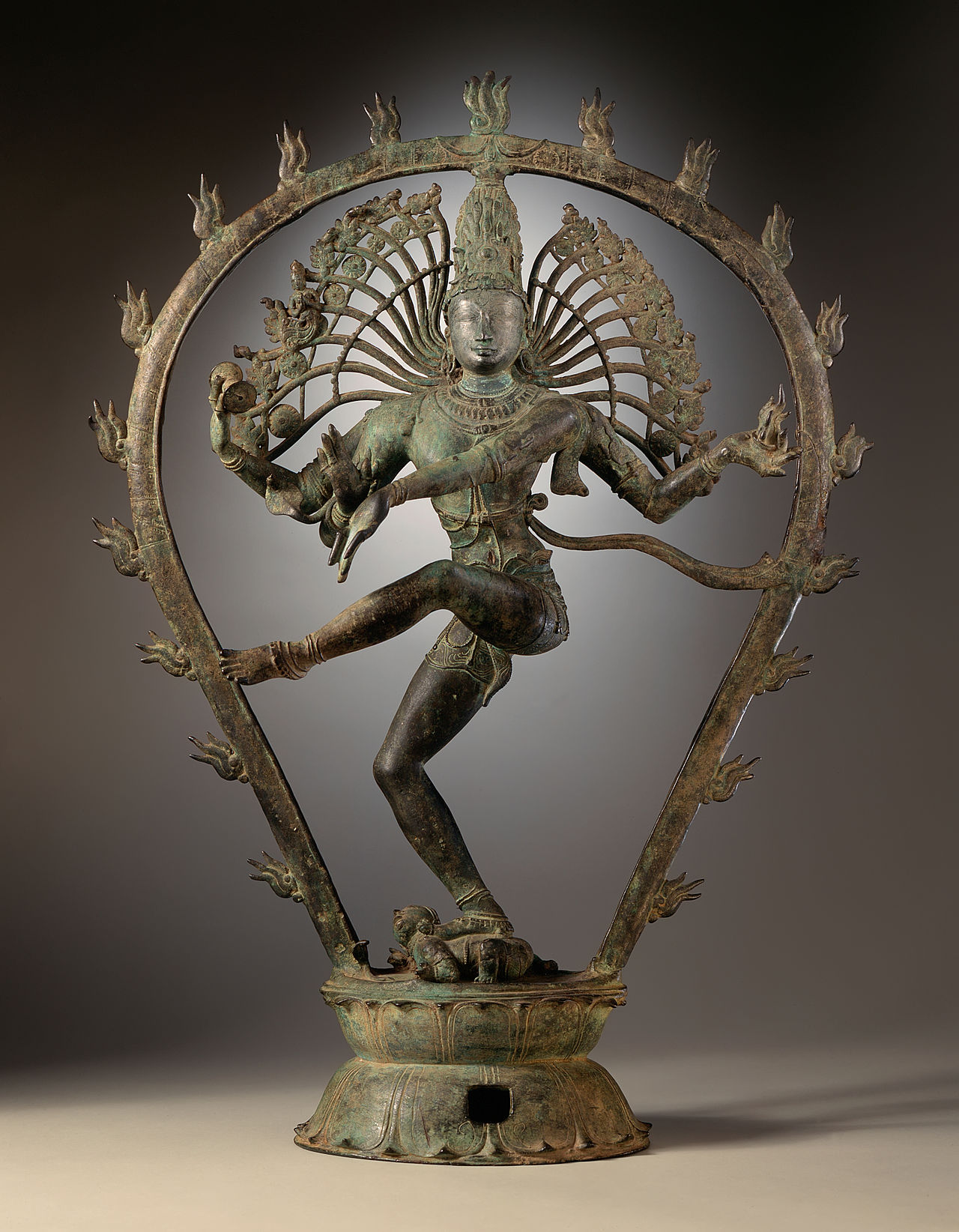
Aum is important beyond Hinduism: it is incorporated into some Buddhist and Jain practices and appears in modern spiritual movements. It is sometimes associated with deities in popular devotion, but its role is primarily symbolic and liturgical rather than the name of a single god. Scholarly and devotional treatments emphasize different aspects—sound, symbol, or doctrine—so context matters when encountering references to Aum in texts and practice. For further cultural and academic introductions see sources on the sacred sound, the written symbol, and the tradition of Hinduism, as well as study materials and translations of principal scriptures. The syllable is sometimes connected in art and lore with figures such as Shiva, though its meanings and uses extend well beyond any single personality.
Related articles
Author
AlegsaOnline.com Aum (Om): Sacred Sound and Symbol in Indian Religions Leandro Alegsa
URL: https://en.alegsaonline.com/art/7365