
Aomori Prefecture
Aomori Prefecture, at the northern tip of Honshu, Japan, is known for its forests, coastline, apple orchards, distinctive festivals and sites such as Shirakami-Sanchi and Lake Towada.

Aomori Prefecture is a prefectural jurisdiction in northern Honshu. It is officially a prefecture in the Tōhoku region of Japan. The administrative centre and largest city is Aomori. The prefecture occupies a strategic position at the top of the island, with long coastlines, inland mountains and extensive forests, and it faces the strait that separates Honshu from Hokkaido.
Image gallery
10 Images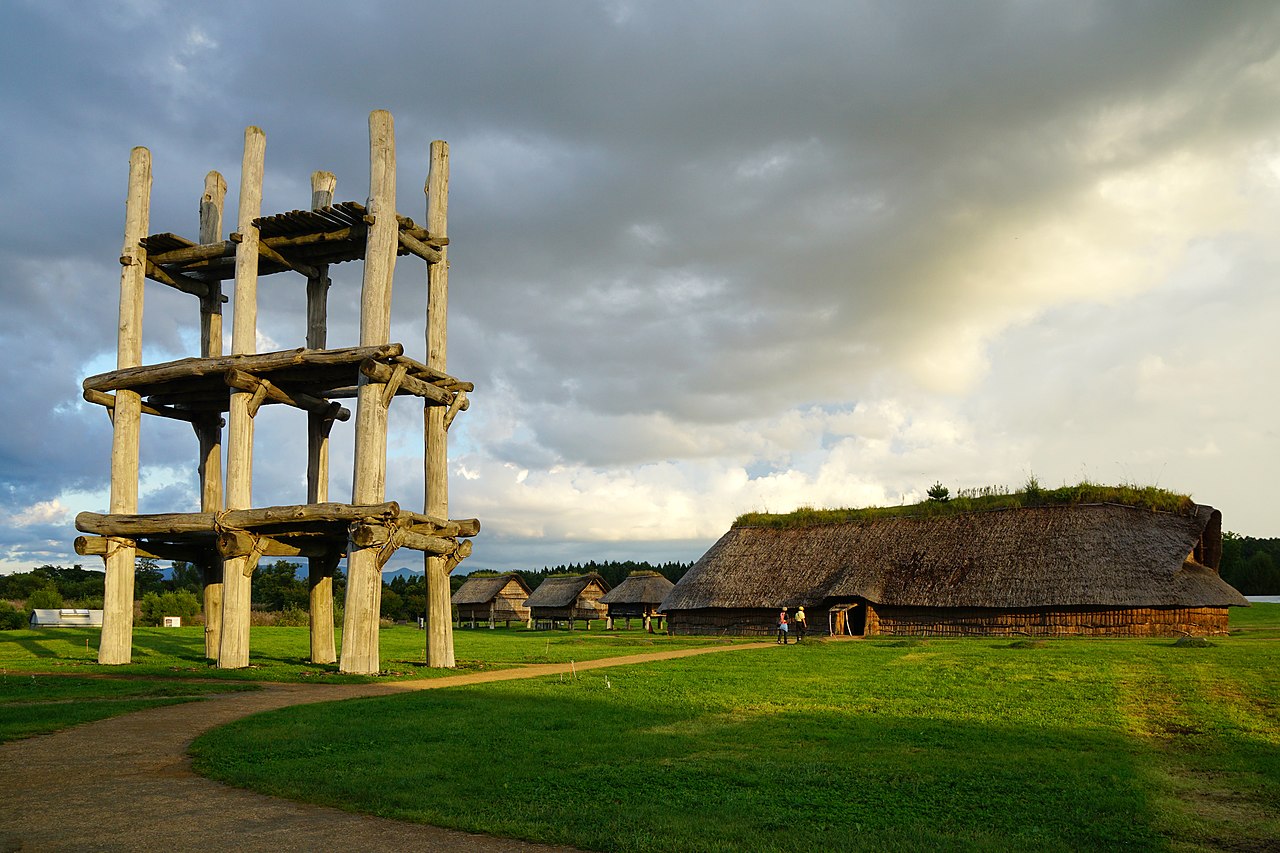


Geography and climate
Terrain ranges from coastal plains to rugged highlands. The coastline includes broad bays and rocky headlands while interior areas contain mountain ranges and river valleys. Winters are notable for abundant snowfall in many districts, and the climate tends to be cool relative to more southerly parts of Japan. Large tracts of natural forest remain, including ancient beech woodlands that are ecologically important.
History, culture and identity
Human settlement in the area dates back many centuries, and Aomori preserves diverse cultural influences: indigenous Ainu heritage, regional Nanbu and Tsugaru traditions, and later national developments. Local culture is expressed vividly in seasonal festivals, most famously the illuminated parade floats of the Nebuta Festival, as well as distinctive folk music, lacquerware and regional foods.
Economy and local products
Agriculture and fishing are long-standing pillars of the local economy. The prefecture has a strong reputation for fruit cultivation, especially apples, and its coastal waters support commercial fisheries. Forestry and timber processing are important where large forests remain. In recent decades tourism and services have grown, driven by natural sights, hot springs and cultural events.
Attractions and travel
Visitors come for scenic and cultural highlights. Notable places include parts of Shirakami-Sanchi, recognized for old-growth beech forest and protected status; volcanic calderas and lakes such as Lake Towada and the Oirase Gorge; castle sites known for springtime cherry blossoms; and traditional festivals that draw national attention. Transport links include regional rail, road networks and undersea connection points to neighboring regions, which support both freight and seasonal travel.
Notable facts and contemporary issues
Aomori is distinguished by its combination of natural landscapes, seasonal contrasts and strong local traditions. Like many rural prefectures, it faces demographic and economic challenges and has initiatives aimed at conservation, sustainable forestry and revitalizing communities through tourism and local industries.
Quick reference
- Main natural sites: Shirakami-Sanchi, Lake Towada, coastal bays and mountain ranges
- Signature products: apples, seafood, timber
- Cultural highlights: Nebuta floats, regional crafts and festivals
Related articles
Author
AlegsaOnline.com Aomori Prefecture Leandro Alegsa
URL: https://en.alegsaonline.com/art/4830
Sources
- stat.go.jp : National Census 2010 Preliminary Results
- env.go.jp : "General overview of area figures for Natural Parks by prefecture"
- biodic.go.jp : "Towada-Hachimantai National Park"
- eos.kokugakuin.ac.jp : "Nationwide List of Ichinomiya," p. 1