
Orillia, Ontario
Orillia is a small city in Central Ontario, Canada, located between Lake Couchiching and Lake Simcoe. It is known for its waterfront, cultural festivals, and ties to author Stephen Leacock.
Overview
Orillia is a small city in Central Ontario, in the province of Canada. It lies roughly 135 kilometres north of Toronto and occupies land between two connected bodies of water: Lake Couchiching to the north and Lake Simcoe to the south. The 2011 Canadian census recorded a population of 30,586; the community remains modest in size and plays a regional role as a service and cultural centre.
Image gallery
9 Images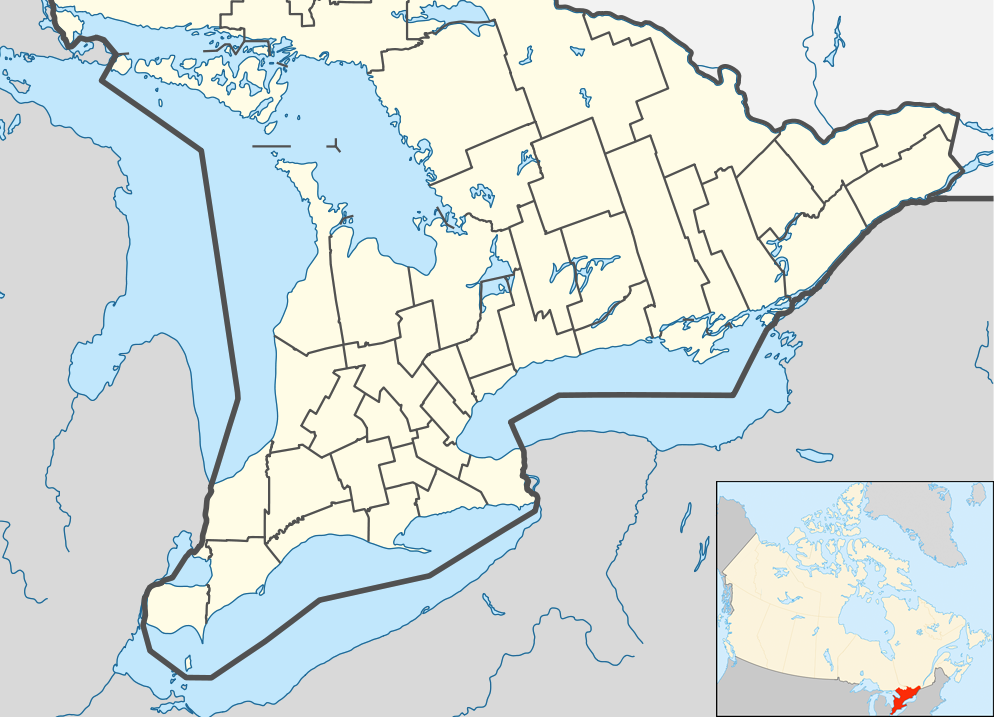




Geography and environment
Orillia's downtown sits adjacent to a narrow channel that links Lake Couchiching and Lake Simcoe, giving the city extensive waterfront and parkland. The shoreline, marinas and trails attract boating, fishing and seasonal tourism. Local green spaces and riverfront areas are important for recreation and provide habitat for a variety of freshwater species. The city's climate is typical of central Ontario, with cold winters and warm summers.
History and origins
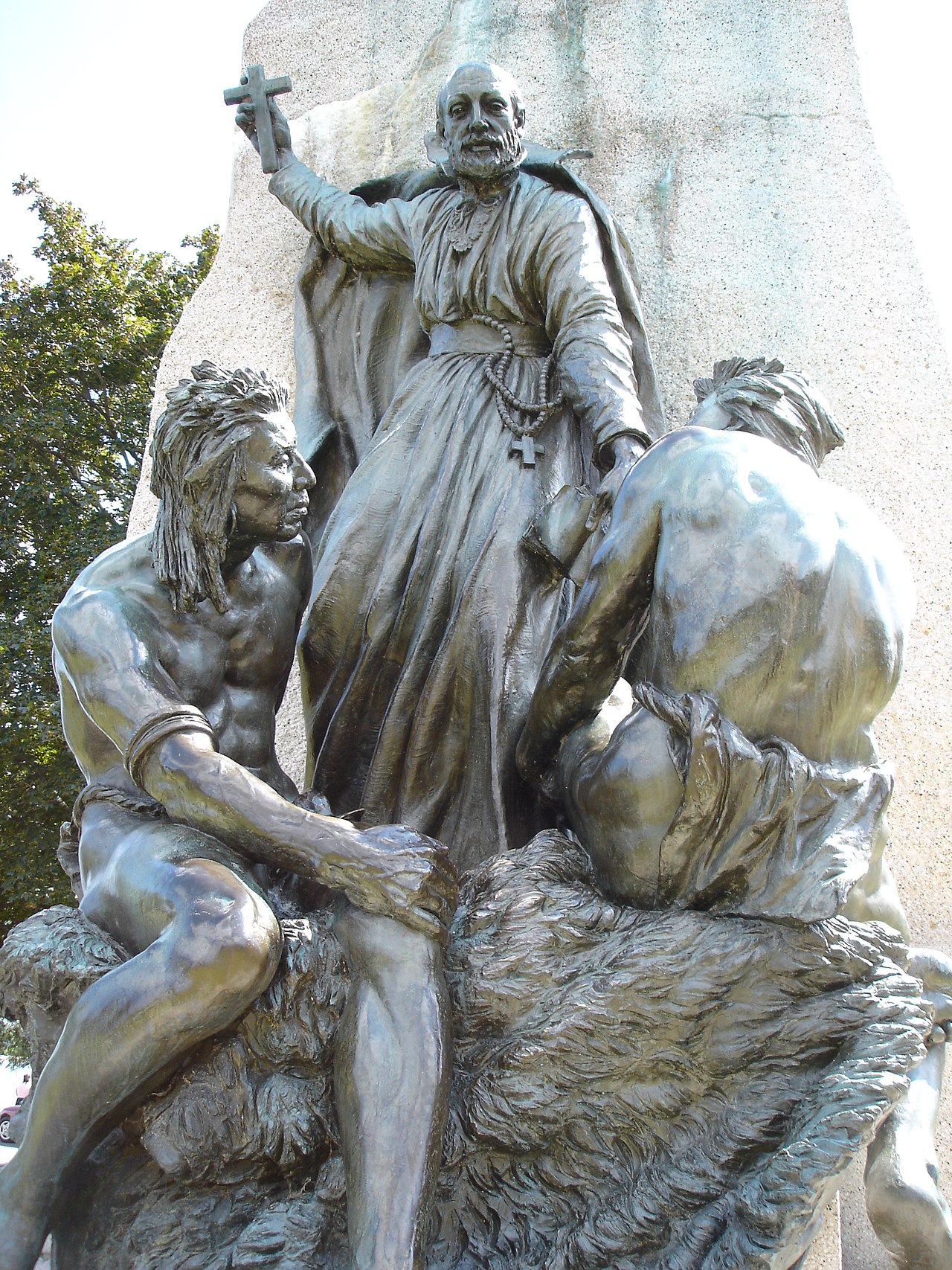
Indigenous peoples, including groups historically identified with the Huron and the Iroquois, occupied the area around the lakes for thousands of years before European settlement. The European community that became Orillia developed in the 19th century around lumber, transport and trade. The settlement was incorporated as a village in 1867 and later became an incorporated city in 1967. The origin of the name "Orillia" is uncertain; one common suggestion links it to the Spanish word orilla, meaning the shore or bank of a river, though other explanations have been proposed.
Government, public services and economy
The city is governed by a municipal council made up of a mayor and councilors who oversee local services such as parks, planning and local roads. Orillia hosts several public institutions and services that serve the surrounding region, including health-care facilities and law-enforcement offices; the Ontario Provincial Police maintain a notable presence in the area. The local economy is a mix of tourism, small-scale manufacturing, retail and public services, with the waterfront and seasonal festivals generating visitor activity in summer months.
Culture, attractions and events
Orillia has a lively cultural life for its size. It is associated with humorist Stephen Leacock, whose writings drew on small-town life and who lived in the city; his house is preserved as a museum. Important cultural venues and annual events include:
- Heritage sites and museums such as the Leacock Museum and local history displays.
- Music and arts events, including folk and community festivals that draw regional audiences.
- Waterfront parks, marinas and trails that form the focus of outdoor recreation.
Transport and notable facts
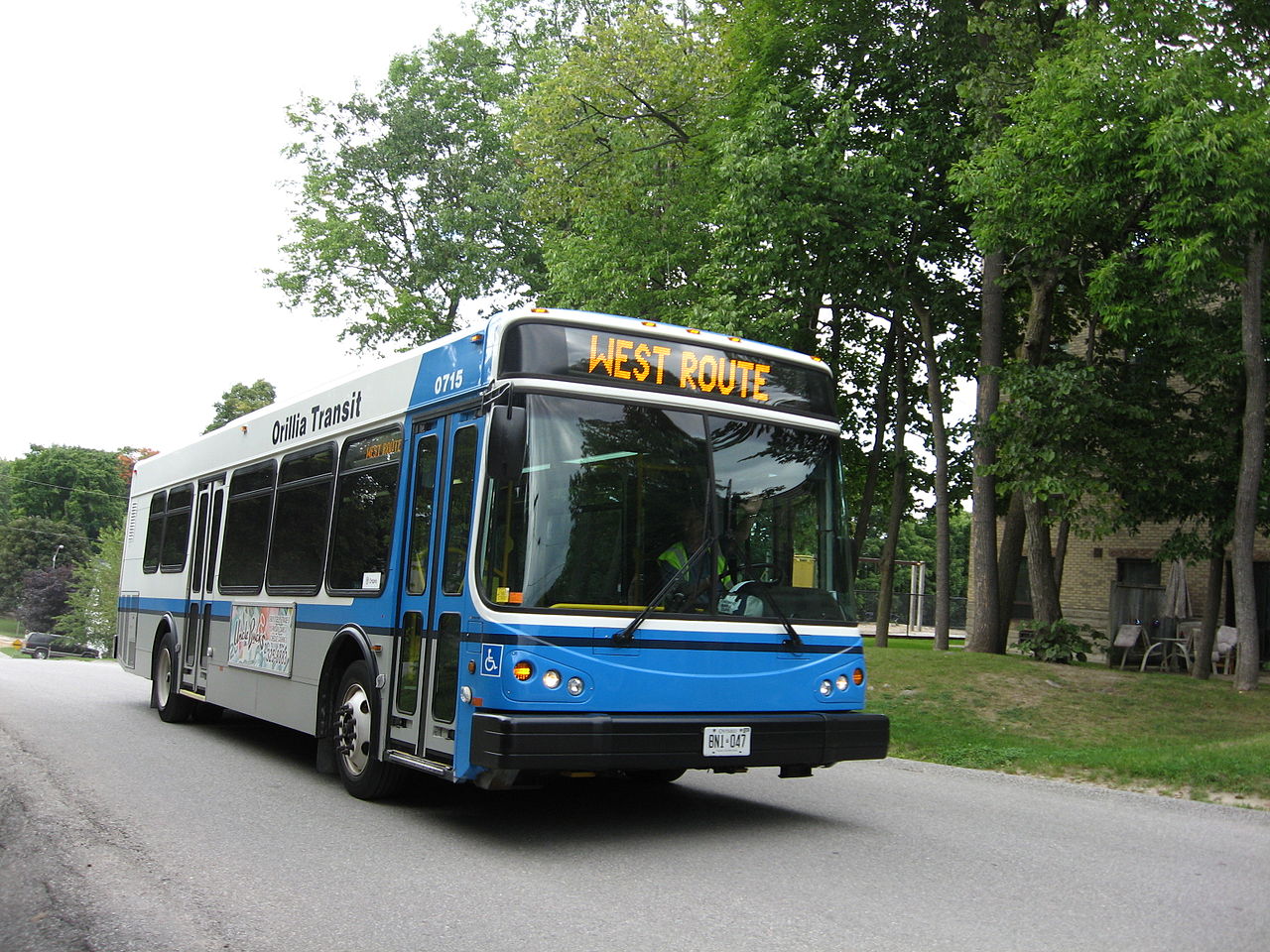
Orillia is accessible by provincial highways that link it to Toronto and northern Ontario. Regional bus services and private shuttle routes provide connections to larger centres. The city is sometimes nicknamed for its sunny character in tourism materials and continues to balance a quiet civic character with seasonal influxes of visitors. For more information about the area and local institutions, see regional resources and community guides linked below.
Central Ontario information • Canadian regional overview • Greater Toronto connections • Indigenous history resources • Etymology references
Related articles
Author
AlegsaOnline.com Orillia, Ontario Leandro Alegsa
URL: https://en.alegsaonline.com/art/73150