
Oprichnina: Ivan IV’s policy of separation and repression (1565–1572)
Oprichnina was a policy instituted by Tsar Ivan IV that created a separate domain and security force, used for mass repression, land confiscation and centralization of power in sixteenth‑century Russia.
Overview
Oprichnina (Old Russian: опричь, "apart" or "except") was a state policy introduced by the Russian state under the Tsar Ivan IV. It operated in the period beginning in 1565 and formally ended in 1572. The term refers both to a designated territory directly controlled by the ruler and to the institutions and practices used to secure his power. Oprichnina is widely remembered for its role in centralizing authority and for the severe methods it employed against perceived opponents.
Image gallery
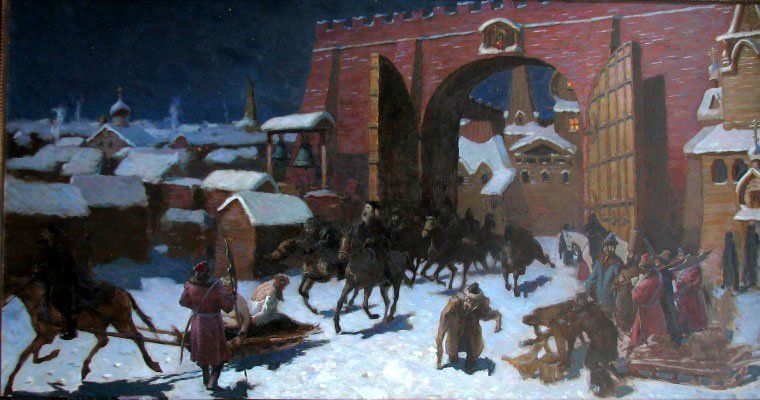
3 Images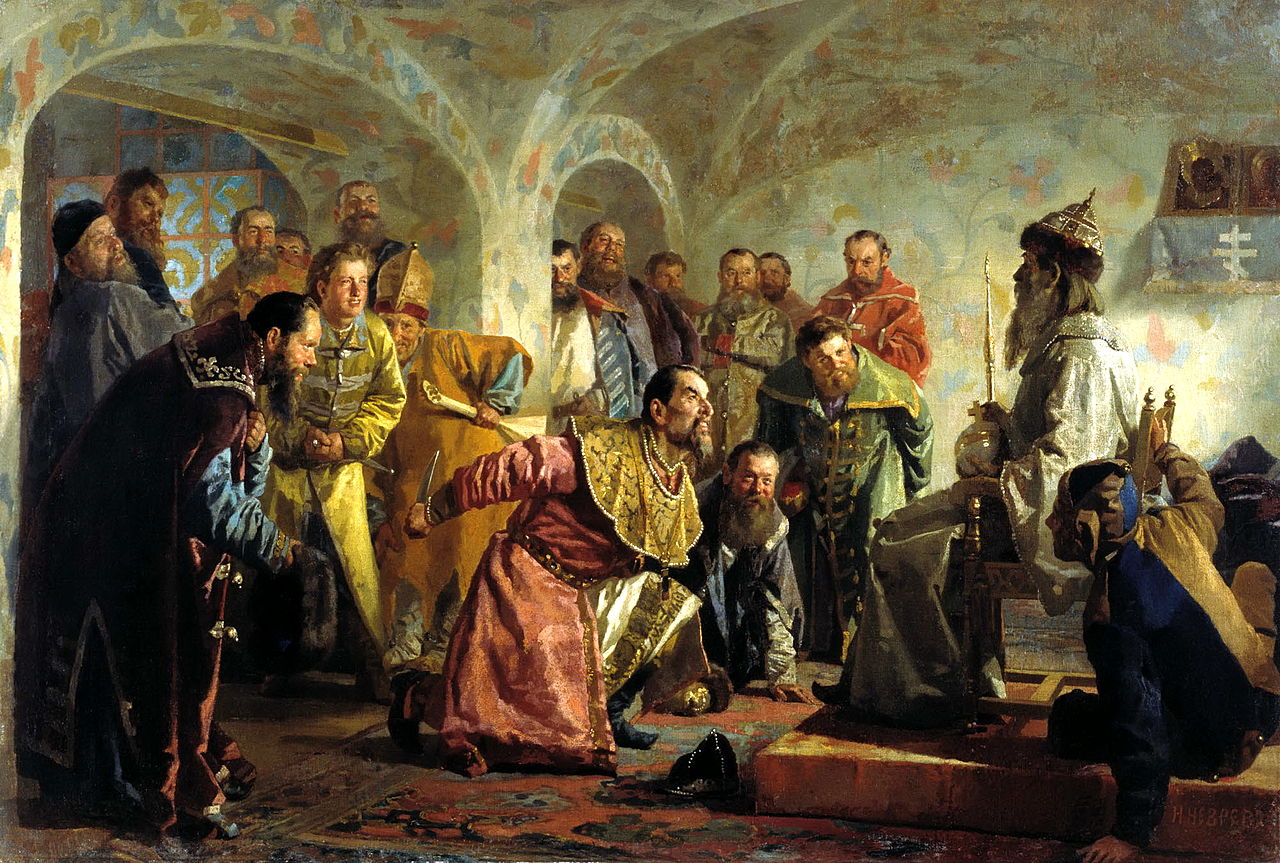

Structure and main elements
The policy divided the country into two zones: the Oprichnina, the tsar's personal domain, and the Zemshchina, the remainder governed under traditional arrangements. Key components included:
- a corps of enforcers (the Oprichniki) who operated as a kind of secret police and personal guard;
- systematic confiscation of estates and property from the nobility and other suspects;
- public and private punishments, including executions and exile; and
- administrative reorganization of lands taken from the aristocracy.
Methods and practices
Oprichniki were noted for their distinctive appearance and the use of terror as an instrument of policy. They carried out arrests, supervised trials or summary punishments, and managed the redistribution or seizure of property from the boyars. The policy combined legal measures with arbitrary actions, and its methods ranged from bureaucratic dispossession to violent repression.
Origins, purpose and motivations
Historians generally view the Oprichnina as a response to Ivan IV’s distrust of the high nobility and to perceived internal threats. The tsar sought to break the power of the feudal aristocrats, secure revenue and manpower directly under the crown, and impose a tighter personal control over the state. Personal, political and military pressures of the era shaped the program.
Impact and legacy
Oprichnina had immediate effects: it weakened many noble families, disrupted established land relations, and caused social and economic dislocation in affected regions. It was abolished in 1572, but its consequences lasted longer, contributing to debates about governance, the rule of law and autocracy in Russian history. Scholars continue to debate whether it strengthened central authority in the long term or primarily intensified instability and suffering.
Notable facts
- Operation dates: 1565–1572.
- Enforcers known as Oprichniki functioned as a specialized force and security service (secret police).
- Measures included confiscation, exile and public executions directed largely at the boyar class.
Related articles
Author
AlegsaOnline.com Oprichnina: Ivan IV’s policy of separation and repression (1565–1572) Leandro Alegsa
URL: https://en.alegsaonline.com/art/72873