
1572 (year)
Overview of the year 1572: major events, scientific milestones, numeric properties, and its place in the European religious and cultural landscape.
1572 was a notable year in the late Renaissance era, occurring during the broader period of the Reformation and the age of overseas exploration. Numerically, 1572 is an even composite number (prime factorization 2^2 × 3 × 131), written in Roman numerals as MDLXXII. It is also an abundant number: the sum of its proper divisors exceeds the number itself. In calendrical terms it was a leap year under the Julian system used by most European states at the time.
Image gallery
10 Images





Major events
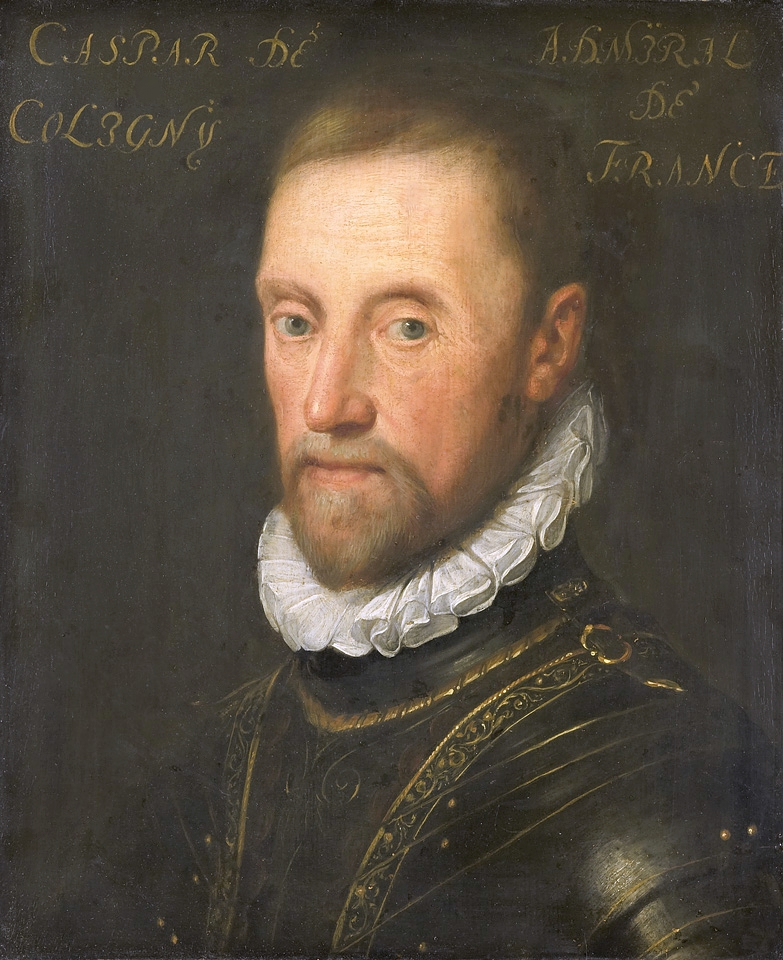
- St. Bartholomew's Day Massacre (August 1572) — A mass killing of Huguenot Protestants began in Paris and spread to other regions of France after an attempt on the life of Admiral Gaspard de Coligny. The violence intensified the French Wars of Religion and had lasting political and demographic consequences.
- Capture of Brielle (April 1, 1572) — Members of the Dutch rebel fleet (the Watergeuzen or Sea Beggars) seized the port town of Brielle. This action is widely regarded as a turning point in the Dutch Revolt against Spanish rule, helping to galvanize resistance in the Low Countries.
- Tycho Brahe's new star (1572) — Observers across Europe, most famously the Danish astronomer Tycho Brahe, recorded a bright new object in the constellation Cassiopeia. Now interpreted as a supernova (SN 1572), the phenomenon challenged prevailing ideas about the immutable heavens and advanced empirical astronomy.
Beyond these headline events, 1572 fell within a period of intense political, religious and cultural change: Protestant and Catholic tensions shaped governments and communities; exploration and colonization continued in the Americas and Asia; and printing and scholarly exchange widened access to ideas.
Scientific and cultural significance
The astronomical observations of 1572 exemplify a shift toward careful measurement and skepticism of inherited authority. The new star stimulated debate about celestial physics and contributed to a gradual reorientation from medieval cosmology toward modern astronomy. In arts and letters, the late 16th century saw continued growth in vernacular literature, theater and the visual arts across Europe.
Numerical and ancillary facts
- Factors: 1, 2, 3, 4, 6, 12, 131, 262, 393, 524, 786, 1572.
- Prime factorization: 2^2 × 3 × 131.
- Roman numeral: MDLXXII.
Historically, the events of 1572 are often cited for their political and religious repercussions: the massacre in France hardened confessional divides, while successes in the Low Countries helped to sustain a prolonged struggle for independence. The year's astronomical episode remains a landmark in the shift toward observational science.
Related articles
Author
AlegsaOnline.com 1572 (year) Leandro Alegsa
URL: https://en.alegsaonline.com/art/111499