
Ophiuchus: the Serpent-Bearer constellation
Ophiuchus is a large constellation near the celestial equator, associated with the serpent-bearer (Asclepius). It contains bright stars like Rasalhague, several globular clusters, and lies on the ecliptic.
Overview
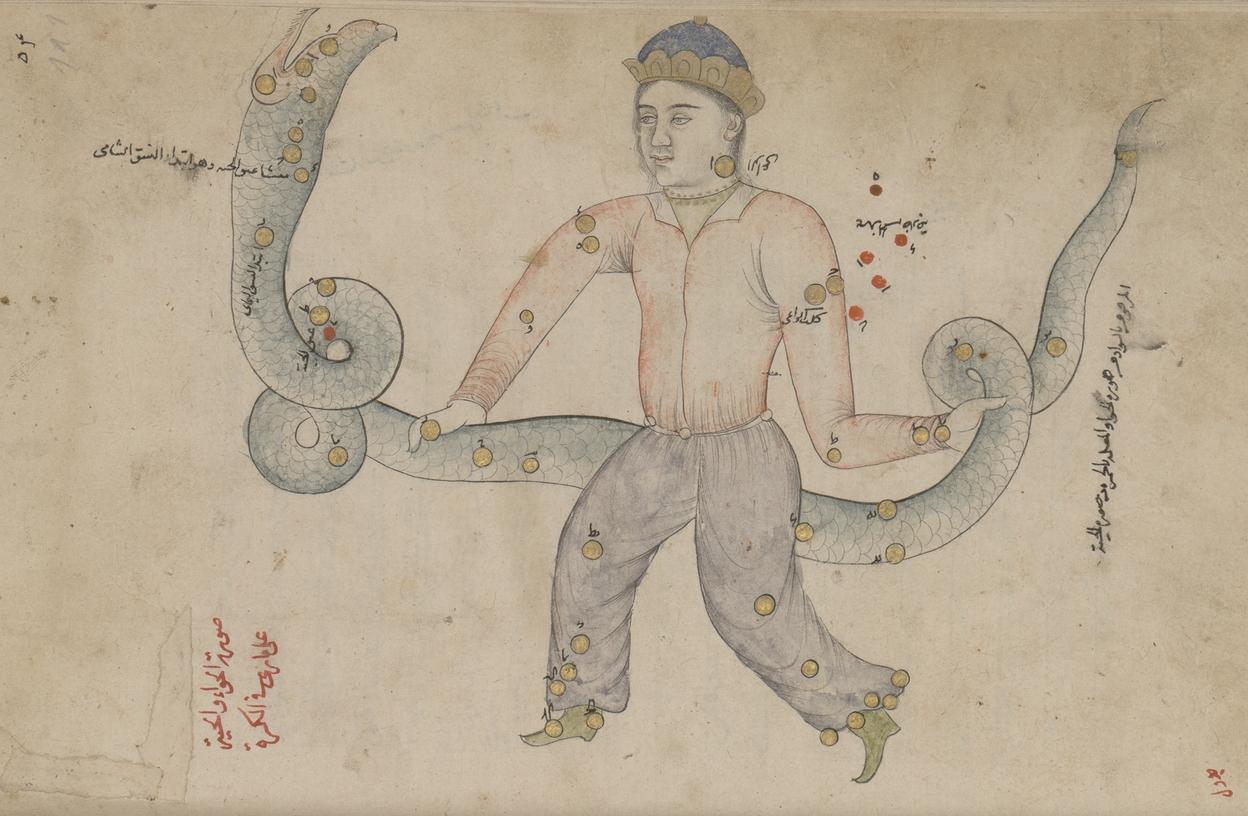
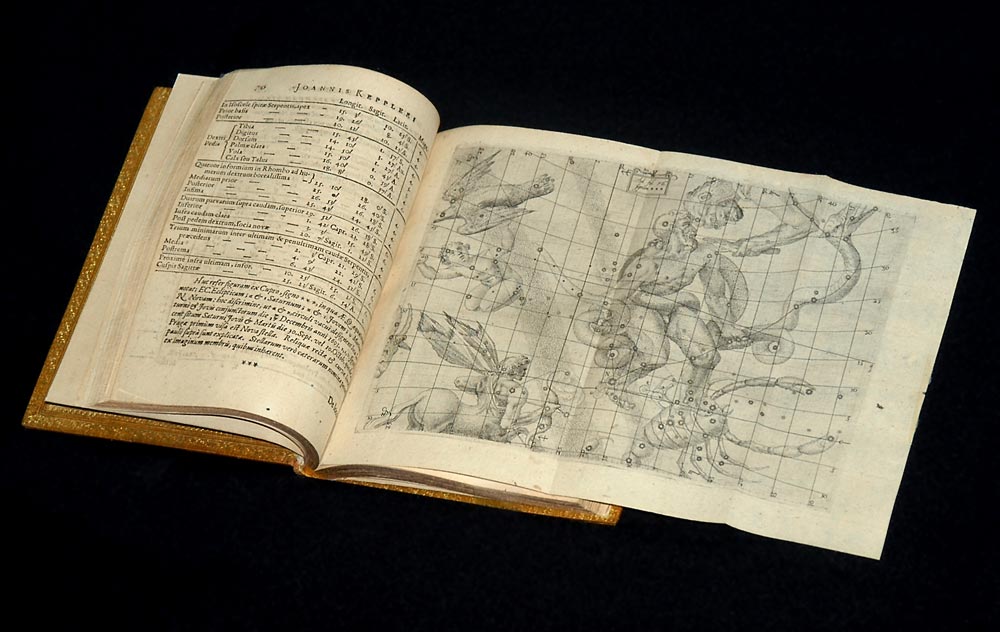
Ophiuchus (from the Greek for "serpent-bearer") is one of the 88 modern constellations recognized by astronomers. It sits near the celestial equator and spans a broad swath of sky northwest of the Milky Way's central regions. The constellation is notable for its visual association with a human figure grasping a snake: the snake is represented by the constellation Serpens, which is uniquely split into two parts that flank Ophiuchus.
Image gallery
10 Images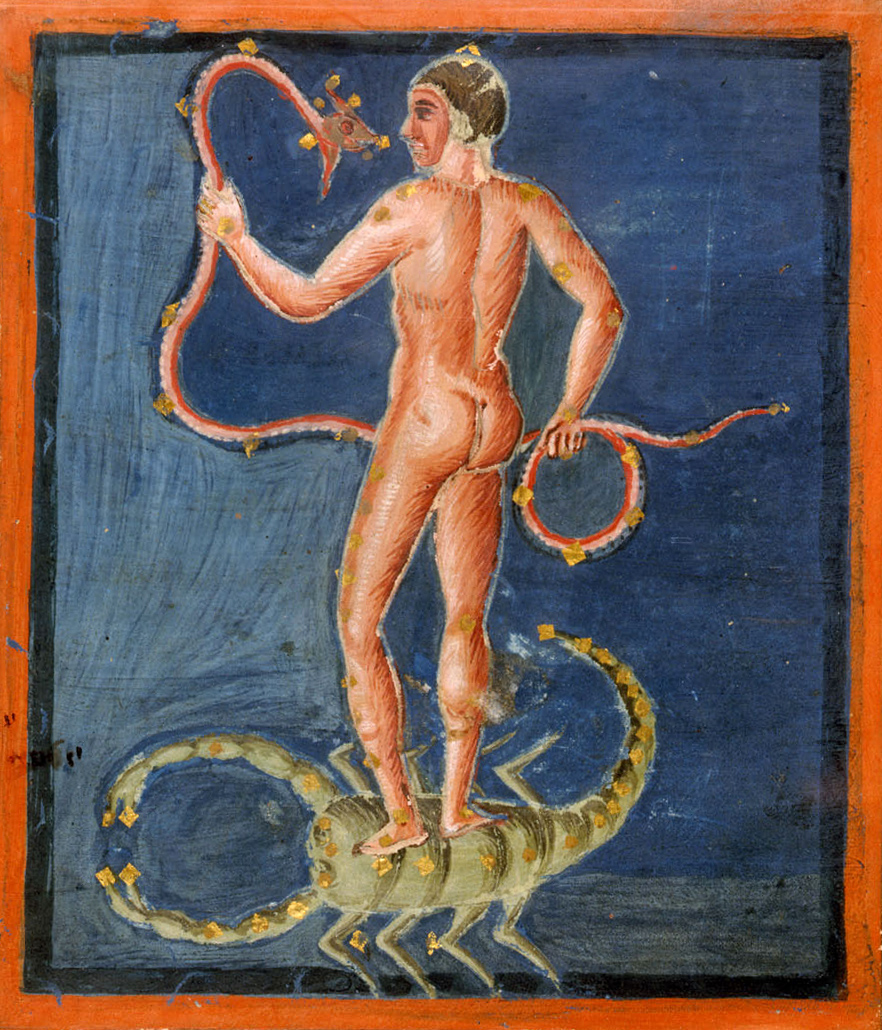






Stars and deep-sky objects
The brightest star is Rasalhague (Alpha Ophiuchi), a white giant that marks the head of the figure. Other visible stars form the outline of the "serpent-bearer" and several multiple-star systems and binocular doubles can be found. Ophiuchus also hosts a number of interesting deep-sky objects: the globular clusters Messier 10 and Messier 12 lie within its borders, and the nearby high-proper-motion red dwarf Barnard's Star is a well-known object of study. The modern constellation boundaries were standardized in the 20th century by the IAU.
History and mythology
Ophiuchus has ancient origins and was catalogued by classical astronomers. In Greek mythology it is often associated with Asclepius, the healer who could restore the dead to life; for this gift Zeus placed him among the stars. The imagery of a man holding a serpent has parallels in other cultures and appears in star charts from antiquity through the medieval period. The companion constellation Serpens — split into Serpens Caput (the head) and Serpens Cauda (the tail) — makes the scene visually distinctive.
Zodiacal role and modern discussion
The Sun crosses the area occupied by Ophiuchus along the ecliptic, meaning the Sun appears in this constellation during a portion of the year. Because traditional astrology uses a schematic twelve-sign zodiac with fixed segments, Ophiuchus has not been part of the classical astrological zodiac despite the Sun's passage. Astronomers therefore sometimes note a thirteen-constellation ecliptic band, which has generated public interest and occasional confusion in popular media: compare astronomical charts and astrological tables for different systems and dates. For a concise list of constellations see constellation list.
Observing tips and notable facts
Ophiuchus is best seen from mid-northern latitudes in summer and autumn. It lies close to the celestial equator (celestial equator) and northwest of the center of the Milky Way (Galactic center region), so star fields here can be rich and include faint clusters. Though the Sun traverses its area (ecliptic and zodiac note), most star charts do not count it among the twelve zodiac signs. The space probe Voyager 1 is moving roughly in the same general direction on the sky as Ophiuchus (Voyager 1), a fact sometimes mentioned to illustrate the constellation's location relative to spacecraft trajectories.
Ophiuchus combines classical myth, interesting stellar targets, and a role in modern discussions about the ecliptic. Whether approached from cultural history, naked-eye observing, or telescope work, it remains a prominent and historically rich constellation in the northern sky.
Related articles
Author
AlegsaOnline.com Ophiuchus: the Serpent-Bearer constellation Leandro Alegsa
URL: https://en.alegsaonline.com/art/72842