
Opus Dei (Prelature of the Holy Cross and Opus Dei)
A personal prelature of the Roman Catholic Church promoting holiness in ordinary life, founded by St. Josemaría Escrivá; explains structure, spirituality, history, activities, and common distinctions.
Opus Dei, formally the Prelature of the Holy Cross and Opus Dei, is an institution of the Roman Catholic Church that emphasizes the call to holiness in everyday work and ordinary life. Its name is often translated as Work of God and reflects a central idea of its spirituality: that lay people can seek sanctity through their professional duties and family responsibilities. The word "Opus Dei" itself comes from Latin.
Image gallery
7 Images


Founding and development
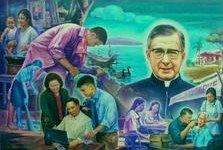
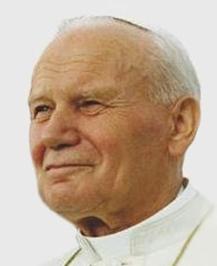
Opus Dei was founded in 1928 by the Spanish priest Josemaría Escrivá, who taught that holiness is attainable by Christians in ordinary circumstances rather than only by those in religious life. The movement received formal approval from the Holy See in stages; it was recognized in various forms before being approved more broadly under Pope Pius XII mid-century. In 1982 Pope John Paul II established Opus Dei as a personal prelature, a canonical structure that places pastoral care of its members under a prelate rather than within a territorial diocese.
Structure and membership
As a personal prelature, Opus Dei is led by a prelate who exercises authority over members worldwide, complementing the pastoral work of local bishops. The organization includes celibate priests incardinated in the prelature and lay members who live ordinary lives. Membership is commonly categorized into groups such as:
- Numeraries: celibate lay members who often live in Opus Dei centers and dedicate themselves full-time to its apostolic work;
- Associate and supernumerary members: lay persons, often married, who pursue sanctity through family and professional duties;
- Priests of the prelature: clergy who provide sacramental ministry and spiritual formation within the prelature.
Spirituality and activities
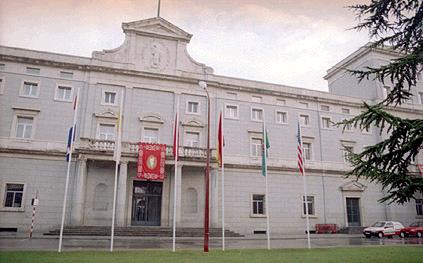
Opus Dei stresses formation in prayer, regular reception of the sacraments, spiritual direction, and the pursuit of professional competence as a service to others. Formation programs include retreats, doctrinal and human formation, and guidance to integrate faith into daily tasks. The prelature operates educational centers, social initiatives, and university outreach in many countries; members also work in a range of secular professions, viewing their work as a means of service and personal growth.
Canonical status and relations
Under canon law a personal prelature differs from a territorial diocese in that its jurisdiction follows persons rather than territory. The prelate functions similarly to a local bishop for members of the prelature, coordinating formation and pastoral care while cooperating with diocesan bishops. This structure was intended to allow a cohesive pastoral program for members spread across regions and nations.
Reception and controversies
Opus Dei has attracted both supporters and critics. Admirers point to its emphasis on lay holiness, professional ethics, and educational works. Critics have raised concerns about secrecy, influence, or internal practices; some debates focus on transparency and the degree of involvement of members in public life. The movement entered wider public awareness through media, scholarly discussion, and portrayals in fiction, prompting ongoing interest and examination.
Josemaría Escrivá was beatified and later canonized, and his writings remain a primary source for Opus Dei's spirituality. Today the prelature continues to promote its message that ordinary work and everyday duties are a path to holiness, offering spiritual formation and various apostolic initiatives in many countries.
For further official information, readers can consult documents and resources provided by ecclesiastical authorities and by Opus Dei itself through recognized channels and publications.
Work of God • Latin • holiness • Josemaría Escrivá • Pius XII • John Paul II • dioceses • bishop
Questions and answers
Q: What is Opus Dei?
A: Opus Dei is an organization of the Roman Catholic Church whose mission is to tell everyone that God wants them to be close to him, and that everyone is called by God to become a saint.
Q: What does "Opus Dei" mean?
A: "Opus Dei" means "Work of God" in Latin.
Q: Who started Opus Dei and when was it approved by the Pope?
A: Opus Dei was started by St. Josemaría Escrivá, a Roman Catholic priest, in 1928, and it was approved by Pope Pius XII in 1950.
Q: How many members does Opus Dei have and in how many countries?
A: Opus Dei has around 85,000 members in 80 different countries.
Q: What is a personal prelature?
A: A personal prelature is a type of structure within the Catholic Church that is not limited to any specific area. Its bishop, called the Prelate, is in charge of members of the organization wherever they are, around the world.
Q: Who is the prelate of Opus Dei and what is his name?
A: The prelate of Opus Dei is Monsignor Fernando Ocáriz Braña.
Q: What is Opus Dei's mission within the Catholic Church?
A: Opus Dei's mission within the Catholic Church is to spread the message that God wants everyone to be close to him and to become a saint.
Related articles
Author
AlegsaOnline.com Opus Dei (Prelature of the Holy Cross and Opus Dei) Leandro Alegsa
URL: https://en.alegsaonline.com/art/72898
Sources
- nationalcatholicreporter.org : Opus Dei: an Objective Look Behind the Myths and Reality of the Most Controversial Force in the Catholic Church
- catholiceducation.org : Opus Dei: An Introduction
- randomhouse.ca : Chapter I: A Quick Overview
- godspy.com : Chapter 4: Contemplatives in the Middle of the World
- ncronline.org : Chapter 7: Opus Dei and Secrecy
- ewtn.com : here
- opuslibros.org : here
- randomhouse.com : here
- cesnur.org : here
- opusdei.org : here
- americamagazine.org : here
- iniciativas-opus-dei.evangelizando.org : here
- catholic.net : here