
Audioslave: Overview of the American Rock Supergroup
Audioslave was an American rock supergroup formed by members of Soundgarden and Rage Against the Machine, known for blending hard rock, alternative and soulful vocals across three studio albums.
Audioslave was an American rock band that brought together musicians from two influential 1990s groups. The lineup combined Chris Cornell's distinctive voice with a rhythm section and guitarist from a politically charged rap-rock act, creating a sound that mixed hard rock riffs, alternative melodies and soulful singing. Formed in the early 2000s, the group attracted attention as a collaboration between established artists and developed its own identity over several studio releases.
Image gallery
5 Images


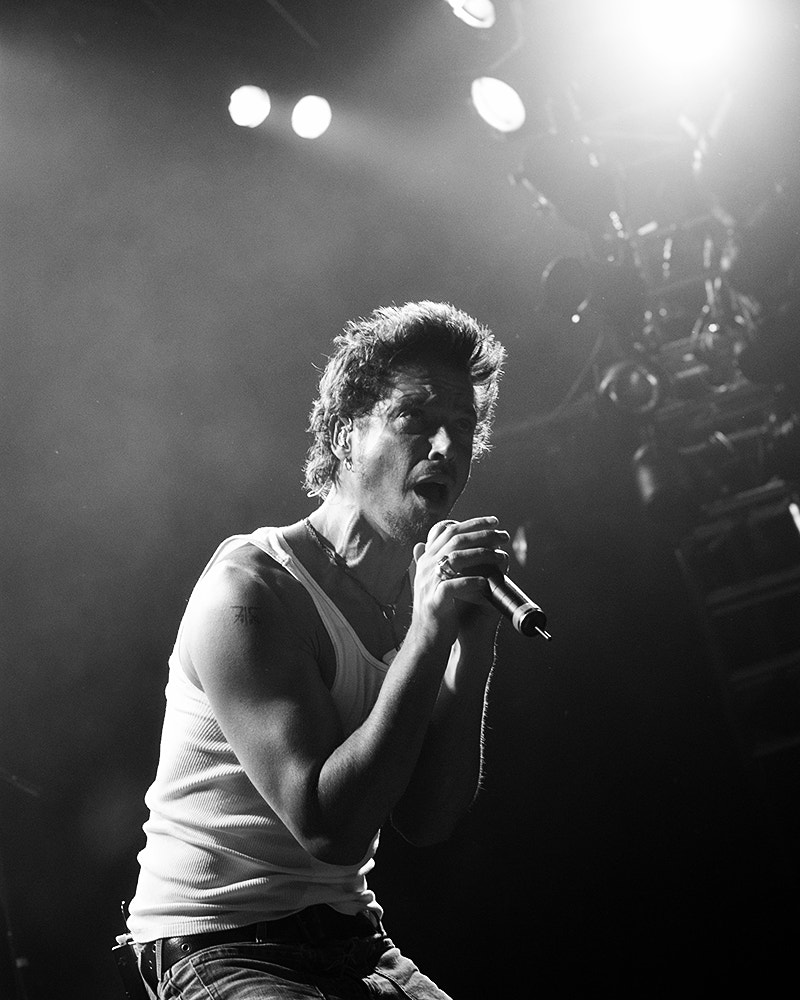

Members and roles
- Chris Cornell — lead vocals; previously known for his work with Soundgarden and as a solo artist; his vocal range and timbre were central to the band's character (vocals).
- Tom Morello — guitar, noted for inventive effects and distinctive playing style.
- Tim Commerford — bass guitar (electric bass), contributing driving low end and backing vocals.
- Brad Wilk — drums (drums), supplying steady, hard-hitting rhythms.
The band's debut, titled Audioslave, appeared in 2002 and introduced their blend of heavy guitar work with melodic vocal lines. Subsequent albums continued to explore variations on that formula: the 2005 release Out of Exile showed a shift toward more direct songwriting and production, and a later record expanded their sonic palette with funk and soul influences.
History and notable events
Audioslave formed after the dissolution of Rage Against the Machine and following Chris Cornell's departure from Soundgarden. The collaboration combined songwriting sensibilities from both camps and quickly produced commercially visible material. One of the band's most widely reported moments occurred on May 6, 2005, when they performed in Cuba. That concert was notable because U.S. regulations related to trade and travel to Cuba meant the performance required special permission from American authorities (American laws).
Audioslave remained active for a number of years but eventually went on hiatus and disbanded after internal and artistic differences. Members returned to other projects: Cornell pursued solo work and other collaborations, while Morello, Commerford and Wilk continued musical activity with separate acts and occasional reunions. The band's work is often cited for successfully melding distinct musical backgrounds into a cohesive mainstream rock sound.
Legacy and distinctions
Audioslave is frequently described as a supergroup because its members were already prominent in other influential bands. Their music is recognized for combining aggressive guitar textures with more melodic and expressive vocals than typically found in some contemporary hard rock acts. The Cuba concert remains a notable example of how cultural diplomacy, legal regulations and popular music intersected in the 2000s, and the group's albums continue to be referenced in discussions of early-21st-century rock.
For further reading and audio samples, consult artist profiles and discographies available through music reference sites and official band materials. Additional context about the members' prior and subsequent bands can illuminate the musical roots that shaped Audioslave's sound.
Related articles
Author
AlegsaOnline.com Audioslave: Overview of the American Rock Supergroup Leandro Alegsa
URL: https://en.alegsaonline.com/art/7253