
Ohlone: Indigenous Peoples of the San Francisco and Central California Coast
Overview of the Ohlone peoples: culture, territory, lifeways, historical changes, shellmounds, and contemporary revitalization of language and heritage.
The Ohlone are a group of Indigenous peoples whose traditional territories lie along the north and central California coast. They are commonly known in historical sources by the Spanish-era name "Costanoan," but today many communities prefer the collective name Ohlone or the names of specific groups. The Ohlone practiced seasonal hunting and gathering, exploited estuarine and marine resources, and lived in villages that ranged from inland oak woodlands to shoreline marshes. For general context on Indigenous peoples of this region see Native American groups.
Image gallery
10 Images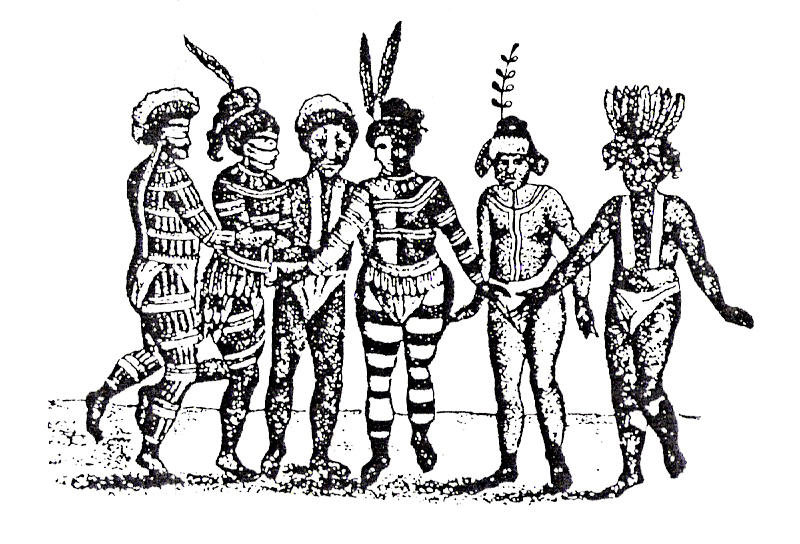




Territory and environment
Their lands stretched across what is now the San Francisco Bay Area and nearby coastal and inland zones. This diverse environment provided acorns, seeds, deer, fish, and abundant shellfish. Many communities made extensive use of tidal flats and estuaries; coastal and bay settlements often harvested mussels, clams, and other shellfish and used reedbeds and driftwood for shelters and craft. For maps and regional studies see north and central California coast.
Subsistence, material culture, and villages
Ohlone lifeways combined hunting of deer and small game with gathering of plant foods and shellfish. Acorns processed into meal were a dietary staple in oak-rich areas. Skilled basketry, stone tools, and controlled use of fire to manage landscapes were important technologies. In coastal villages people also made use of boats and rafts and developed trade networks that moved materials such as shell beads and obsidian. Hunting and game resources are central to traditional practices; see hunting and resource use for broader comparisons.
Shellmounds and social practices
One prominent archaeological and cultural feature of many coastal Ohlone communities is the shellmound: large accumulations of shell, artifact debris, and often human burials. Shellmounds served as refuse deposits, landscape markers, and burial sites, and they are considered culturally and spiritually significant. Over time some of these mounds became prominent features on the landscape; their protection and interpretation are matters of contemporary concern and heritage preservation. For information about coastal archaeology see shellfish and shellmounds.
History and contemporary status
Contact with Spanish colonizers and the mission system beginning in the late 18th century brought profound disruption: missions, disease, removal from traditional lands, and cultural change affected many Ohlone communities. In the 20th and 21st centuries, descendants have pursued cultural revitalization, language reclamation, and protection of sacred sites. Many communities maintain tribal organizations, engage in educational outreach, and collaborate on archaeological and ecological restoration projects.
Notable distinctions
- Ohlone is an umbrella term for multiple related groups speaking varieties of languages historically grouped together; terminology and classification have evolved with community input.
- Shellmounds are both archaeological resources and living cultural sites, leading to contemporary legal and ethical debates about excavation, development, and commemoration.
- Revitalization efforts emphasize language teaching, traditional crafts such as basketry, stewardship of native plants and landscapes, and youth education.
Understanding the Ohlone requires attention to both archaeological records and living community knowledge. Public conversations about land use, preservation, and recognition continue to shape how Ohlone histories and contemporary lifeways are understood and respected.
Related articles
Author
AlegsaOnline.com Ohlone: Indigenous Peoples of the San Francisco and Central California Coast Leandro Alegsa
URL: https://en.alegsaonline.com/art/72132
Sources
- islaiscreek.org : islaiscreek.org/ohlonehistcultfedrecog.html