
Octavio Paz — Mexican poet, essayist, and Nobel Prize laureate
Octavio Paz (1914–1998), Mexican poet, essayist and diplomat, explored cultural identity and modernity; Nobel Prize in Literature (1990). Major works include The Labyrinth of Solitude and Piedra de Sol.
Octavio Paz was a major figure in 20th‑century letters who combined poetry, criticism and diplomacy. A Mexican writer, poet and diplomat, he received the Nobel Prize in Literature in 1990 for a body of work that probes language, identity and the nature of modern experience.
Image gallery
4 Images

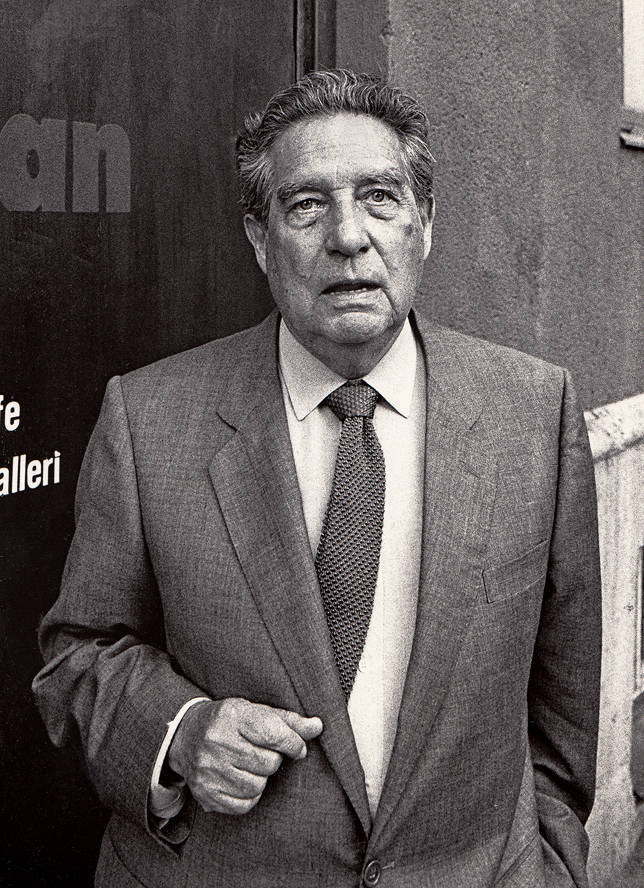

Life and career
Born in Mexico City in 1914, Paz came of age amid political and cultural renewal. He worked as a journalist, published his first poems in the 1930s, and served in diplomatic posts, most notably as ambassador to India. His travels and public service informed his thinking about culture and history. He died of cancer on April 19, 1998, in Mexico City, Mexico.
Style and themes
Paz's writing blends lyrical intensity with philosophical inquiry. He drew on European avant‑garde movements such as surrealism, on Mexican popular and pre‑Hispanic traditions, and on Asian ideas encountered during his time abroad. Central themes include solitude and collective identity, the role of poetry in experience, and the intersection of history and myth.
Major works
- El laberinto de la soledad (The Labyrinth of Solitude) — a landmark essay on Mexican identity and history.
- Piedra de Sol (Sunstone) — a long, celebrated poem noted for its circular form and meditative voice.
- Collections of poems, essays and translations that range from personal lyricism to broad cultural critique.
Legacy
Paz influenced generations of Latin American writers and critics. He founded and edited influential cultural journals, fostered international literary exchange, and remains widely read in translation. His Nobel recognition codified his reputation as a bridge between Mexican traditions and global modernism.
Selected aspects of his career, works and critical reception continue to be studied in literary and cultural scholarship, and his essays and poems remain in print in many languages.
Related articles
Author
AlegsaOnline.com Octavio Paz — Mexican poet, essayist, and Nobel Prize laureate Leandro Alegsa
URL: https://en.alegsaonline.com/art/71892