
The Nutcracker Suite (Tchaikovsky)
A concise overview of Tchaikovsky's Nutcracker Suite, Op. 71a: its structure, origins, notable numbers, history, instrumentation, and cultural impact distinct from the full ballet.
Overview
The Nutcracker Suite, Op. 71a, is an eight‑movement orchestral selection Tchaikovsky assembled from his full ballet score to be performed in concert. Presented before the St. Petersburg Musical Society on March 19, 1892, the suite was an immediate audience favorite and quickly entered the orchestral repertoire. It is important to distinguish the concert suite from the complete stage work: the suite collects highlights useful in concert programming, while the ballet contains many additional numbers and theatrical elements.
Image gallery
8 Images



Contents and characteristics
The suite condenses themes and dances from the ballet into a compact sequence that showcases diverse moods, orchestral colors, and dance rhythms. Tchaikovsky retained several of the ballet’s most memorable pieces and ordered them for listening rather than dramatic continuity. The instrumentation is rich and inventive; notably, the composer made prominent use of the celesta to create the bell‑like timbre associated with the "Dance of the Sugar Plum Fairy." Performances of the suite typically last around twenty minutes, depending on tempos and repeats.
Typical sequence of the eight numbers
- Miniature Overture (sometimes called the "March")
- March
- Dance of the Sugar Plum Fairy
- Russian Dance (Trepak)
- Arabian Dance (Coffee)
- Chinese Dance (Tea)
- Dance of the Mirlitons (Reed Flutes)
- Waltz of the Flowers
These titles reflect the familiar names by which the movements are known in concert and on recordings; individual editions may vary slightly in numbering or naming.
History and reception
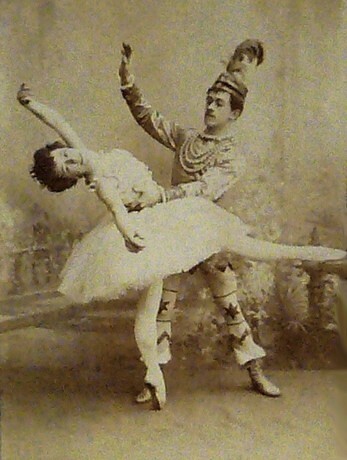
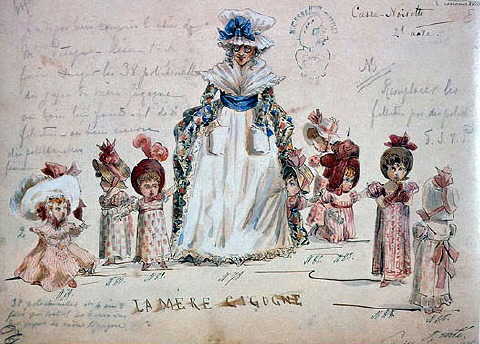
Tchaikovsky extracted the suite for a St. Petersburg concert appearance shortly before the staged premiere of the full ballet later that year. The full ballet was first mounted on December 17, 1892, but initially it did not achieve lasting success as a staged spectacle. The suite, by contrast, enjoyed steady popularity in concert halls. Mid‑20th‑century revivals and new stagings helped rehabilitate the ballet’s reputation: choreographers such as George Balanchine mounted influential productions — Balanchine’s revival in New York played a major role in popularizing the full ballet in the United States — and the suite’s music reached new audiences through film and recordings. The suite also appears in an animated context in Fantasia, and was featured by Disney in that influential motion picture presentation.
Uses, influence, and cultural role
Orchestras program the Nutcracker Suite year‑round, but the full Nutcracker ballet has become a seasonal staple in many countries, especially during the Christmas season. Excerpts from the suite are often used in concert programs, radio broadcasts, film soundtracks, and educational settings to introduce listeners to orchestral color and 19th‑century ballet music. The suite’s dances — from the sprightly trepak to the lyrical waltz — have entered popular culture and remain among Tchaikovsky’s most frequently performed passages.
Distinctions and notable facts
- The suite is published separately as Op. 71a and should not be conflated with the complete ballet score (Op. 71).
- Tchaikovsky’s use of the celesta in the "Dance of the Sugar Plum Fairy" helped popularize that instrument in orchestral music.
- While the suite achieved immediate concert success following its March 1892 presentation, the staged ballet required later revivals — including productions linked to modern choreography — to reach its present prominence; documentation of early stagings and later reconstructions is available from multiple sources, including studies of the original production and subsequent adaptations (the ballet, its première).
Taken together, the Nutcracker Suite functions as both a showcase of Tchaikovsky’s melodic gift and orchestral imagination and as a gateway to the larger ballet. Its memorable tunes and distinctive sonorities have helped secure the piece a lasting place in concert life and popular culture.
Related articles
Author
AlegsaOnline.com The Nutcracker Suite (Tchaikovsky) Leandro Alegsa
URL: https://en.alegsaonline.com/art/71501
Sources
- classicalmusic.about.com : "The Nutcracker Profile: The History of The Nutcracker"