
Nozzle: Function, Design, Uses, and Common Types
A nozzle is a device that directs and accelerates a fluid flow by shaping a passage. This article explains how nozzles work, their main parts, historical development, common types and practical applications.
Overview
A nozzle is a mechanical device that alters the velocity, pressure and direction of a flowing fluid. Nozzles are used to convert pressure energy into kinetic energy and to control the shape of a jet. They appear in many systems that handle compressible gases (gas) or incompressible liquids (liquid), from small spray heads to large rocket engines.
Image gallery
5 Images
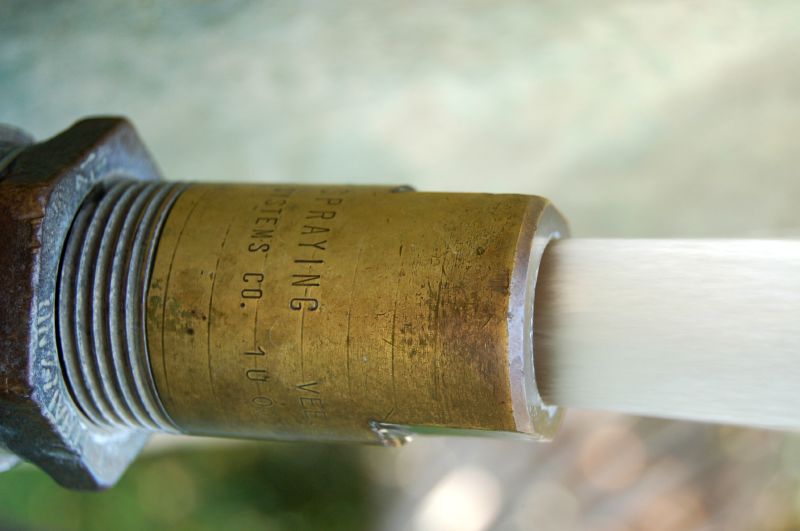


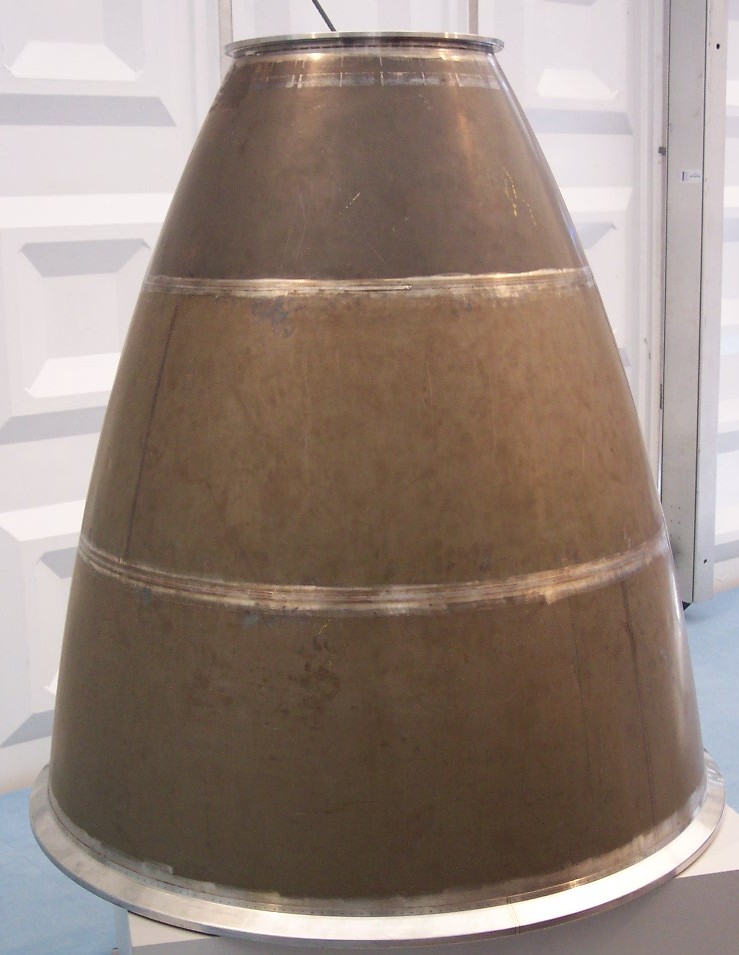
How nozzles work
Nozzles change flow speed by narrowing or widening the passage through which the fluid moves. In a converging nozzle the cross-sectional area decreases, accelerating subsonic flow. A converging-diverging (de Laval) nozzle has a throat and an expanding section to accelerate gases to supersonic speeds. Design balances pressure, temperature, density and boundary-layer effects to achieve the desired exit conditions.
Key parts and design considerations
- Inlet and outlet: where fluid enters and leaves the nozzle.
- Throat: the narrowest cross-section in many designs.
- Nozzle contour: the profile that controls expansion and minimizes energy losses.
- Materials and cooling: choices depend on temperature, erosion and chemical exposure.
History and development
Nozzle concepts have long roots in water and steam engineering. The de Laval nozzle, developed in the late 19th century for steam turbines, became central to modern rocketry and jet propulsion. Since then, advances in fluid dynamics, computational design and materials have expanded nozzle performance for aviation, industry and scientific instruments.
Uses and notable types
Nozzles serve in propulsion (rocket and jet engines), fluid delivery (sprays, injectors and hoses), industrial cutting and cleaning, and process control. Common categories include converging, converging-diverging, spray and atomizing nozzles, and impulse and reaction turbine nozzles. Each type optimizes flow behavior for particular goals such as thrust, spray pattern, or fuel mixing.
Distinctions and practical considerations
Selection of a nozzle depends on operating regime (subsonic vs. supersonic), desired exit velocity, pressure ratios, wear resistance and manufacturability. Real-world performance also depends on installation effects, upstream piping, and maintenance. Understanding these trade-offs is essential for designers who aim to maximize efficiency, reliability and safety.
Related articles
Author
AlegsaOnline.com Nozzle: Function, Design, Uses, and Common Types Leandro Alegsa
URL: https://en.alegsaonline.com/art/71316