
Ocean thermal energy conversion (OTEC): principles, systems, and applications
OTEC converts the ocean's surface-to-depth temperature difference into useful power, desalinated water and cooling. It includes closed, open and hybrid cycles and is suited to tropical, deep-water locations.
Overview
Ocean thermal energy conversion (OTEC) is a method for producing usable energy by exploiting the small but persistent temperature difference between warm surface seawater and cold deep seawater. Solar heating makes surface waters in tropical seas relatively warm while deep ocean layers remain much cooler. A heat engine uses that gradient to generate power. OTEC is attractive because it relies on a renewable, continuous heat source and can co-produce useful by-products such as desalinated water and chilled seawater for air conditioning or aquaculture.
Image gallery
10 Images





How OTEC works and main system types
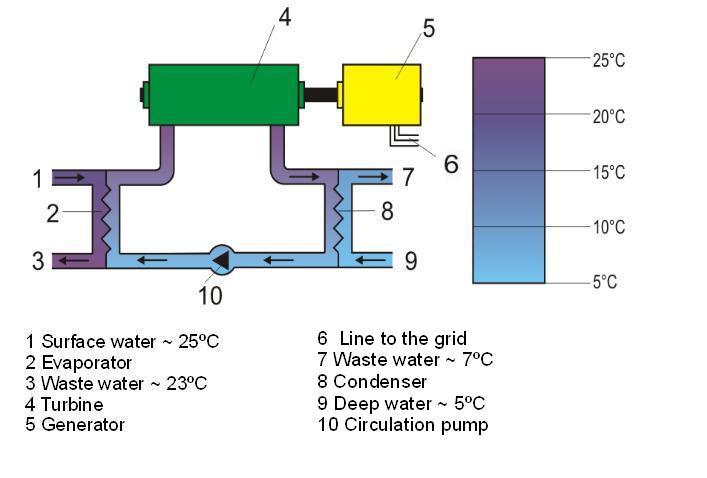
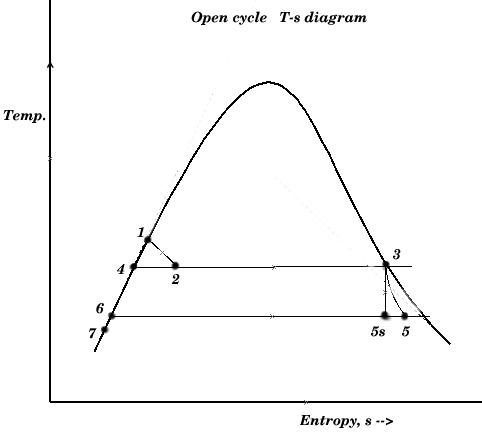
OTEC plants come in three basic types: closed-cycle, open-cycle and hybrid. In closed-cycle systems a working fluid with a low boiling point (commonly ammonia or a refrigerant) is vaporized by warm surface water, the vapor drives a turbine or expander, and then is condensed by cold deep water before recirculation. Open-cycle systems flash warm seawater into low-pressure chambers to produce steam that drives a turbine; the condensed steam is distilled fresh water. Hybrid systems combine elements of both to optimize power and freshwater output.
- Key components: warm-water intake, cold-water pipe (often very long), heat exchangers, turbine/generator or expander, pumps and discharge structures.
- Performance: thermal gradients are typically modest, so OTEC operates at low thermodynamic efficiency and requires large flow rates and robust engineering to deliver practical power levels.
History and development
The concept of using the ocean’s thermal gradient dates back to early experimental work in the late 19th and early 20th centuries. The first working demonstration that produced electricity was built in 1930 in Cuba and delivered a modest output. Later experimental plants have increased scale and tested platform designs, floating units and shore-based installations. Research continues into materials, biofouling resistance, and economically scalable designs for multi-megawatt systems. For background on the ocean resource and the basic idea see energy resource overview and general summaries of the ocean environment. The energy input ultimately comes from the sun, and the conversion relies on a low-temperature heat engine to extract work.
Applications and benefits
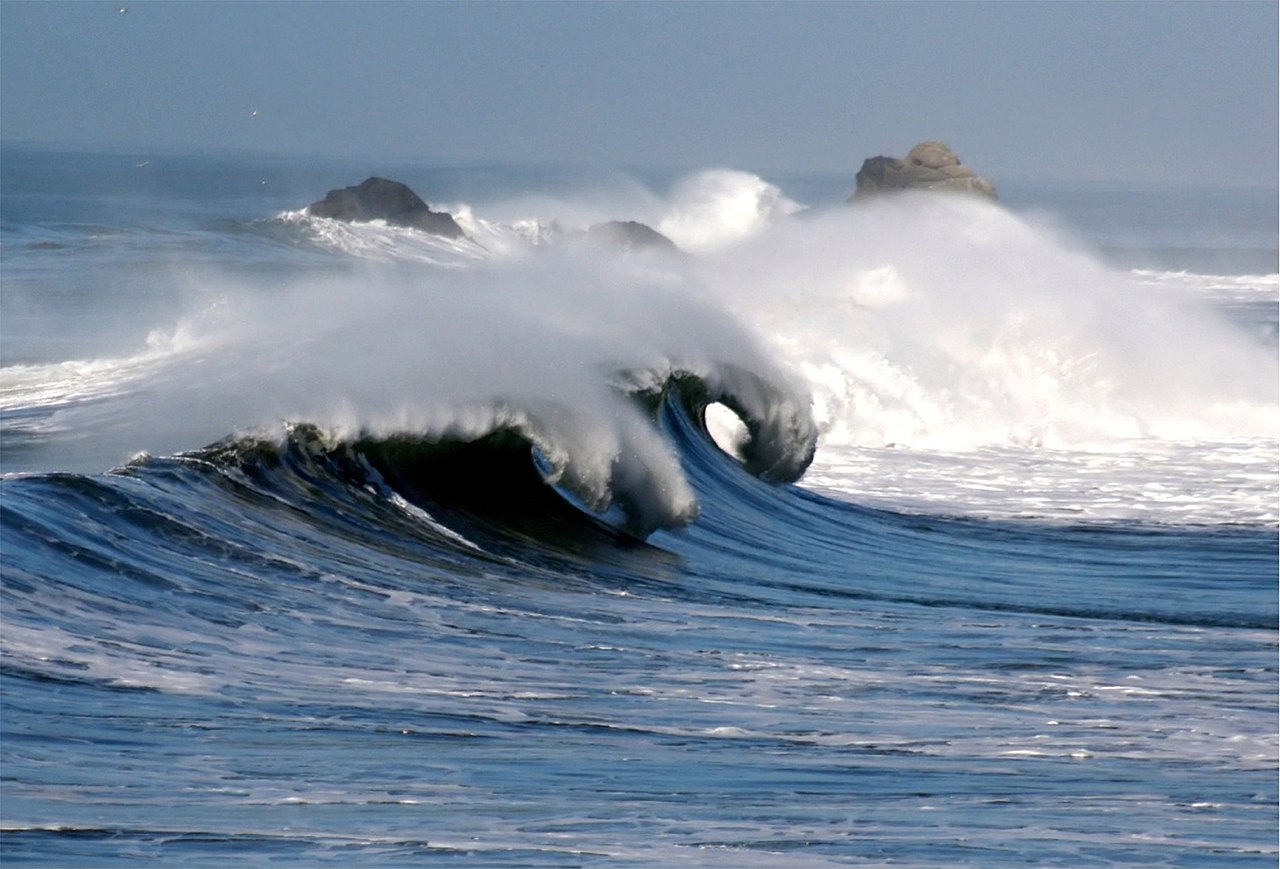
OTEC can provide continuous baseload electricity in suitable tropical locations, and it has several useful co-products. Cold deep seawater delivered to the surface can be used for refrigeration, industrial cooling, or to support marine aquaculture. Open-cycle or hybrid OTEC can produce desalinated freshwater as part of the condensation process, which is valuable for small islands and remote coastal communities. Some assessments suggest the ocean thermal resource is large relative to other marine energy options such as wave power, though practical deployment is limited by engineering and cost.
Challenges, impacts and siting
Major technical challenges include constructing and maintaining very large cold-water pipes, resisting corrosion and biofouling, and ensuring platforms survive storms and waves. Environmental issues require careful study: upwelling cold, nutrient-rich water can alter local ecosystems where discharged water mixes, and intake/discharge flows must be managed to avoid harm to marine life. Economically, the modest thermodynamic efficiency and high capital cost per megawatt have constrained wide commercial adoption to date. Nevertheless, specialized uses and integrated systems that combine power, desalination and aquaculture improve project feasibility.
Notable facts and outlook
Early demonstrations include the 1930 Cuban plant and later U.S. test facilities. Interest persists because OTEC offers a continuous renewable resource for tropical regions with deep offshore slopes. Pilot and commercial prospects focus on island nations, remote coastal plants, and floating platforms. Readers can consult further sources on resource assessments and historical demonstrations through technical links such as an historical reference to early demonstrations and additional educational materials here and here.
Questions and answers
Q: What is ocean thermal energy conversion (OTEC)?
A: It is a way of getting useful energy from the world's oceans by using the temperature difference between warm surface water and cold deep water to generate power.
Q: What causes the temperature difference in the ocean?
A: The sun shines on the oceans of the world and heats up the water near the surface, while the water at around 1,000 meters deep can be much colder.
Q: How is the temperature difference harnessed to generate power?
A: The warm water is brought to the surface along with the cold water using a pipe, and the heat engine uses the temperature difference to generate power.
Q: Is the temperature difference between warm surface water and cold deep water significant?
A: The temperature difference may only be around 15 °C, but it can still be used to generate power through an OTEC machine.
Q: What is the potential of OTEC compared to other ocean energy sources?
A: OTEC has been estimated to give amounts of energy that are 10 to 100 times greater than wave power, another ocean energy source.
Q: What are some other benefits of OTEC besides energy generation?
A: OTEC can produce quantities of cold water that can be used for refrigeration and to help crops and fish grow. It can also produce large amounts of salt-free water which can be used as drinking water on mid-ocean islands.
Q: When was the first OTEC machine built and how much electricity did it generate?
A: The first OTEC machine was built in Cuba in 1930 and made 22 kW of electricity.
Related articles
Author
AlegsaOnline.com Ocean thermal energy conversion (OTEC): principles, systems, and applications Leandro Alegsa
URL: https://en.alegsaonline.com/art/71847