
Northern Rhodesia (British protectorate and predecessor of Zambia)
Northern Rhodesia was a British-administered territory in south-central Africa (1911–1964). Centered on the Copperbelt and Lusaka, it became independent as Zambia in 1964 and was long linked to Southern Rhodesia.
Overview
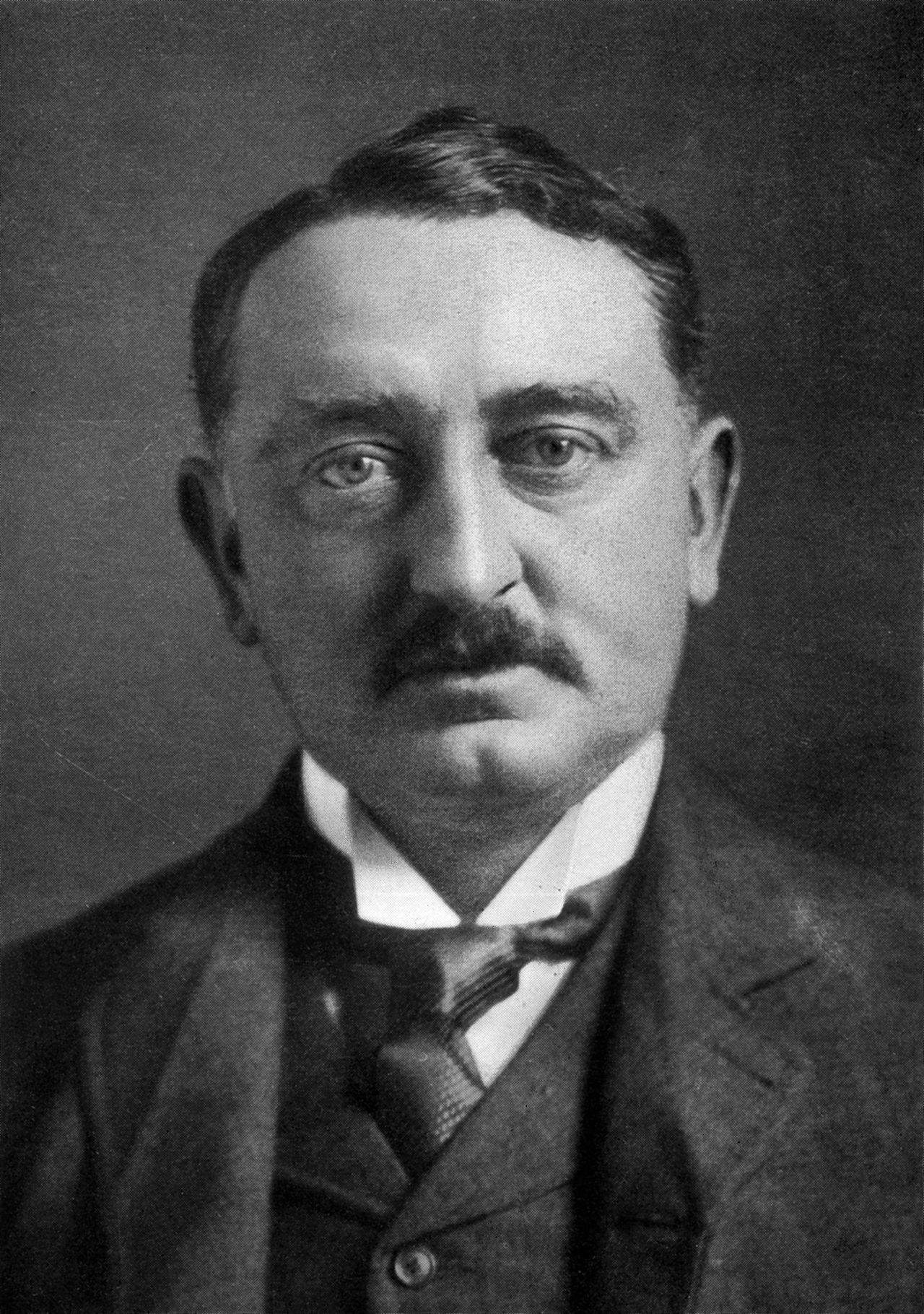
Northern Rhodesia was a political territory in south-central Africa created in the early 20th century under British influence. It existed as a distinct administrative unit from 1911 until independence in 1964, when it became the Republic of Zambia. The name reflected the influence of Cecil Rhodes and the period’s colonial geography; in common usage the label "Rhodesia" once covered what are now two separate countries.
Image gallery
5 Images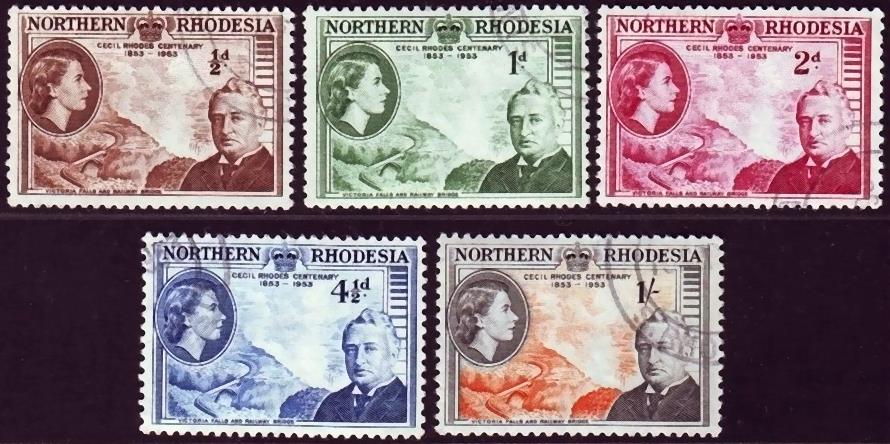


Administration and boundaries
Initially administered by private chartered interests and later by the British Colonial Office, Northern Rhodesia comprised the territory north of the Zambezi River that today largely corresponds to the modern state of Zambia. Its borders and internal administration changed over time to accommodate local kingdoms, mining settlements and transport corridors. In maps and descriptions of the period the term "Rhodesia" had a broader geographic sense (see historical usage), covering both northern and southern portions of the region.
Economy and society
The economy of Northern Rhodesia was dominated by mineral extraction, most notably copper from the mineral-rich Copperbelt area. Mining towns such as Ndola and Kitwe grew rapidly, drawing migrant labour from rural areas. Agricultural production, traditional economies and a diversity of Bantu-speaking communities also shaped social life. The capital city, Lusaka, developed as an administrative and commercial centre.
Federation and path to independence
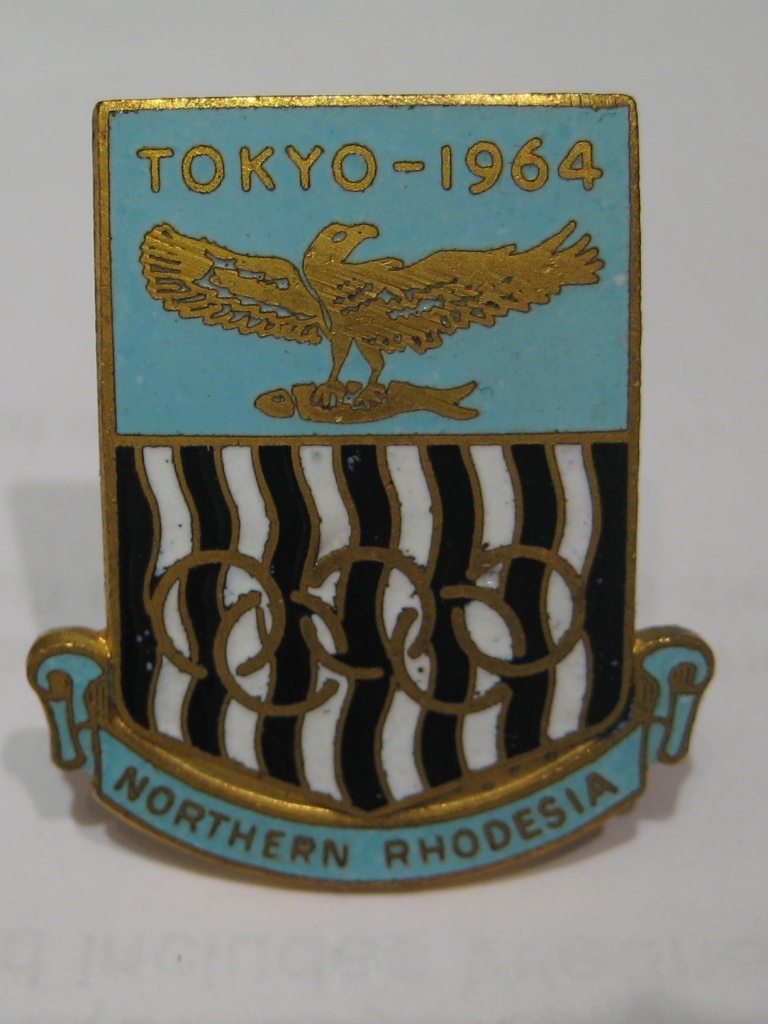
Between 1953 and 1963 Northern Rhodesia was a member of the Federation of Rhodesia and Nyasaland, a political unit that grouped it with Southern Rhodesia and Nyasaland (modern Malawi). Political change, nationalist movements and shifts in imperial policy led to the dissolution of the federation and a negotiated transition to majority rule. On independence day in 1964 Northern Rhodesia was reconstituted as the independent state of Zambia.
Legacy, names and distinctions
The historic term "Rhodesia" originally encompassed both northern and southern territories; after 1964 it became associated primarily with Southern Rhodesia. Southern Rhodesia later adopted the shortened name in different political contexts (Southern Rhodesia), while the northern territory adopted a new national identity as Zambia. The southern neighbour is today the independent country of Zimbabwe.
Key points
- Established as a colonial territory in 1911 and governed under British authority.
- Economy centred on copper mining and related industry.
- Member of the Federation of Rhodesia and Nyasaland (1953–1963).
- Achieved independence as Zambia in 1964, while the usage of "Rhodesia" narrowed to the south (Southern Rhodesia) and later to what became Zimbabwe.


See also
- History of Zambia
Related articles
Author
AlegsaOnline.com Northern Rhodesia (British protectorate and predecessor of Zambia) Leandro Alegsa
URL: https://en.alegsaonline.com/art/71055
Sources
- m-w.com : "Merriam-Webster online dictionary"