
North Central Province, Sri Lanka: geography, history, economy and culture
An overview of Sri Lanka's North Central Province, its geography, ancient capitals, irrigation heritage, economy, biodiversity and administrative features.
Overview
The North Central Province of Sri Lanka occupies a large portion of the island's dry zone and is one of the country's least densely populated provinces. It is commonly known by its local names, for example Uturumeda Palata in Sinhala and Wada Maththiya Maakaanam in Tamil. Anuradhapura serves as the provincial capital, and the neighbouring district centre of Polonnaruwa is also a notable urban and historical hub.
Image gallery
2 Images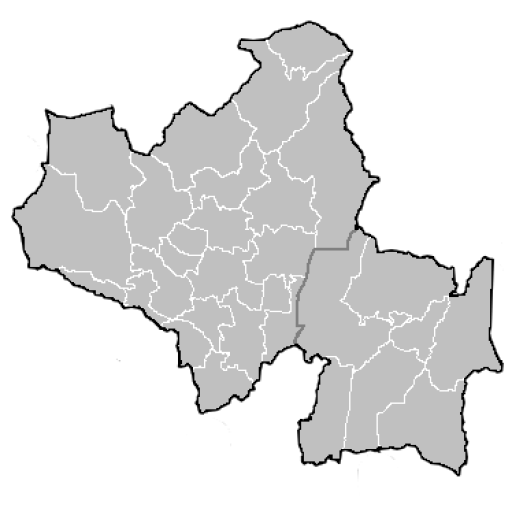

Geography and climate
The province is characterized by flat to gently undulating terrain, a seasonal tropical dry climate and a landscape dominated by ancient irrigation tanks, agricultural fields and dry evergreen forest patches. Rainfall is concentrated in distinct seasons, and water management has historically been essential for cultivation and settlement.
Historical significance
North Central Province contains two of Sri Lanka's most important ancient capitals, Anuradhapura and Polonnaruwa, which were centers of statecraft, religion and hydraulic engineering in successive eras. The ruins and restored monuments in these cities reflect long traditions of Buddhist temple-building, stone carving and large-scale irrigation works that supported dense populations in the past.
Economy and land use
Agriculture remains the main economic activity, with rice cultivation supported by reservoirs and seasonal irrigation. The region has fewer factories and urban services than provinces closer to the commercial capital, which contributes to lower industrialization and employment diversity. Tourism linked to the ancient cities and wildlife parks is an important income source, though economic development is uneven across districts.
Nature, parks and notable sites
- Major protected areas and parks preserve dry-zone wildlife, including elephant populations that attract seasonal visitors.
- Key cultural and archaeological sites include the stupas, monasteries and palace ruins of Anuradhapura and Polonnaruwa.
- The traditional tank system and ancient canals are both heritage features and functioning irrigation infrastructure.
Administration, people and conservation
The province is divided administratively into districts and smaller local units; communities are often rural and engaged in farming. Conservation challenges include balancing agricultural needs, wildlife corridors and water resources. Ongoing restoration, sustainable tourism and irrigation maintenance are central to preserving the province's cultural landscape and improving local livelihoods.
Questions and answers
Q: What is the North Central Province of Sri Lanka?
A: The North Central Province of Sri Lanka is a province with the capital city of Anuradhapura.
Q: What is the population density of the North Central Province?
A: The North Central Province is not densely populated.
Q: What is the economy of the North Central Province like?
A: The North Central Province has a weak economy.
Q: What is the official language of the North Central Province?
A: The official languages of the North Central Province are Sinhala and Tamil.
Q: What is the meaning of the name "Uturumeda Palata"?
A: "Uturumeda Palata" is the Sinhala name for the North Central Province, which means "province of the North Central region."
Q: What is the meaning of the name "Wada Maththiya Maakaanam"?
A: "Wada Maththiya Maakaanam" is the Tamil name for the North Central Province, which means "province of the North Central area."
Q: What are some notable places to visit in the North Central Province?
A: The North Central Province is home to historical and cultural sites such as the ancient city of Anuradhapura, the Mihintale temple, and the Ritigala Forest Monastery.
Related articles
Author
AlegsaOnline.com North Central Province, Sri Lanka: geography, history, economy and culture Leandro Alegsa
URL: https://en.alegsaonline.com/art/70849
Sources
- priu.gov.lk : :.News Line : North, East record highest GDP growth rate