
Norwegian Heavy Water Sabotage (Vemork operations, WWII)
Allied sabotage against Nazi Germany’s heavy water production at Vemork, Norway (1942–1944). Operations disrupted German nuclear research and involved Norwegian commandos, British planners, and controversial follow-ups.
The Norwegian heavy water sabotage refers to a sequence of Allied operations during World War II aimed at preventing Nazi Germany from acquiring quantities of heavy water produced at the Vemork hydroelectric plant in Telemark, Norway. Heavy water (deuterium oxide) contains the hydrogen isotope deuterium and can act as a neutron moderator in certain types of nuclear reactors. Because it was a material of potential value to atomic research, the Vemork facility became a strategic target after Norway’s occupation by German forces.
Image gallery
8 Images
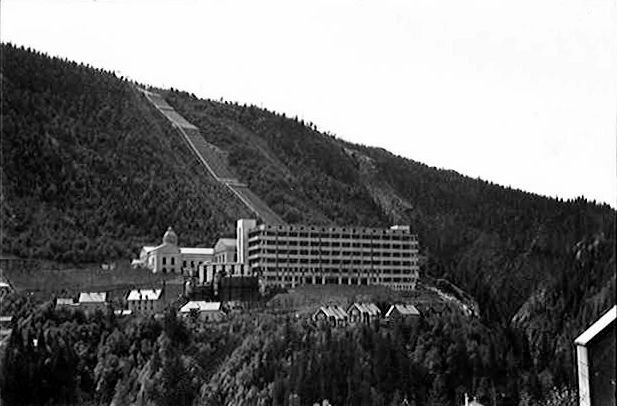


Background and technical context
Vemork, built by Norsk Hydro near Rjukan, was one of the few industrial-scale producers of heavy water at the time. Production relied on electrochemical processes tied to the plant’s power generation. Although the exact role heavy water would play in any wartime bomb program was uncertain, Allied intelligence judged that denying Germany access to this material would hinder experimental reactor development. The Norwegian resistance and British special operations coordinated intelligence and planning to attack the site and associated transport.
Key operations and timeline
The campaign unfolded in several distinct missions. Early reconnaissance and insertion by Norwegian operatives prepared the ground for direct action. The most frequently cited actions include:
- Operation Grouse — a reconnaissance and staging mission by Norwegian parachute teams to prepare the area and guide follow-up forces (Allied missions).
- Operation Freshman — an early British airborne attempt using gliders that ended in disaster after crashes and capture (World War II context).
- Operation Gunnerside — a successful Norwegian-led sabotage raid that infiltrated the plant and destroyed heavy water production equipment in 1943 (Vemork power station).
After the sabotage at the plant, further Allied bombing raids and efforts to intercept shipments sought to prevent remaining stockpiles from reaching Germany. One controversial action destroyed a ferry transporting heavy water and other material; the event remains a sensitive episode in the campaign’s history (heavy water). Together, these measures ended industrial heavy water production at Vemork and made large-scale transfers difficult (deuterium).
Participants and methods
The raids combined Norwegian resistance fighters, local guides, and British planners from special forces and intelligence services. Tactics emphasized stealth and precision: operatives moved on skis and under cover, used demolition charges to disable electrochemical cells, and relied on local knowledge to evade German patrols. The mix of conventional bombing and covert raids demonstrates the varied Allied approach to denying resources to Germany’s nuclear research (German nuclear program).
Significance and legacy
Historians generally conclude the sabotage delayed or complicated German efforts to develop a functional reactor or extract plutonium, although Germany’s own program faced multiple scientific and logistical limitations. The operations have been celebrated in Norway as examples of resistance and Allied cooperation, and they have inspired books, films, and museum exhibits at the original site near Rjukan (Norwegian commandos). The campaign is also studied as a case of targeted industrial sabotage within wider wartime strategy (Royal Air Force operation).
Notable facts and distinctions
- The effort combined conventional and unconventional warfare and highlighted the role of local resistance networks (Operation names).
- Casualties and moral questions about attacks on transport remain a topic of historical debate, balanced against the strategic rationale of denying materials to an occupier (historical analysis).
Overall, the Norwegian heavy water sabotage is remembered as a strategically significant, technically informed campaign that brought together local knowledge, special operations skills, and Allied intelligence to impede an Axis scientific effort during a critical phase of World War II.
Questions and answers
Q: What was the target of the Allied missions in World War II?
A: The target of the missions was the 60 megawatt Vemork power station.
Q: What did the Vemork power station produce?
A: The Vemork power station produced heavy water, which is based on a hydrogen isotope called deuterium.
Q: Why did Germany need heavy water?
A: Germany needed heavy water to understand and help make atomic bombs.
Q: When did the attacks on the Vemork power station start?
A: The attacks started in February 1942 by Norwegian Commandos and Allied bombers.
Q: What were the missions code named?
A: The missions were code named Grouse, Freshman, and Gunnerside.
Q: Were the missions successful?
A: Yes, the missions were successful and the Vemork power plant was no longer working by 1943.
Q: What was the purpose of the Norwegian heavy water sabotage?
A: The purpose of the Norwegian heavy water sabotage was to stop Germany from making heavy water that was needed to make atomic bombs.
Related articles
Author
AlegsaOnline.com Norwegian Heavy Water Sabotage (Vemork operations, WWII) Leandro Alegsa
URL: https://en.alegsaonline.com/art/71119
Sources
- books.google.com : Assault In Norway: Sabotaging the Nazi Nuclear Program
- books.google.com : Operation Freshman: The Hunt for Hitler's Heavy Water
- gov.uk : "Sinking of DF Hydro 70th anniversary events in Norway"