
Nordsachsen (rural district)
Nordsachsen is a rural district in northern Saxony, Germany, formed in 2008 from Delitzsch and Torgau-Oschatz. It combines small towns, agricultural land, riverside scenery and links to the Leipzig region.
Nordsachsen is a rural district in the northern part of the Free State of Saxony within Germany. Created in 2008 through the administrative merger of the former districts Delitzsch and Torgau-Oschatz, the district covers a largely rural territory of towns, villages and open countryside. It functions as a local government area responsible for regional planning, infrastructure and public services for communities that are smaller than city districts.
Image gallery
2 Images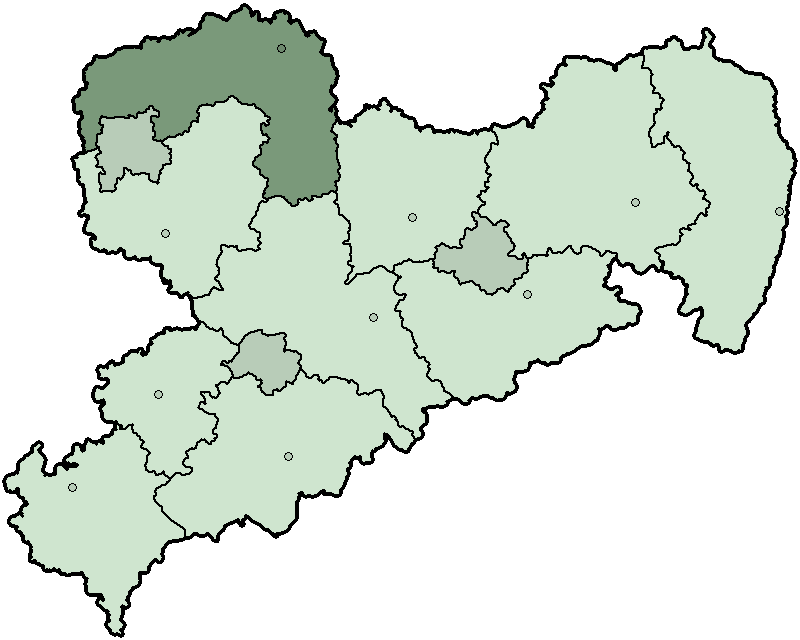

Geography and administration
The landscape of Nordsachsen is a mix of agricultural plains, river corridors and patches of woodland. The district includes a variety of small and medium-sized municipalities arranged around several local centres. Administration is organised at the district level (Landkreis), which coordinates schools, roads, waste management and other public duties across its member towns and municipalities.
Economy, transport and services
Economic activity in the district tends to be dominated by agriculture, local manufacturing and services that support rural communities. Due to its proximity to larger cities in the Leipzig region, many residents commute for work and education, and the district is linked by regional roads and rail connections that serve daily passengers and freight. Local authorities also promote tourism, small business and sustainable land use.
Culture, nature and attractions
Nordsachsen contains historic market towns, churches and rural heritage sites that reflect centuries of regional history. Natural amenities such as river landscapes and countryside paths provide opportunities for outdoor recreation, cycling and nature observation. Cultural events often celebrate local traditions, crafts and agricultural cycles.
History and formation
The district's present boundaries date from a 2008 reform that combined the two predecessor districts into a single administrative unit. That reorganisation aimed to streamline public administration and create larger districts better able to manage regional tasks while preserving local identities and municipal structures.
Notable distinctions:
- A predominantly rural character while being close to an urban region (Leipzig area).
- Formed by the merger of Delitzsch and Torgau-Oschatz in 2008.
- Mix of agricultural economy, regional commuting patterns and cultural heritage sites.
For more information about the state and national context, see official resources for Saxony and Germany.
Related articles
Author
AlegsaOnline.com Nordsachsen (rural district) Leandro Alegsa
URL: https://en.alegsaonline.com/art/70686