
Nokia (town), Pirkanmaa, Finland
Nokia is a Finnish town in Pirkanmaa, known for its industrial history and as the original home of the Nokia company. It lies near Tampere and has a mixed industrial and residential character.
Overview
Nokia is a town in the Pirkanmaa region of southwestern Finland. It lies to the west of the regional centre of Tampere and is part of the broader Tampere sub-region. The community gained international recognition because the multinational corporation Nokia was founded there; the company took its name from the locality. The town is in the province of Pirkanmaa and the country of Finland. Population has been in the tens of thousands in recent decades, with an official figure of about 32,700 recorded in early 2014.
Image gallery
10 Images


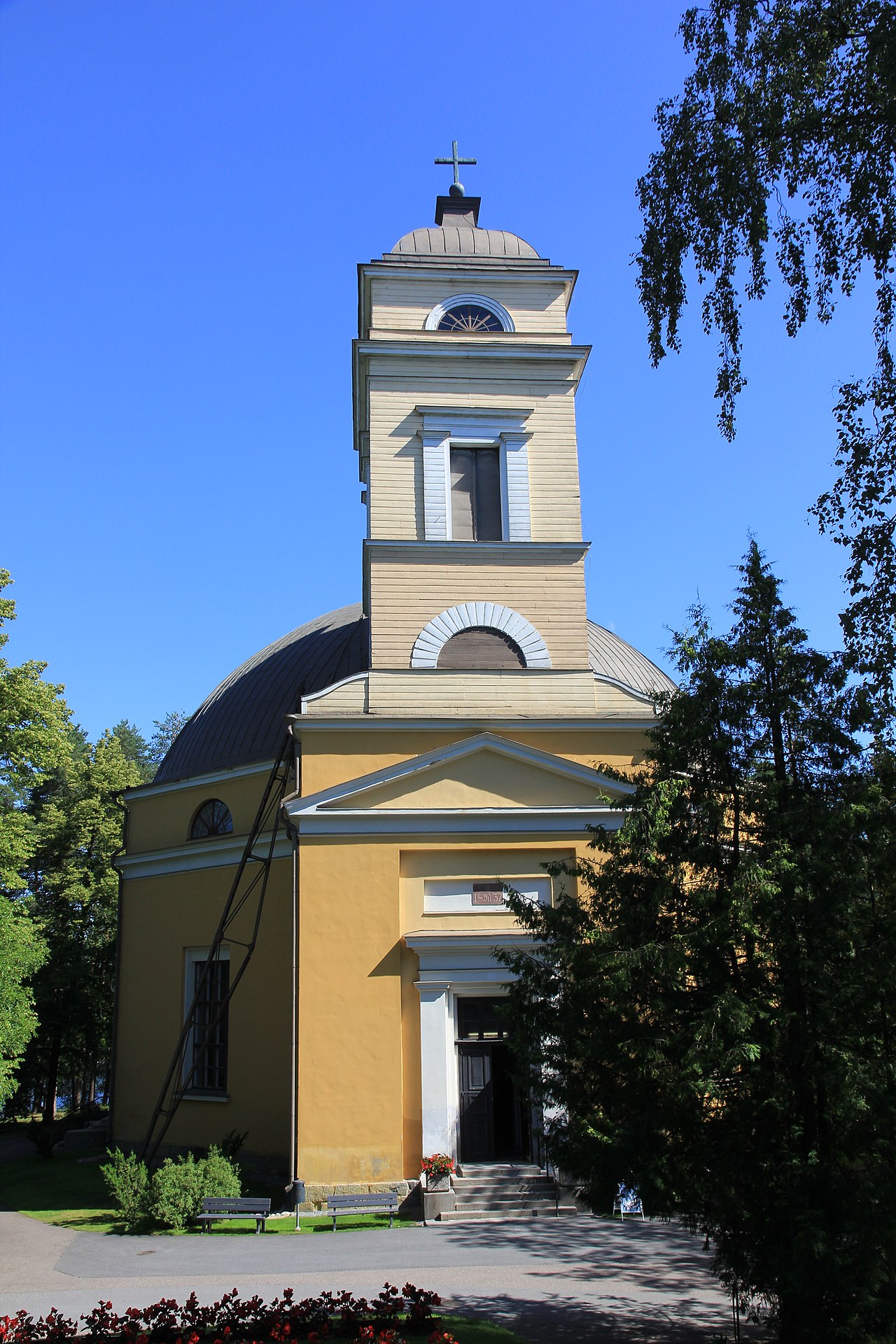


Geography and neighbours
Nokia occupies a landscape of lakes, rivers and forested terrain typical of southern Finland. The Nokianvirta river flows through the area and has shaped local land use and industry. Neighbouring municipalities include:
History and development
The settlement that became Nokia grew in the 19th century around timber and paper industries established near waterways. Entrepreneurs used the river and local forests to power mills and transport products. Over time the industrial base diversified; small plants and engineering firms developed alongside traditional manufacturing. The town's name and identity became closely linked to the businesses founded there, which later expanded beyond local markets.
Economy and industry
Nokia has a mixed economy with manufacturing, engineering and service sectors. Historically the best-known enterprise originating in the town has been the multinational Nokia, associated with telecommunication equipment and consumer electronics. The company produced a range of information technology products and at one point operated a large mobile handset business; that mobile phone division was announced for sale to Microsoft in 2013 and later changed form through corporate restructuring. Beyond that headline-making story, the local economy includes smaller industrial firms, suppliers, and businesses serving the wider Tampere area. Some companies once associated with the town have evolved into separate brands known across Finland and internationally.
Culture, transport and daily life
As a regional town, Nokia combines industrial districts with residential neighbourhoods, green spaces and waterways. Public transport and roads link residents to Tampere for work, education and services. Local cultural life features community events, sports clubs and recreational activities tied to lakes and forests. The setting attracts both commuters and people who work in town industries or run small businesses.
Notable facts and distinctions
Nokia’s most visible claim to fame is lending its name to a global technology brand, which helped put the town on the map. The relationship between place and company shaped local identity and economic history, from paper mills to modern electronics and services. The town remains an example of how small industrial centres in northern Europe adapted from primary industries to more diversified, technology- and service-oriented economies, while retaining ties to their natural environment.
Mobile phone history connected to the town is often used to illustrate broader shifts in global manufacturing and corporate change.
Related articles
Author
AlegsaOnline.com Nokia (town), Pirkanmaa, Finland Leandro Alegsa
URL: https://en.alegsaonline.com/art/70571