
Sastamala — city and municipality in Pirkanmaa, Finland
Sastamala is a city and municipality in Pirkanmaa, Finland, known for its rural landscape, cultural festivals and a history of municipal consolidation. It had about 25,500 residents in 2014.
Overview
Sastamala is a city and municipality in the Pirkanmaa region of Finland. It functions as a local service and cultural centre combining small urban areas with extensive rural surroundings. The municipality reported a population of roughly 25,500 people in January 2014. Its administrative heart developed around the former town of Vammala, which today forms the main built-up area.
Image gallery
3 Images

Geography and neighbouring municipalities
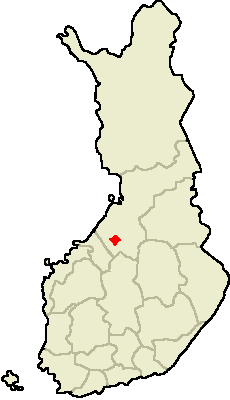
The landscape around Sastamala is typically Finnish: a mosaic of forests, lakes and agricultural land, with dispersed villages and small urban centres. Neighbouring municipalities include Pirkanmaa region partners and communities in adjacent regions. Immediate neighbours are Ikaalinen, Kankaanpää, Kokemäki, Lavia, Nokia and Vesilahti, and it is also bordered by Huittinen, Hämeenkyrö, Punkalaidun, Ulvila and Urjala.
History and development
The present municipality was created through municipal mergers in the late 2000s, combining several formerly independent communities into a larger administrative unit. This consolidation reflected a national trend in Finland toward merging smaller municipalities for administrative efficiency and improved public services.
Culture and economy
Sastamala balances primary production, small-scale manufacturing and service industries. It has gained national recognition for cultural activity: the town hosts literary and music events that attract visitors from across the country, and local museums and historic buildings preserve regional heritage. Tourism related to festivals and outdoor recreation contributes to the local economy.
Transport and significance
The city is accessible by regional roads and is within driving distance of larger urban centres in Pirkanmaa. Its mixed character — combining rural landscapes with cultural institutions and public services — makes Sastamala an example of contemporary Finnish municipal life where community identity and regional cooperation coexist.
Notable facts
- Population: about 25,500 (January 2014).
- Formed by merger of smaller municipalities in the 2000s.
- Hosts cultural festivals and emphasizes heritage tourism and rural services.
Related articles
Author
AlegsaOnline.com Sastamala — city and municipality in Pirkanmaa, Finland Leandro Alegsa
URL: https://en.alegsaonline.com/art/87428