
Nitrite (NO2−): properties, occurrence, uses and safety
Nitrite is the inorganic anion NO2− with nitrogen in oxidation state +3. This article summarizes its structure, chemistry, common salts, industrial and food uses, environmental role, analytical detection and safety considerations.
Overview: The nitrite ion, commonly written NO2−, is the conjugate base of nitrous acid and contains nitrogen in the +3 oxidation state. In chemistry and industry the word nitrite also denotes salts and esters that contain this ion. Nitrite is an intermediate oxidation state between elemental nitrogen and nitrate and is central in many redox and biological pathways.
Image gallery
3 Images
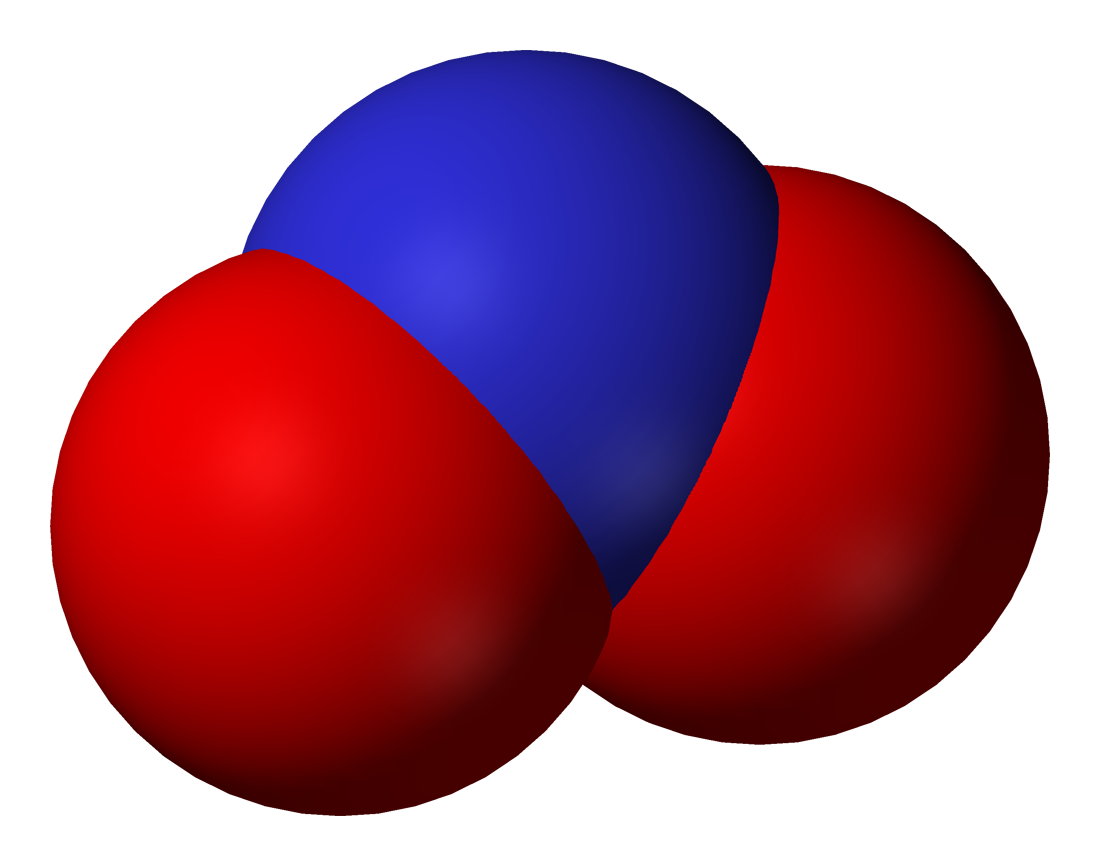

Chemical structure and bonding
The nitrite ion has a bent geometry and is best described by resonance structures that delocalize negative charge over the two oxygen atoms. This gives the N–O bonds partial double-bond character and contributes to its relative stability as a discrete anion. The electronic structure enables nitrite to undergo both electrophilic and nucleophilic reactions depending on the environment.
Chemical behavior and redox properties
Nitrite shows dual redox behavior: it can act as an oxidant under some conditions and as a reducing agent under others. As an oxidizer it may accept electrons and be reduced to various nitrogen species; as a reductant it can be oxidized to nitrate or participate in one-electron or two-electron transfers. These redox pathways are important in industrial chemistry and in natural nitrogen cycling.
Occurrence, formation and common salts
Nitrite occurs transiently in soils, sediments and aquatic environments where microbial processes convert ammonia and organic nitrogen to nitrite and then to other forms. It is produced industrially by controlled oxidation or by reduction of nitrate under defined conditions. Representative inorganic nitrites include sodium nitrite and potassium nitrite; many nitrite salts are water soluble and form colorless crystals.
Uses
- Food industry: nitrite salts are used in curing and preservation of certain meats to inhibit bacterial growth and to develop characteristic color and flavor.
- Chemical synthesis: nitrite is used in organic reactions such as diazotization and in the preparation of nitroso and related functional groups.
- Industrial applications: formulations that contain nitrite serve as corrosion inhibitors, chemical intermediates and components in specialty processes.
Environmental and health considerations
Nitrite is more reactive and often more toxic to aquatic organisms than nitrate. In humans and animals, elevated nitrite intake can convert hemoglobin to methemoglobin, impairing oxygen transport, and under certain conditions nitrite can react with organic amines to form nitrosamines, some of which are carcinogenic in laboratory studies. For these reasons nitrite levels in drinking water and foods are monitored and regulated in many jurisdictions.
Analysis, regulation and safety handling
Analytical methods for nitrite include colorimetric assays, ion chromatography and electrochemical techniques; choice of method depends on matrix and required detection limits. Handling of concentrated nitrite salts and solutions requires care: they are oxidizing in concentrated form and can react with reducing agents and organic material. Industrial and laboratory safety guidance covers storage, personal protective equipment and spill response. For background on oxidizing and reducing behavior consult general sources on oxidizing agents and on nitrite redox chemistry such as materials addressing its role as a reducing agent.
Summary: Nitrite (NO2−) is a chemically versatile anion with important roles in the nitrogen cycle, diverse industrial uses and notable health and environmental implications. Common salts such as sodium nitrite are widely used but are managed because of potential toxicity and regulatory limits. For further technical details and testing protocols, consult environmental and chemical safety resources and standards maintained by relevant authorities.
Questions and answers
Q: What is nitrite?
A: Nitrite is an ion with a chemical formula of NO2–.
Q: What is the oxidation state of nitrogen in nitrites?
A: Nitrogen in nitrites is in a +3 oxidation state.
Q: What are the properties of most nitrites?
A: Most nitrites are colorless crystalline compounds and are strong oxidizing agents.
Q: What is sodium nitrite?
A: Sodium nitrite is a common nitrite.
Q: What is the role of nitrites as reducing agents?
A: Nitrites are weak reducing agents that can be oxidized to nitrates (NO3–).
Q: How do nitrites act as oxidizing agents?
A: Nitrites act as oxidizing agents by accepting electrons from other molecules or atoms.
Q: What is the difference between nitrites and nitrates?
A: Nitrites have one less oxygen atom than nitrates and contain nitrogen in a +3 oxidation state, while nitrates have nitrogen in a +5 oxidation state. Nitrites are also stronger oxidizing agents than nitrates.
Related articles
Author
AlegsaOnline.com Nitrite (NO2−): properties, occurrence, uses and safety Leandro Alegsa
URL: https://en.alegsaonline.com/art/70373