
Niki Lauda: Austrian Formula One champion, aviator and entrepreneur
Overview of Niki Lauda (1949–2019): three-time Formula One World Champion, his career, 1976 Nürburgring crash and recovery, post‑racing ventures, and lasting influence on motorsport.
Niki Lauda was an influential Austrian racing driver, entrepreneur and public figure. He won the Formula One title three times, a fact often noted with the phrase three‑time World Drivers' Champion, claiming championships in 1975, 1977 and 1984. Outside the cockpit he built businesses and took up aviation, founding airlines and writing about his life; he was a noted entrepreneur and writer. He also held management roles in Formula One, including a spell overseeing the Jaguar team as manager for two years (Jaguar). Lauda died after a period of ill health in Zürich in May 2019.
Image gallery
10 Images



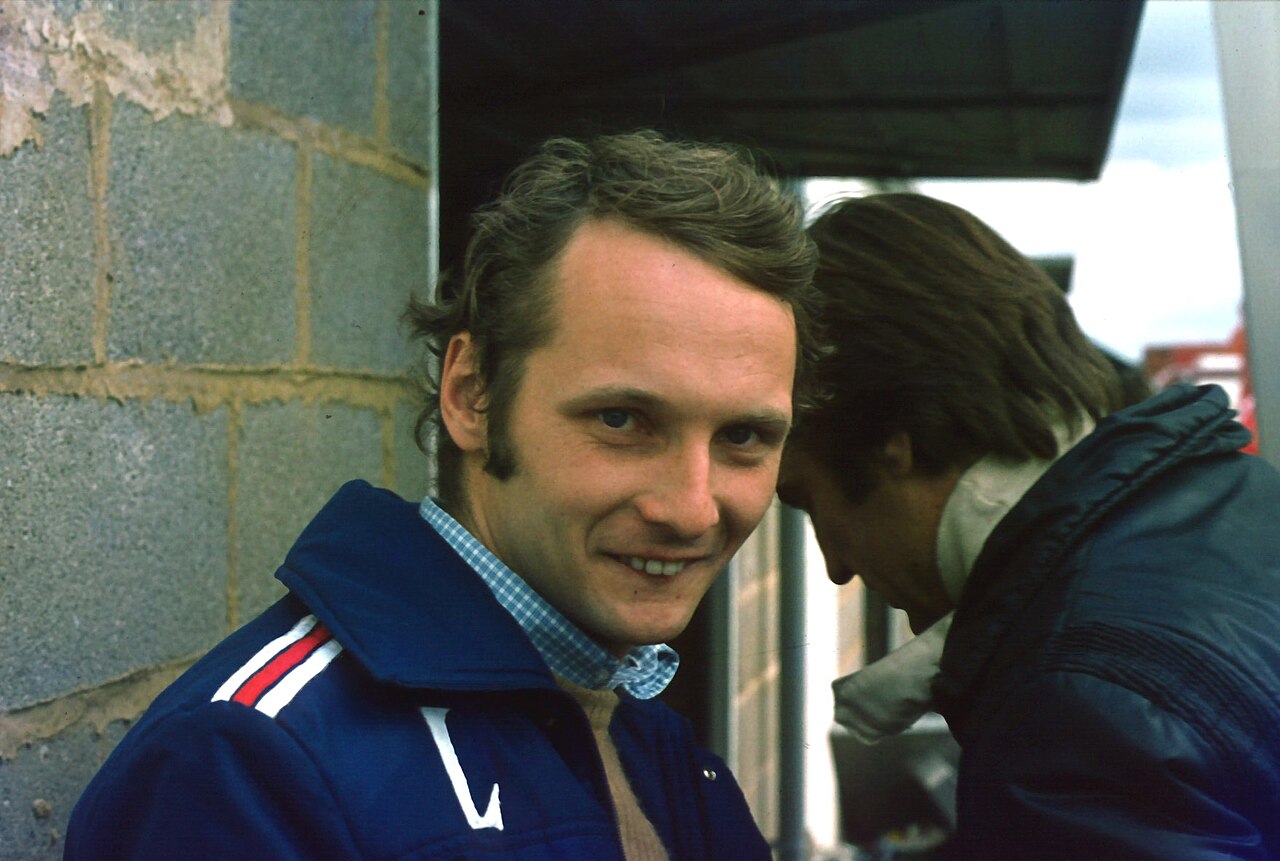

Overview of his racing career
Lauda began competing in top-level single‑seater racing in the early 1970s. His first Formula One appearance came in 1971 at the Austrian Grand Prix, and his first Grand Prix victory arrived in 1974. Driving for established teams, he rapidly developed a reputation for clear technical feedback, careful preparation and a methodical approach to car setup. His championship victories in the 1970s established him as one of the era's leading drivers, and after a brief retirement he returned to win again in the mid 1980s before retiring from full‑time driving in 1985.
1976 Nürburgring crash and recovery
Lauda's career is often recalled for the near‑fatal accident he suffered at the Nürburgring during the 1976 German Grand Prix. His car crashed and caught fire, causing severe burns and life‑threatening injuries. Remarkably, he returned to competition just weeks later, demonstrating extraordinary physical endurance and mental determination. The accident had a lasting influence on safety standards in Formula One, contributing to improvements in circuit protection, driver equipment and medical response practice.
Style, strengths and achievements
Lauda was known for a pragmatic driving style and incisive technical knowledge. He combined pace with consistency, traits that underpinned championship campaigns. He is remembered not only for race wins and titles but also for his ability to diagnose mechanical issues, work with engineers and help develop competitive cars. His approach influenced teammates and engineers, and his straightforward personality made him a prominent voice in motorsport long after his final race.
Post‑racing career and broader pursuits
After leaving driving, Lauda pursued diverse activities. He founded airlines and acted as a company director, reflecting his long interest in aviation. He authored books and contributed to public discussion about racing and business. In Formula One he served in management and advisory roles and later took a prominent executive role with a top team, sharing responsibilities with modern team leadership. His combination of commercial and sporting involvement made him an unusual figure who bridged the worlds of competition and business.
Legacy and notable facts
- Lauda's determination to return after serious injury is widely cited as one of Formula One's most extraordinary comebacks.
- He helped raise safety awareness in motorsport, leading to equipment and circuit changes whose effects persist today.
- Beyond racing, he established airlines and became a recognizable public figure in Europe for his direct manner and business achievements.
- He remained active in the sport's governance and team structures, influencing successive generations of drivers and managers.
For readers seeking more detail on specific races, teams and years, reputable motorsport histories and archival race records provide chronological results and contemporary accounts. His life story is also recounted in biographies and in his own writings, which describe the technical and personal sides of a career that shaped modern Formula One.
Related articles
Author
AlegsaOnline.com Niki Lauda: Austrian Formula One champion, aviator and entrepreneur Leandro Alegsa
URL: https://en.alegsaonline.com/art/70185
Sources
- formula1.com : "The F1 teams for the 2019 season- Formula 1®"
- theguardian.com : "Mercedes re-sign Toto Wolff and Niki Lauda to confirm F1 commitment"
- independent.co.uk : "Mercedes tie down Toto Wolff and Niki Lauda until 2020"
- theguardian.com : "Niki Lauda, three-time Formula One world champion, dies aged 70"