
Nicaraguan córdoba
The córdoba (sign C$, ISO code NIO) is Nicaragua’s national currency, subdivided into 100 centavos. This article explains its features, history, uses, and notable distinctions.
Overview
The córdoba (symbol C$; ISO 4217 code NIO) is the official currency of the Republic of Nicaragua. It is subdivided into 100 centavos and serves as the principal medium of exchange for everyday transactions, savings and pricing within the country. For general information about the currency as used in national finance and commerce, see the government and central bank resources linked to the currency page and Nicaragua’s country profile information.
Image gallery
10 Images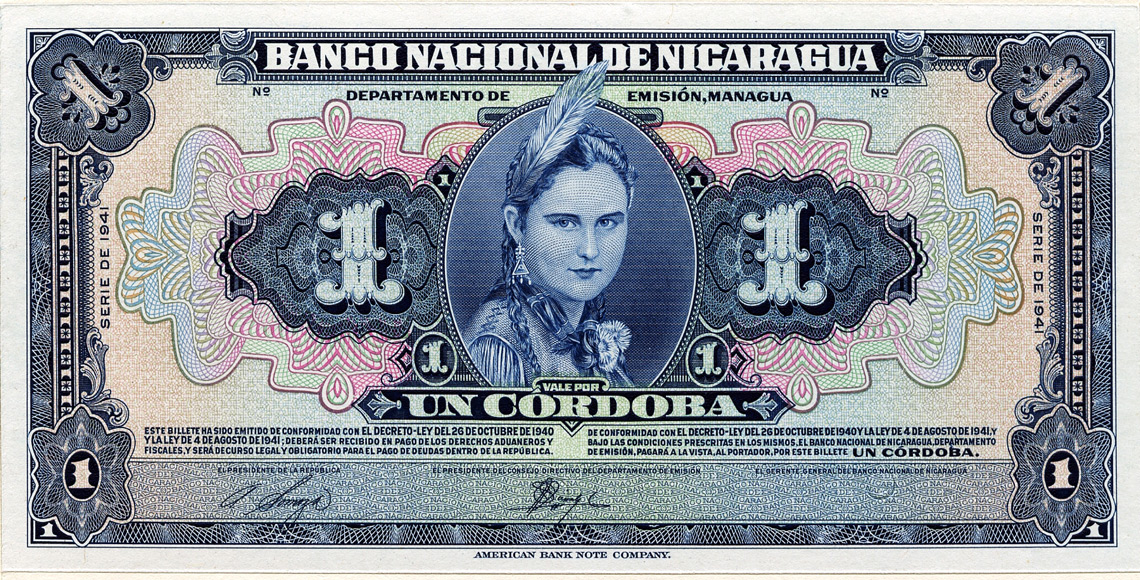


Characteristics
The córdoba is issued by the country’s monetary authority, the Central Bank of Nicaragua (Banco Central de Nicaragua). It circulates in both coin and banknote form: coins represent smaller values (centavos and low-denomination córdobas), while banknotes provide higher denominations for day-to-day and larger payments. The symbol C$ is commonly used in prices and financial documents; the ISO code NIO is used for international finance and exchange-rate quoting.
History and development
The name honors Francisco Hernández de Córdoba, a Spanish colonial founder associated with early Nicaraguan settlements. The córdoba was introduced in the early 20th century to provide a stable national unit replacing earlier monetary systems. Over the decades the currency has evolved through design changes, periods of inflation and monetary reform, and updates to security features on banknotes to deter counterfeiting.
Uses and economic role
Domestically, the córdoba is used for salaries, retail purchases, public services and local contracts. Nicaragua’s economy, which includes agriculture, remittances and tourism, influences demand for the currency; international visitors and foreign trade typically involve currency exchange. Exchange rates fluctuate against major currencies, and the córdoba’s value is affected by domestic monetary policy and external economic conditions.
Notable facts and distinctions
- The córdoba’s sign (C$) resembles other dollar- or peso-style symbols, so the ISO code NIO is important for clarity in international contexts (NIO).
- Banknotes and coins frequently depict national historical figures, cultural scenes and symbols of Nicaragua’s natural heritage.
- Monetary authorities periodically redesign notes and coins to improve durability and anti-counterfeiting protection; such updates are announced by the central bank and finance authorities (official sources).
For travelers and businesses, it is practical to check current exchange rates and preferred payment forms before arrival. The córdoba remains the fundamental monetary unit for domestic economic life in Nicaragua and an important element of national identity and fiscal policy.
Related articles
Author
AlegsaOnline.com Nicaraguan córdoba Leandro Alegsa
URL: https://en.alegsaonline.com/art/69924