
Oligopoly: market structure dominated by a few interdependent firms
An oligopoly is a market structure in which a small number of firms exert significant control over prices and output. It features interdependence, barriers to entry, non-price competition, and regulatory concerns.
An oligopoly is a form of market organization in which a limited number of firms hold substantial market share and influence pricing, output, and other strategic decisions. In mainstream economics this structure contrasts with perfect competition and monopoly: it lies between those extremes because several firms, not a single one, determine market outcomes. High barriers to entry and the strategic interdependence of firms shape behavior in these markets.
Image gallery
1 Image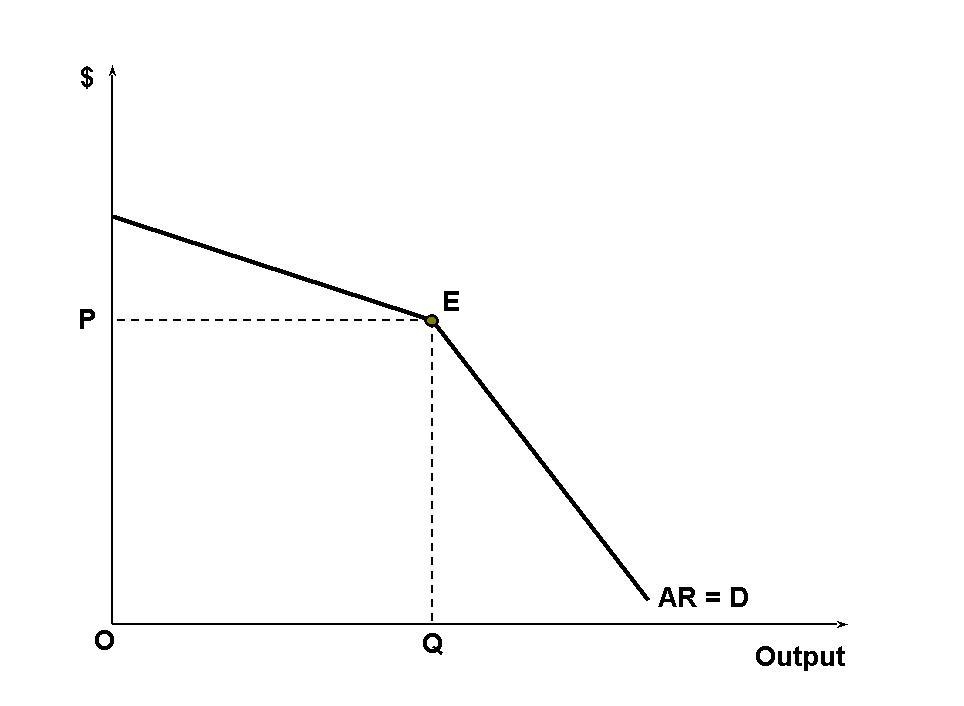
Key characteristics
- Few sellers: A small number of firms supply most of the market; each firm watches rivals closely and anticipates responses to its actions, a dynamic central to oligopoly behavior.
- Barriers to entry: Economies of scale, large capital requirements, control of essential inputs, or regulatory hurdles limit new competitors.
- Interdependence: Decisions about price, quantity, advertising, or product features depend on rivals' likely reactions, creating strategic complexity.
- Non-price competition: Firms often compete via product differentiation, branding, service, and innovation rather than pure price wars.
Analytical models highlight different strategic variables: the Cournot model focuses on quantity competition, the Bertrand model on price competition, and the Stackelberg model on leadership and timing. Game theory provides the common language for studying how firms form expectations and make choices under mutual interdependence.
History and theoretical development
The term combines Greek roots meaning "few" and "to sell" and entered economic discussion as scholars sought to describe markets that neither fitted pure competition nor monopoly. Over the 20th century, theorists developed formal models to capture oligopolistic behavior and used empirical studies to test predictions. Regulatory and antitrust authorities grew increasingly interested in oligopoly because coordinated behavior among a few firms can resemble collusion.
Examples, consequences, and regulation
- Common examples include sectors such as commercial aviation, automobile manufacturing, telecommunications, and energy; these industries often exhibit concentrated market shares and significant fixed costs.
- Potential outcomes: Oligopolies can produce higher prices and reduced output relative to competitive markets when firms collude, explicitly or tacitly. They may also generate strong incentives to invest in research and development and large-scale efficiencies.
- Regulation: Antitrust laws and competition policy aim to prevent explicit collusion (cartels) and abusive conduct while allowing competitive rivalry that benefits consumers.
Notable empirical observations include price rigidity in some oligopolies—firms avoid frequent price changes to prevent retaliatory moves—and a tendency toward non-price methods of competition. Analysts and policymakers distinguish oligopoly from monopoly by the presence of multiple firms, and from monopolistic competition by the much smaller number of major players and stronger strategic links between them. For further general background on market forms and their implications, see discussions of market form, the concept of a market, the definition of an industry, and the role of sellers in shaping outcomes.
Questions and answers
Q: What is an oligopoly?
A: An oligopoly is a market form in which the market or industry is controlled by a small number of sellers.
Q: What are high barriers to entry?
A: High barriers to entry refer to hindrances that prevent new firms from entering the market or even be able to have a significant market share.
Q: How do sellers in an oligopoly market behave towards each other?
A: As there are only a few sellers in the market, each seller would take note of the actions made by one another and think about how the other sellers will respond when making decisions.
Q: What is the possibility of an oligopoly?
A: An oligopoly can come together to make a common decision that allows them to have less competition and charge higher prices for consumers.
Q: Why do oligopoly markets charge higher prices for consumers?
A: There are few sellers in the market, and they have more power to control the market and limit supply. This allows them to charge higher prices for goods and services.
Q: What is the impact of oligopolies on competition?
A: Oligopolies reduce competition, as there are only a few sellers controlling the market, and they can work together to limit supply and increase prices.
Q: Why is it difficult for new firms to enter an oligopoly?
A: Oligopolies have high barriers to entry, making it hard for new firms to establish themselves and gain a significant market share. The existing firms have an advantage in controlling access to resources and distribution channels.
Related articles
Author
AlegsaOnline.com Oligopoly: market structure dominated by a few interdependent firms Leandro Alegsa
URL: https://en.alegsaonline.com/art/72377