
Nezahualcoyotl — ruler, poet and cultural leader of Texcoco
Nezahualcoyotl (1402–1472) was the tlatoani of Texcoco, a statesman, lawmaker, engineer and celebrated Nahuatl poet whose works and reforms shaped the cultural life of the Aztec Triple Alliance.
Nezahualcoyotl (commonly spelled Nezahualcóyotl; born ca. 1402–1472) was the principal ruler of the city-state of Texcoco and an influential figure within the Aztec political system. As a sovereign he is often described as a wise administrator and representative of the intellectual and civic traditions of central Mexico. He is frequently called the ruler of Texcoco and a leading partner in the alliance that included Tenochtitlan and Tlacopan, commonly grouped under the term Aztec empire.
Image gallery
10 Images


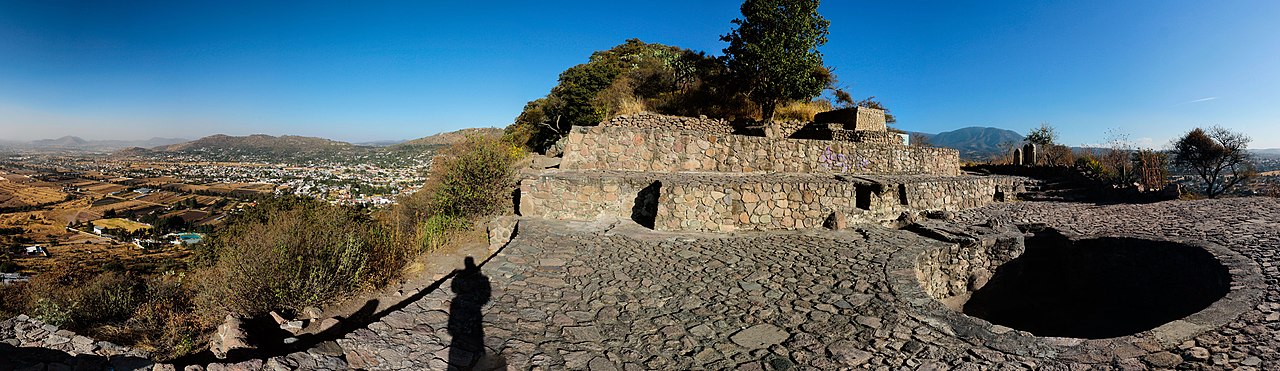
Roles and achievements
Nezahualcoyotl combined military, civic and cultural roles. He reorganized local government, promulgated legal reforms and sponsored major public works such as reservoirs and canals that improved water supply and urban planning. He also commissioned palaces and gardens and supported artists, scribes and craftsmen.
Poetry and thought
Besides governing, Nezahualcoyotl is celebrated as a poet and thinker. His Nahuatl verses explore mortality, the nature of divinity and the fragility of human existence; they survive in post‑conquest manuscripts and later anthologies. Scholars and readers prize these poems for their philosophical tone and lyrical quality, and he is often cited as an example of the pre‑Hispanic intellectual tradition. See references to his literary role as a poet.
Name and cultural image
The name Nezahualcoyotl is Nahuatl in origin and is commonly translated as "hungry coyote"; the constituent words reflect imagery used in Nahua naming practices. The literal meaning is cited in many modern references and appears as a defining element of his popular identity ("hungry coyote").
Legacy and distinctions
Historically, Nezahualcoyotl is remembered both for practical statecraft and for literary output. He exemplifies a ruler who combined administrative innovation with patronage of the arts, and his laws and constructions strengthened Texcoco's role in the region. Modern commemorations include toponyms, artistic depictions and scholarly study that emphasize his dual reputation as lawmaker and poet.
- Notable traits: legal reform, engineering projects, poetic authorship.
- Distinctive legacy: fusion of political power and intellectual leadership.
Related articles
Author
AlegsaOnline.com Nezahualcoyotl — ruler, poet and cultural leader of Texcoco Leandro Alegsa
URL: https://en.alegsaonline.com/art/69846