
Niccolò Machiavelli: Life, Works, and Political Thought
Italian Renaissance diplomat and writer Niccolò Machiavelli (1469–1527) shaped modern political thought through works like The Prince and Discourses, exploring power, virtue, fortune, and republican government.
Overview
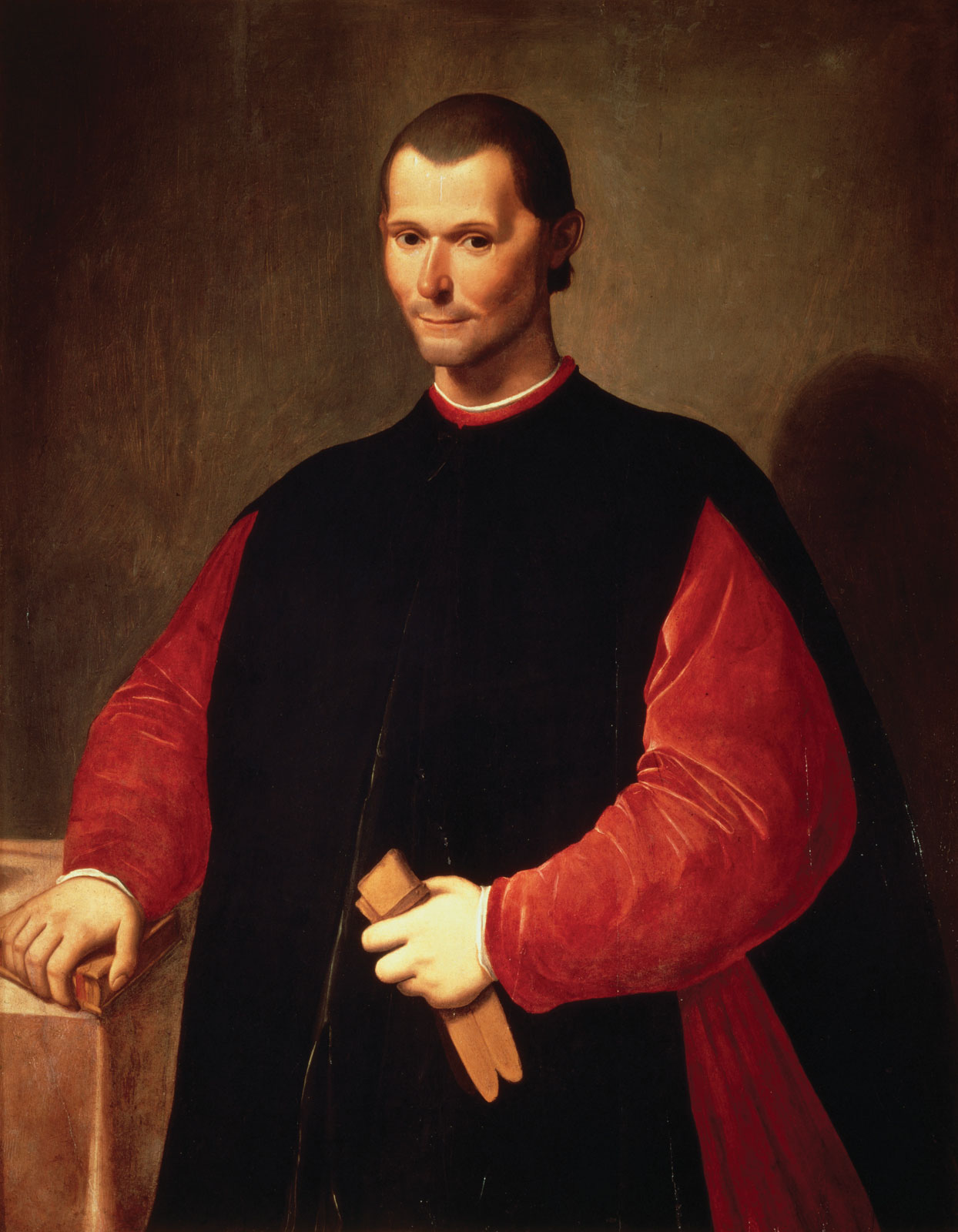
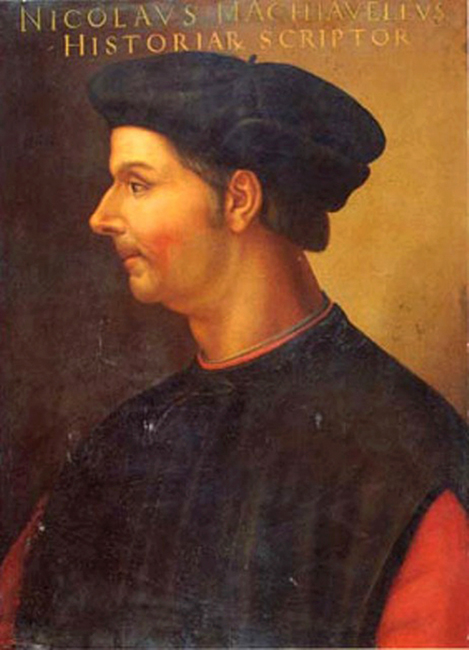
Niccolò Machiavelli (3 May 1469 – 21 June 1527) was a Florentine public official and writer whose name has become synonymous with pragmatic political calculation. He served as a diplomat and administrator in the government of the Florentine Republic and later wrote a range of works on statecraft, history and culture. Contemporary readers know him chiefly for his exploration of power and leadership in works such as The Prince, but his output also included poetry, plays and civic correspondence.
Image gallery
10 Images


Career and historical context
Machiavelli worked as a diplomat and government official during a turbulent period in Florence, including the interludes of Medici influence and republican rule; his official roles gave him direct experience of negotiation, military organization and intelligence gathering. During his service he met rulers and envoys from across Italy and Europe, experiences that informed his observations on fortune and political change. After the Medici returned to power he was dismissed and briefly imprisoned, then retired to private life where he wrote much of his lasting work.
Major works and genres
Machiavelli wrote in many forms: political treatises, history, military analysis and literature. In addition to The Prince, his Discourses on Livy argued for mixed government and civic virtue. He produced military manuals and analyses of contemporary warfare, wrote historical narratives, and composed plays, carnival songs and poetry. He also left a large body of personal letters in Italian that illuminate his practical and literary interests.
Central ideas
Two of the most cited concepts in Machiavelli's thought are virtù and fortuna. Virtù denotes the qualities—energy, adaptability, strategic shrewdness—that enable a leader to shape events, while fortuna refers to chance and circumstances beyond control. He is often described as a realist: he urged rulers to attend to power as it exists rather than how ideals demand it should be. At the same time, his writings contain reflections on republican government, civic institutions and military organization that complicate simple characterizations.
Reception and legacy
The adjective "Machiavellian" has entered common speech to mean cunning or unscrupulous behavior, a reading that traces largely to the blunt counsel in The Prince. Yet scholars debate whether Machiavelli advocated amorality or offered a descriptive account of political necessity. His name and ideas have influenced political thinkers, historians and literary writers, and his works remain central to the study of political philosophy and modern statecraft.
Works, forms and notable facts
- Political philosophy: practical manuals and reflections on governance.
- Military science: treatises on organization and tactics.
- History: accounts connecting past examples to civic outcomes.
- Drama and poetry: plays and poems used for cultural commentary.
- His correspondence remains a rich source of insight into Renaissance politics and language (letters, Italian context).
Readers exploring Machiavelli today may consult popular summaries and academic studies alike. For basic biographical overviews see entries that treat him as a Renaissance figure and statesman, while literary treatments emphasize him as a writer. His career as a diplomat unfolded amid the shifting alliances of the Medici period, and his cultural output ranged from poetry to carnival pieces (songs) and rigorous civic analysis. Critics who view his counsel as morally troubling sometimes label it evil, while others emphasize nuanced accounts of virtue and republicanism.
Whether read as a teacher of power or a republican realist, Machiavelli's writings continue to provoke debate and inform modern discussions about leadership, ethics, and the practical demands of governing.
Questions and answers
Q: Who was Niccolò Machiavelli?
A: Niccolò Machiavelli was a Florentine Renaissance man, statesman, and writer. He was a diplomat and government official in the Medici period of the Florentine Republic.
Q: What is Machiavelli best known for?
A: Machiavelli is best known for writing about political philosophy.
Q: What other works did he write?
A: In addition to his work on political philosophy, he also wrote poetry, plays, carnival songs, history books, military science books, and some of the best-known personal letters in the Italian language.
Q: What is his most famous book?
A: His most famous book is The Prince from 1513. It was not published until 1532 which was five years after he died.
Q: How has Machiavelli been viewed by some people?
A: Some people view him as evil because his ideas have been seen as wicked by some people.
Q: What do historians debate about when it comes to Machiavelli's thoughts?
A: Historians today still have debates on what he really thought.
Q: What are Machiavelli's ideas focused on?
A: His ideas are focused mostly on a unique understanding of virtue, statesmanship, and fortune (Latin Fortuna).
Related articles
Author
AlegsaOnline.com Niccolò Machiavelli: Life, Works, and Political Thought Leandro Alegsa
URL: https://en.alegsaonline.com/art/69926