
Nezami Ganjavi: Persian poet and author of the Khamsa (1141–1209)
Nezami Ganjavi, a 12th-century Persian poet from Ganja, wrote the Khamsa — five long narrative poems — and is celebrated for narrative richness, vivid imagery, and lasting influence across Persianate cultures.
Overview
Nezami Ganjavi (commonly Nezami; c.1141–1209) was a major poet of the medieval Persian literary tradition. Born in the city of Ganja (now in the Republic of Azerbaijan), he composed in the Persian language and is best known for a unified set of five long narrative poems often called the Khamsa or "Quintet." Biographical details survive in later sources and local tradition: for example, accounts note a marriage to a woman named Afaq and at least one son, but such personal details are recorded cautiously in later hagiography.
Image gallery
10 Images



Major works (the Khamsa)
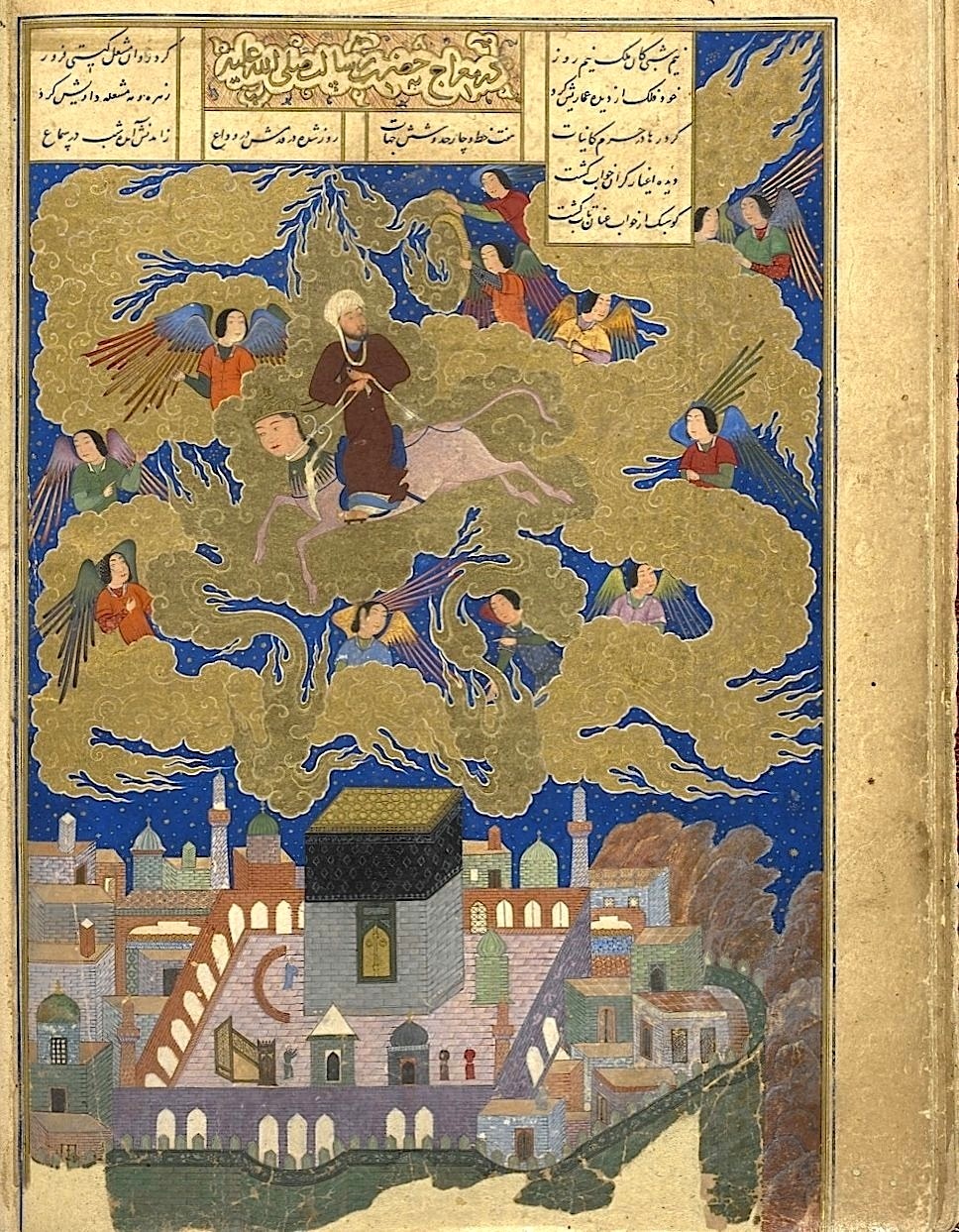
Nezami's five narrative poems are a cornerstone of Persian epic and romantic literature. They were originally intended as a single collected work and have been copied together in many illuminated manuscripts.
- Makhzan al-Asrar (The Treasury of Mysteries) — a didactic poem of moral and mystical reflections.
- Khosrow and Shirin — a romantic epic recounting the love of the Sasanian king Khosrow II and the Armenian princess Shirin.
- Layla and Majnun — Nezami's lyrical and tragic treatment of the classic Arab tale of star-crossed lovers.
- Haft Paykar (The Seven Beauties) — a symbolic romance in which a prince visits seven pavilions and hears moralizing tales.
- Iskandarnameh (The Book of Alexander) — a poetic retelling of Alexander the Great's exploits, blending legend and philosophy.
These titles appear in many manuscript traditions and have been translated, adapted, and illustrated across centuries; surviving illustrated copies attest to their cultural prestige.
Style, themes, and technique
Nezami wrote primarily in the masnavi form (rhymed couplets), employing rich metaphors, detailed description, and psychological insight. His narratives combine romance, ethical reflection, and Sufi-inflected symbolism, moving between passionate storytelling and moral allegory. He is admired for vivid scene-setting, naturalistic details, and a voice that blends courtly romance with philosophical digressions.
Reception and legacy
Nezami's influence extends through Persianate literature and beyond: later poets and storytellers drew on his plots, characterizations, and narrative techniques. His works were widely copied and illuminated in centers such as Tabriz and Herat, and they influenced Ottoman, Mughal, and Central Asian literary cultures. Today he is commemorated in literary histories and memorials in several countries; his poems remain read, studied, and translated into many languages.
Notable facts and resources
- Nezami's Khamsa set a formal model for later Persian quintets and narrative cycles; the unity of five long poems became a recognized genre.
- Manuscripts of his work are important for the history of Persian miniature painting and book arts; many illuminated copies were produced in later centuries.
- For general introductions and collections of translations, see modern editions and scholarly surveys available through major libraries and academic presses (further reading).
- Nezami's birthplace, Ganja, is often cited in biographical notes and local commemorations (Ganja, regional context).
- Because his work is central to Persian literature, it is discussed in comparative studies of medieval epic and court poetry (scholarly overviews).
Related articles
Author
AlegsaOnline.com Nezami Ganjavi: Persian poet and author of the Khamsa (1141–1209) Leandro Alegsa
URL: https://en.alegsaonline.com/art/69847