
New Place — William Shakespeare’s final Stratford residence
New Place in Stratford-upon-Avon was William Shakespeare’s family home in later life. The house was demolished in the 18th century; the site is now an interpretive garden and heritage site.
Overview
New Place was the large house in Stratford-upon-Avon where William Shakespeare spent his final years after withdrawing from the London stage. The property lay in the centre of Stratford and for centuries attracted visitors hoping to see the playwright’s home. The site is commonly associated with Shakespeare’s domestic life and legacy; it is discussed in local and national histories of English literature and heritage. Today the location is presented to visitors as a garden and interpretation area open to the public under heritage stewardship. Stratford-upon-Avon, Warwickshire and England are all commonly referenced when describing the place, and the house is tied to the life of William Shakespeare and his movement between his home and the London theatres.
Image gallery
6 Images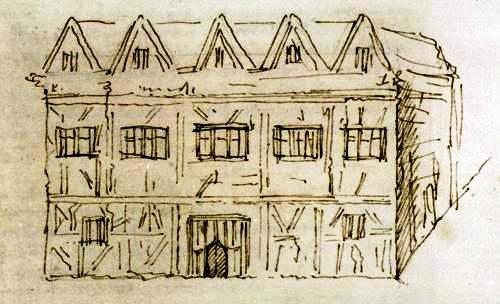


History and development
Shakespeare bought New Place in 1597 and used it as his principal residence after retiring from regular work in the capital. He lived there with his family until his death in 1616. The property passed through several hands among his descendants before becoming a focus for early tourists and antiquarians. By the mid-18th century, a later owner—often named in accounts as Rev. Francis Gastrell—removed the house, reportedly because the constant stream of visitors disturbed him; the building was demolished and much of its fabric lost.
Site, excavations and present form
Archaeological work and documentary study in the 19th and 20th centuries helped confirm the footprint and features of the former house, though no original structure survives above ground. The site was eventually placed in the care of a heritage organisation and transformed into an interpretive garden with displays, planting schemes and explanatory panels that aim to evoke the setting of Shakespeare’s home and family life. Visitors encounter landscaping, benches, and informational exhibits rather than the original rooms and fittings.
Significance and uses
New Place matters to literary history as the place where Shakespeare lived and died and as a source for understanding his household arrangements and local status. It is often contrasted with other Stratford properties associated with his birth and early years; together these sites form a network of places used in biographical and cultural interpretation. The site is used for education, tourism and scholarly interest, and it is frequently cited in discussions about conservation of literary heritage.
Notable facts and distinctions
- Shakespeare is believed to have purchased New Place in 1597 and to have died there in 1616.
- The house became a popular destination for visitors and antiquarians from the 18th century onwards.
- A later owner demolished the building in the 1750s to discourage visitors; this action removed the physical house but increased the site’s notoriety.
- Excavations and archival research recovered information about the layout and later use of the property; the location is now presented as a garden and interpretation space managed by a heritage organisation.
For those researching Shakespeare’s life, New Place offers a tangible connection to his later years even though the original structure no longer stands. The site continues to be cited in guides, academic work and visitor literature as a central element in the cultural landscape of Stratford.
Related articles
Author
AlegsaOnline.com New Place — William Shakespeare’s final Stratford residence Leandro Alegsa
URL: https://en.alegsaonline.com/art/69587