
New England town: primary municipal unit in the six New England states
A New England town is the basic municipal unit in the six New England states, often governed by town meetings or small elected boards and operating where county government is limited or absent.
Overview
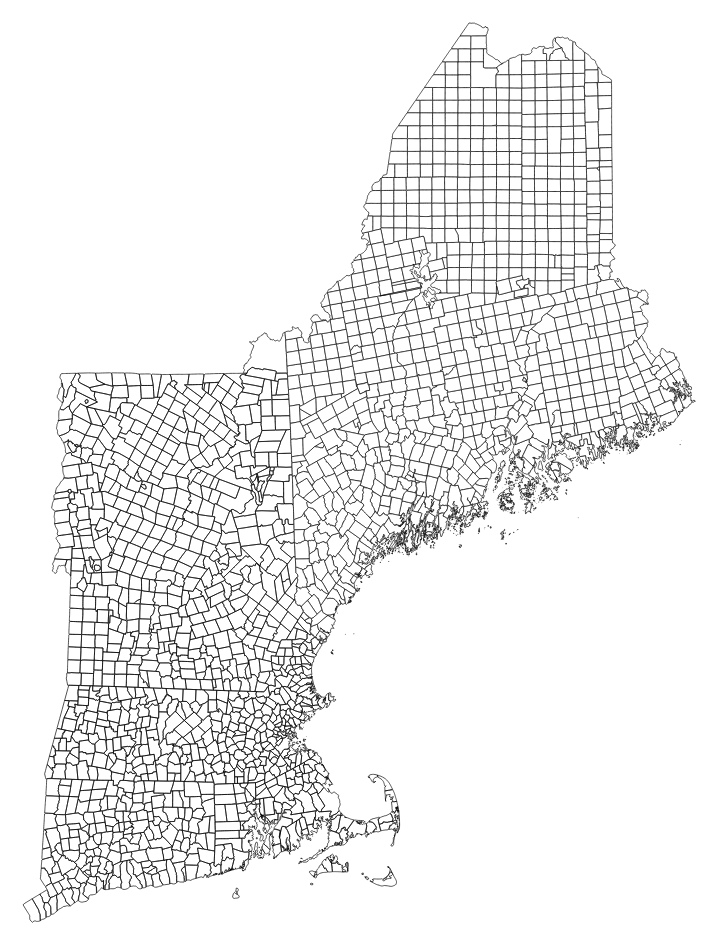
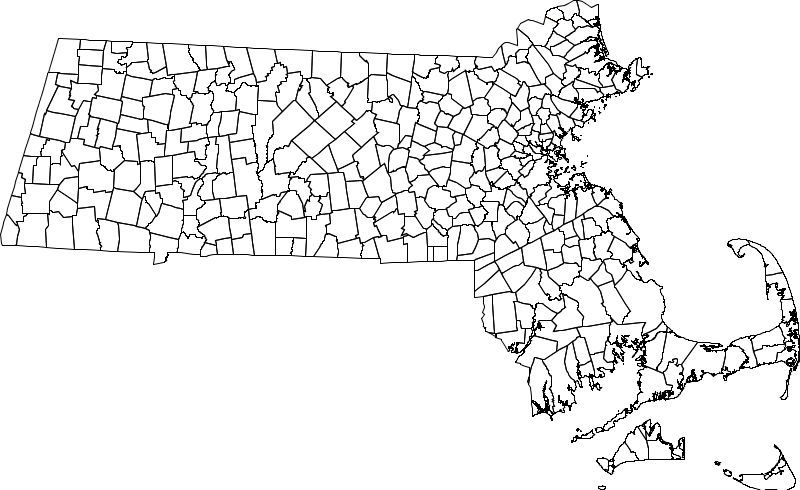
A New England town is the basic unit of local government in the six-state region commonly called New England. These towns are municipal corporations with defined legal boundaries, taxing authority, and responsibility for many day-to-day public services. While they share some features with civil townships found elsewhere in the United States, New England towns generally have fuller municipal powers and a stronger role in residents' daily lives.
Image gallery
10 Images





Powers and services
Typical responsibilities handled at the town level include maintenance of local roads and public works, parks and recreation, local planning and zoning, building inspection, assessment and collection of property taxes, and oversight of many public safety functions. Education may be provided by town school districts or through regional arrangements that span several towns. The precise scope of services varies by state and by the size of the town.
Forms of government
Governance structures vary across New England. Many towns use a board of selectmen, selectboard, or town council as an elected executive or policy body. Professional managers or administrators are employed in larger towns to handle day-to-day operations. Where population or complexity grows, representative forms of local government—such as a council-manager arrangement—may replace or supplement traditional models.
Town meeting and direct democracy
A distinctive feature of many New England towns is the town meeting, a form of direct democratic assembly in which eligible residents vote on budgets, bylaws, and major community decisions. Town meetings exist in open and representative forms: smaller communities often hold open meetings where any eligible voter may participate, while more populous towns may elect representatives to a representative town meeting.
Counties, states, and regional differences
County government is comparatively weak across New England compared with other U.S. regions. Some states assign limited duties to counties, and in a few states county governments have been eliminated or reduced in scope. For example, Connecticut and Rhode Island both have counties that serve mainly geographic or statistical purposes rather than robust county administrations, and Massachusetts has restructured or disbanded several county governments. Variations also exist among New England states such as Maine, New Hampshire, and Vermont, where towns remain the primary municipal actors.
History and contemporary role
The New England town developed from early colonial settlement patterns and communal institutions centered on meetinghouses and common land. Over centuries towns were formalized by colonial charters and state statutes, and they continue to reflect a preference for local, community-based decision making. Today New England towns serve as units for voting, land records, school administration, local services, and community identity, adapting as populations, inter-municipal cooperation, and service demands change.
Further reading and resources
For general comparison with other municipal forms see sources on civil townships and on the structure and duties of county government. State-level summaries and official municipal guides provide detailed descriptions of town powers and procedures in each New England state.
Related articles
Author
AlegsaOnline.com New England town: primary municipal unit in the six New England states Leandro Alegsa
URL: https://en.alegsaonline.com/art/69507
Sources
- ct.gov : "Connecticut State Register and Manual, Section VI: Counties"
- ri.gov : "Facts & History"
- sec.state.ma.us : "Historical Data Relating to the Incorporation of and Abolishment of Counties in the Commonwealth of Massachusetts"