
Neville Wran (1926–2014)
Australian lawyer and politician who served as Premier of New South Wales (1976–1986), led the state Labor Party, and later chaired national research and legal foundations.
Overview
Neville Kenneth Wran AC CNZM QC (11 October 1926 – 20 April 2014) was an Australian lawyer and politician best known for serving as Premier of New South Wales from 1976 to 1986. During his decade in office he led the state Labor Party through multiple electoral victories and a period of reform and institutional change often associated with the informal label the "Wranslide." After leaving politics he continued to hold prominent public roles, including national party office and leadership positions in research and legal philanthropy. For a concise record of his honours and public roles see official listings.
Image gallery
3 Images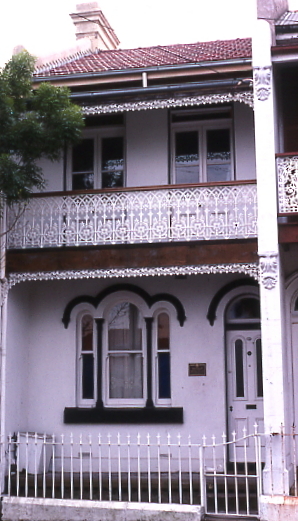


Early life and legal career
Wran was born in Paddington, New South Wales and raised in the inner suburbs, receiving his early education in Balmain. He trained and practised as a lawyer before entering politics, gaining experience in the legal profession that shaped his approach to public administration and governance; more on his legal background is available at legal biography. His roots in Sydney's working suburbs informed his political style and appeal.
Political rise and premiership
Wran entered state politics and rose to lead the New South Wales branch of the Australian Labor Party. He became Premier in 1976 and remained in that office for ten years. Under his leadership the government pursued a mix of economic management, public infrastructure investment and social reform. State-level electoral successes under his stewardship, often described in contemporary commentary as the "Wranslide," consolidated Labor's position in New South Wales. Contemporary accounts of his political career and party roles are summarized in sources about his political life at political profile and his national party responsibilities at ALP archives.
Policy themes and achievements
While in office, Wran's administrations emphasized a range of priorities typical for a state government of that era. These included:
- urban renewal and planning initiatives affecting Sydney and regional centres;
- investment in transport and public infrastructure;
- support for cultural institutions and the arts;
- measures aimed at improving public administration and accountability;
- attention to environmental management and conservation within state responsibilities.
The exact character and impact of these programs are the subject of historical and policy analysis; his premiership is often studied as an example of late 20th century state government leadership in Australia.
Later roles, honours and public life
After retiring from the premiership Wran continued to serve in public roles. He was National President of the Australian Labor Party from 1980 to 1986 and later chaired the Lionel Murphy Foundation. From 1986 to 1991 he was chairman of the Commonwealth Scientific and Industrial Research Organisation (CSIRO), reflecting a post-political shift into national research and advisory work. His public honours and professional appointments, including his recognition as a Companion of the Order of Australia and a Queen's Counsel, are noted in biographical listings such as premier records and institutional histories like local archives.
Legacy and death
Neville Wran is remembered as a consequential figure in New South Wales politics: a leader who combined legal training with an effective political style and who left a visible imprint on the institutions he led. He married twice and had five children. Wran died on 20 April 2014 at his home in Elizabeth Bay; reports note dementia as the condition associated with his death. For contemporary reports and remembrances see press coverage. Additional contextual information and detailed chronologies are available through scholarly and archival resources such as honours lists and party records at ALP resources.
Related articles
Author
AlegsaOnline.com Neville Wran (1926–2014) Leandro Alegsa
URL: https://en.alegsaonline.com/art/69448
Sources
- smh.com.au : "Neville Wran dead aged 87"