
Neuromancer — William Gibson's landmark cyberpunk novel
Neuromancer (1984) is William Gibson's debut novel that defined cyberpunk: a noir-inflected tale of hackers, artificial intelligences, and corporate power that reshaped science fiction and popular culture.
Overview
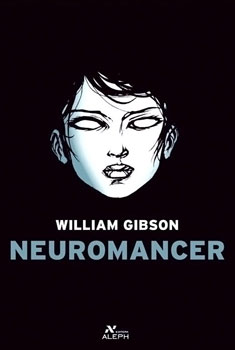
Neuromancer is a science fiction novel first published in 1984 by William Gibson. The book follows a washed-up console cowboy named Case who is hired for one last job that draws him into a conspiracy involving powerful corporations and enigmatic artificial intelligences. The novel's prose blends hardboiled noir with futuristic technology and helped define the cyberpunk sensibility within speculative fiction. It is often described as a landmark work in the genre and remains one of Gibson's best-known works.
Image gallery
4 Images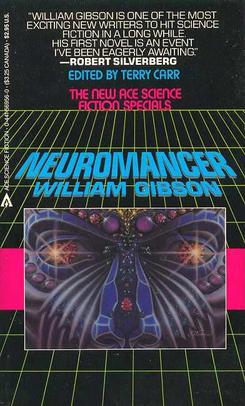


Structure, Style, and Setting
Gibson's writing in the novel is spare, atmospheric and focused on sensory detail: neon-lit cityscapes, cramped urban sprawls and the virtual landscapes that characters call cyberspace. The story is set largely in a near-future, high-tech world where multinational corporations wield immense influence and street-level criminals coexist with cutting-edge hackers. Much of the action alternates between physical locations and simulated environments, highlighting tensions between embodiment and digital identity.
Characters and Key Elements
Main characters include Case, the disillusioned hacker; Molly, a street-samurai with cybernetic enhancements; and the AIs whose motives propel the plot. The novel introduced or popularized several concepts and images that became central to later cyberpunk works, including immersive virtual realities and the fusion of human bodies with technology. The setting of the story forms part of a larger shared backdrop that continued in the Sprawl trilogy, which expands on the world and its political economy.
Themes, Influence, and Reception
Neuromancer explores themes such as the nature of consciousness, the ethics of artificial intelligence, the commodification of information and the social effects of pervasive technology. On release it was widely praised for its originality and tone, influencing literature, film, music and computer culture. Gibson is frequently credited with popularizing the word "cyberspace"—a term he had used earlier in short fiction—and shaping how virtual networks are imagined in popular culture.
Awards and Legacy
The novel won major science fiction honors, notably the Nebula Award, the Philip K. Dick Award and the Hugo Award, achievements that reflected both critical acclaim and its impact on the field. Its influence extends into contemporary discussions about surveillance, corporate governance and the social consequences of connectivity. Neuromancer remains a common reference point for writers, filmmakers and technologists examining the intersection of humanity and digital systems.
Further Reading and Notes
- For the novel itself see original publication details.
- To explore the book's place in the author's oeuvre and the wider movement, consult biographies and critical studies of Gibson and cyberpunk.
- Readers interested in sequels and related works can follow the Sprawl trilogy for continuation of themes and setting.
Questions and answers
Q: Who wrote Neuromancer?
A: William Gibson wrote Neuromancer.
Q: When was Neuromancer published?
A: Neuromancer was published in 1984.
Q: What is the cyberpunk genre?
A: The cyberpunk genre is a subgenre of science fiction that takes place in a dystopian future where advanced technology is intertwined with societal decay.
Q: Was Neuromancer Gibson's first novel?
A: Yes, Neuromancer was Gibson's first novel.
Q: What is the Sprawl trilogy?
A: The Sprawl trilogy is a series of three cyberpunk novels, including Neuromancer, written by William Gibson.
Q: What awards did Neuromancer win?
A: Neuromancer was the first novel to win all three of the important awards in science fiction — the Nebula Award, the Philip K. Dick Award, and the Hugo Award.
Q: Why is Neuromancer an important book?
A: Neuromancer is an important book because it started the cyberpunk genre and won all three major science fiction awards.
Related articles
Author
AlegsaOnline.com Neuromancer — William Gibson's landmark cyberpunk novel Leandro Alegsa
URL: https://en.alegsaonline.com/art/69358