
Graphic novel
A book-length work of sequential art combining illustrations and text. Graphic novels include original long-form stories, memoirs, reportage and collected comic editions, sold in book form worldwide.
Overview
A graphic novel is a book-length work that tells a story primarily through sequential art—panels of illustrations combined with written elements. Unlike single-issue periodicals, a graphic novel is usually published in a durable, bound format intended to be read as a coherent whole. The term covers original long narratives, themed anthologies and some collected editions of previously serialized comics.
Image gallery
6 Images


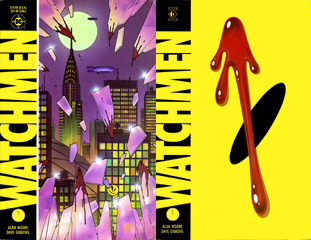

Form and characteristics
Graphic novels share many techniques with other comics: panel-to-panel sequencing, gutters, balloons, captions and expressive lettering. They can range from detailed realism to highly stylized or experimental artwork. Creation typically follows stages such as scripting, thumbnails, penciling, inking, coloring and lettering, then book design and binding so the finished product fits standard retail and library systems.
- Length: generally longer than a standard comic issue; often equivalent to a novella or novel in scope.
- Format: softcover or hardcover with spine, printed and bound like other books.
- Content: original long-form stories, autobiographical memoirs, reportage, anthologies or trade collections.
History and cultural traditions
Long-form illustrated storytelling exists in many cultures. In Japan, manga are serialized and then collected into book volumes; in Francophone countries, the bande dessinée has a strong album tradition. In the United States the descriptor "graphic novel" emerged to help position book-format comics in bookstores, libraries and literary discussions, and to distinguish them from magazine-style or newsstand comic issues.
Uses, genres and recognition
Graphic novels cover a wide range of genres: superhero, fantasy, slice-of-life, memoir, historical narrative, science fiction, mystery and journalistic non-fiction. The medium is used for entertainment, education and serious reportage because the interplay of image and text can clarify complex subjects and personalize experiences. Over time graphic novels have gained recognition in literary study, award programs and classroom use.
Distribution and distinctions
Because they are bound and marketed like books, graphic novels are commonly sold through general bookstores and specialty shops. The term overlaps with other phrases: some readers contrast a "graphic novel" with a comic book, a traditional comic magazine, or a collected edition known as a trade paperback. The label also sits between prose forms such as the novel and shorter works like a short story, reflecting its hybrid narrative and visual nature.
Notable facts
Graphic novels have broadened what readers and institutions accept as serious storytelling. Libraries catalogue them alongside other books, educators use them to engage diverse learners, and many titles have been adapted into film and television. Their flexibility invites experimentation with page design, pacing and the combination of documentary and fictional techniques.
Related articles
Author
AlegsaOnline.com Graphic novel Leandro Alegsa
URL: https://en.alegsaonline.com/art/40348