
Acherontia lachesis — The Asian Death's-head Hawkmoth
Acherontia lachesis is a large sphingid moth of the Oriental region, noted for a skull-like thoracic mark, honey‑robbing behavior, and distinctive squeaking adults.
Acherontia lachesis is a large hawkmoth of the family Sphingidae, commonly called a death's‑head hawkmoth or the bee robber. It is one of three closely related species bearing a pale, vaguely skull‑shaped pattern on the thorax. Adults are powerful nocturnal fliers and can reach wingspans of around 10–13 cm. The species is best known for its unusual habits and striking appearance rather than for being an agricultural pest.
Image gallery
10 Images


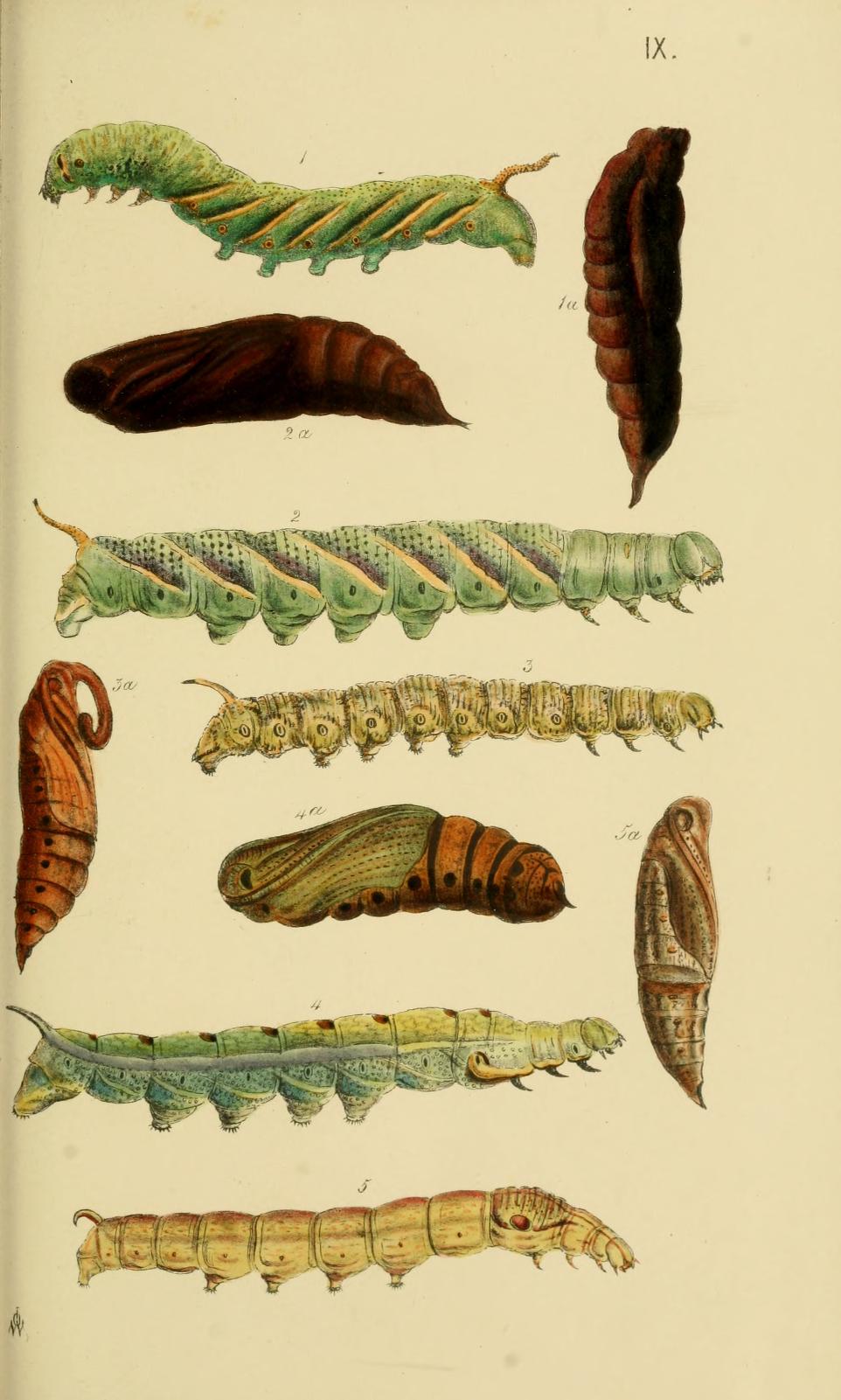

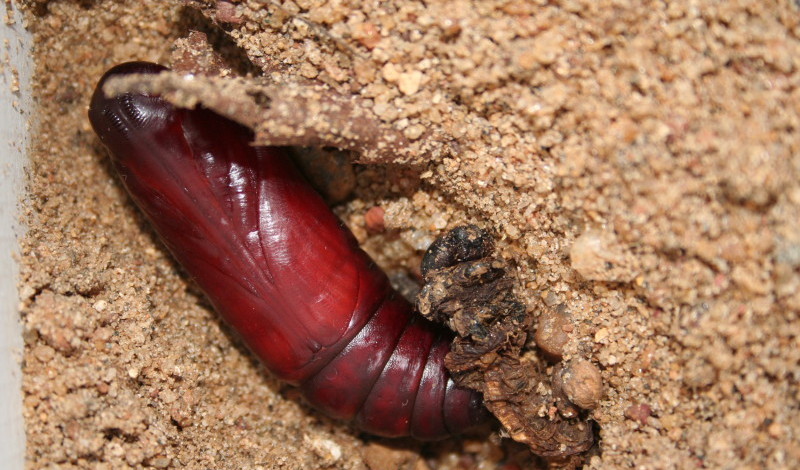

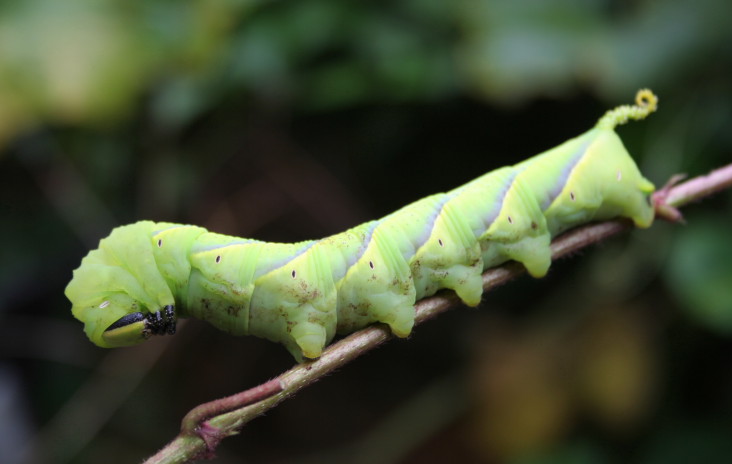

Characteristics
- Appearance: Robust body, broad wings with brown, yellow and black banding, and a pale mark on the thorax that can resemble a skull.
- Sound: Adults can emit a squeaking or chirping noise by forcing air from the pharynx, a rare trait among moths.
- Larvae: Caterpillars are large, usually smooth, often with a terminal horn; colour varies by instar from green to brown or yellow.
Distribution and habitat
A. lachesis occurs across much of the Oriental region, including parts of South and Southeast Asia. It has been recorded in India and neighboring countries, where it inhabits open woodlands, agricultural margins and gardens. The species favors areas where larval host plants and flowering nectar sources are available.
Life cycle and behavior
Like other sphingids, A. lachesis undergoes complete metamorphosis: egg, caterpillar, pupa and adult. Larvae feed on a range of herbaceous and woody plants—frequently members of nightshade and related families—and pupate in loose soil or leaf litter. Adults visit flowers for nectar at night and are attracted to lights.
Notable habits and cultural notes
This species has a reputation for entering beehives to take honey, earning the common name "bee robber." Some observations suggest the moth can resist or avoid defensive bees and may use scent cues and stealthy behaviour to gain access to combs. The skull‑like thoracic pattern and the moth's nocturnal, honey‑stealing habits have long made it a subject of folklore and curiosity.
Distinctions and related species
A. lachesis is closely allied to Acherontia atropos and Acherontia styx; the three are collectively called death's‑head hawkmoths. They differ in range, subtle pattern details and larval host preferences. Identification to species typically relies on wing pattern, size and geographic location.
Related articles
Author
AlegsaOnline.com Acherontia lachesis — The Asian Death's-head Hawkmoth Leandro Alegsa
URL: https://en.alegsaonline.com/art/690