
Kanji: Japanese logographic characters
Kanji are the logographic characters used in written Japanese, adapted from Chinese hanzi. This article explains their structure, history, readings, uses, and how they differ from kana.
Overview
Kanji (漢字) are the logographic characters used as one element of the modern Japanese writing system alongside the syllabic scripts hiragana and katakana. Borrowed and adapted from Chinese characters, each kanji typically represents a meaning (a morpheme) and may correspond to one or more spoken readings in Japanese. They appear in native words, Sino-Japanese compounds, and personal names, and are central to written communication.
Image gallery
4 Images

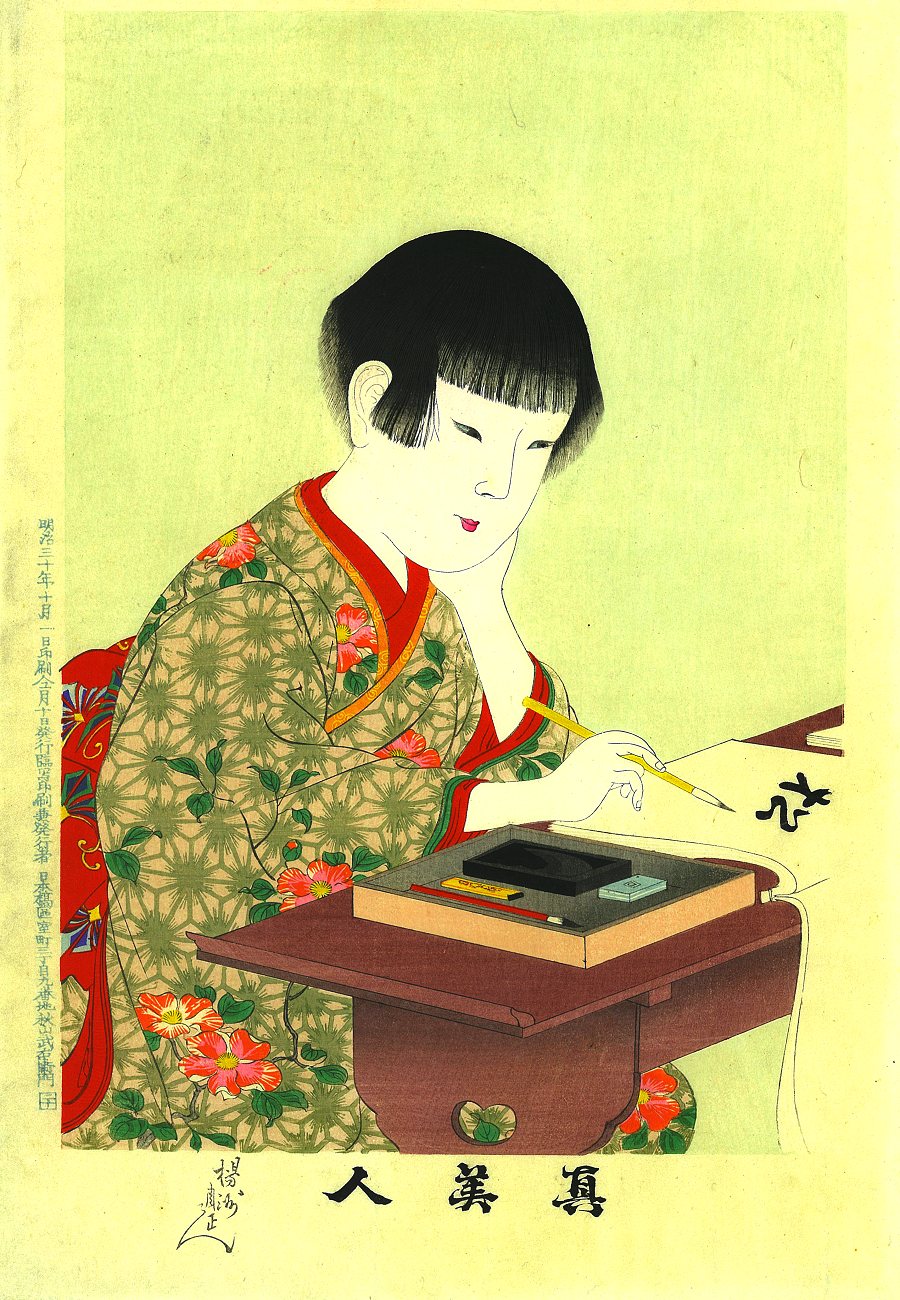

Structure and common components
Many kanji are composed of smaller graphic parts called radicals or components. These can suggest meaning, reading, or simply serve as a structural unit. Standard features include stroke order, stroke count, and proportion. Readers and learners use radicals to look up characters and to understand semantic connections among related kanji.
- Radicals: recurring components that often indicate broad semantic categories.
- Stroke order: conventional sequences that affect legibility and handwriting.
- Variants: simplified (modern) and traditional forms, as well as handwriting differences.
Readings and pronunciation
Most kanji have at least two types of readings: an on-yomi (Chinese-derived pronunciation) and a kun-yomi (native Japanese pronunciation). Which reading is used depends on the word and grammatical role. Kanji are frequently combined into compounds called jukugo, where on-yomi readings are common; kun-yomi often appear when a character stands alone or with inflected endings shown in hiragana.
History and development
Kanji entered Japan via cultural contact with China and other parts of East Asia, where the Chinese writing system was already established. Over centuries, Japanese adapted the characters to represent its own vocabulary and grammar. The Japanese government and language authorities have standardized sets of characters for education and official use, while personal names and historical texts retain a wider variety of forms.
Uses, education, and practical points
In everyday written Japanese, kanji serve to disambiguate homophones, condense information into compact units, and convey etymological or semantic nuance. Japanese learners study kanji progressively through school and adult education, often relying on mnemonic methods, practice of stroke order, and exposure to vocabulary. Furigana (small kana above or beside kanji) indicate pronunciation when needed.
Distinctions and notable facts
Kanji differ from kana in function: kana represent syllables and grammatical endings, while kanji carry lexical meaning. Some characters have different meanings or pronunciations in modern Chinese and Japanese despite shared origin. For more on the Japanese writing system see related overview, and for a discussion of ideographic versus logographic classification see writing-systems resources.
Usage
Incorporated into modern Japanese syllabic texts, kanji now denote nouns or stems of verbs and adjectives.
The earliest Japanese texts - kanbun - are written exclusively in kanji. A kanji could stand for a Japanese word, (independent of meaning) for a Japanese speech sound ("reading" of this kanji) or also for a small rebus.
Etymology
The logogram 字 meaning "character" is phonetically realized as zì in Chinese according to Pinyin, and as ji in Japanese; that is, the word ji is ultimately a Chinese loanword - in Japanese, although it is hardly perceived as such today.
The Chinese character 漢 - pinyin hàn - refers to the historical Han dynasty that shaped Chinese identity. It appears in the Japanese phonetic system as kan. Kanji thus means "character of the Han people".
Questions and answers
Q: What is Kanji?
A: Kanji is one of the three forms of Japanese writing.
Q: What is a Kanji?
A: A Kanji is an ideogram that shows the meaning of a word.
Q: What is the origin of Kanji ideograms?
A: Kanji ideograms were taken from Chinese characters.
Q: What is the meaning of the word "Kanji"?
A: The word "Kanji" means "Han characters" (i.e. "Chinese characters").
Q: How do Kanji characters differ from other forms of Japanese writing?
A: Kanji characters are ideograms, while other forms of Japanese writing are syllabic.
Q: Can Kanji characters change over time?
A: Yes, many Kanji characters changed over time.
Q: What do Kanji characters represent?
A: Kanji characters represent an idea, such as an object, thing, or quality.
Related articles
Author
AlegsaOnline.com Kanji: Japanese logographic characters Leandro Alegsa
URL: https://en.alegsaonline.com/art/52116
Sources
- books.google.com : Writing and literacy in Chinese, Korean, and Japanese
- books.google.com : The Phonetics of Japanese Language: With Reference to Japanese Script