
Nawab of Awadh (Nawab of Oudh)
Title of the rulers of Awadh (Oudh) in northern India during the 18th–19th centuries, originating under Mughal authority with Saadat Khan and later known for Lucknow's rich Indo‑Persian culture until British annexation.
Overview
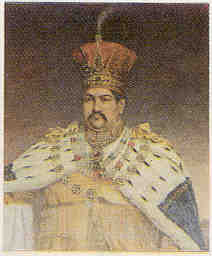
The Nawab of Awadh, often called the Nawab of Oudh in older English sources, was the hereditary title borne by the rulers of the north Indian province of Awadh. Established in the early 18th century when Mughal central power weakened, the office combined military, fiscal and civil authority and evolved into a semi‑independent principality centered in present‑day Uttar Pradesh. The territory and its court are commonly referenced as the state of Awadh.
Image gallery
10 Images




Origins and dynastic background
The first Nawab was Saadat Khan (also Saadat Ali Khan), appointed in 1722 while serving as a Mughal wazir. He founded the ruling household that governed Awadh for more than a century. Members of the family traced cultural and family roots to Persianate circles, and some accounts point to ancestral connections reaching regions such as Nishapur; these origins are often summarized when discussing the dynasty's background (Nishapur). For general reference to the ruling line, see sources on the dynasty.
Government and development
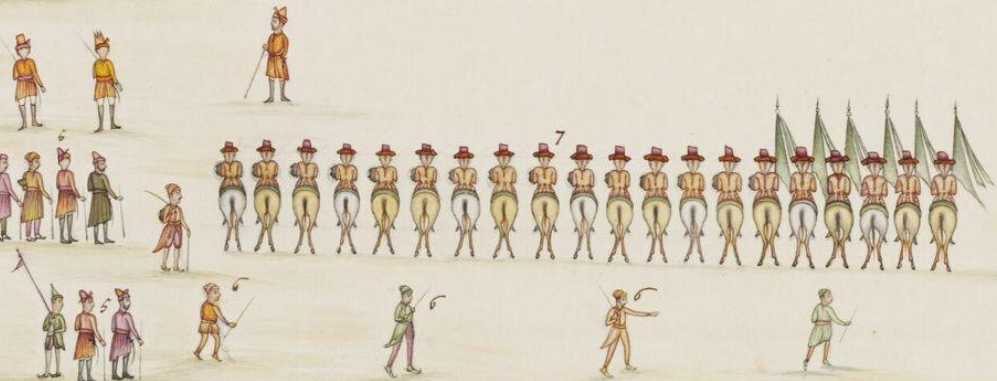
As Mughal authority declined, the Nawabs expanded administrative independence, maintained standing troops, levied revenues and negotiated with neighbouring powers. The court at first sat at Faizabad and later at Lucknow, which became the cultural and political capital under later Nawabs. The rulers balanced local alliances, courtly display and practical governance while facing growing British influence from the late 18th century onward.
Culture and legacy
Awadh under the Nawabs became a major center of Indo‑Persian high culture. The court promoted Shia religious observance, classical music, poetry, dance and a refined etiquette often identified with Lucknow. Architectural commissions (for example, well‑known imambaras and palaces), the development of Awadhi cuisine and patronage of arts and crafts are enduring parts of their legacy.
Decline and annexation
Throughout the 19th century the British East India Company increasingly constrained Awadh's autonomy. The last ruling Nawab, displaced in the mid‑19th century, was removed when the British annexed the territory, a political move that contributed to local unrest and played a role in the wider disturbances of 1857. The annexation ended the Nawabi state but not the cultural imprint of its courts.
Notable features
- Hybrid Indo‑Persian administrative and cultural model, with Persian as the court language for long periods.
- Strong association with Shia religious patronage and ceremonial life.
- Enduring influence on cuisine, performing arts and Lucknow's urban landscape.
For additional historical summaries and primary references, follow general repositories and specialist works on Mughal provincial rule and the social history of 18th–19th century northern India.
Related articles
Author
AlegsaOnline.com Nawab of Awadh (Nawab of Oudh) Leandro Alegsa
URL: https://en.alegsaonline.com/art/68860
Sources
- sultanpur.nic.in : "Sultanpur, Uttar Pradesh"