
Nawabs of Bengal: Governors, Power and Decline (17th–19th centuries)
Regional rulers of Bengal and Orissa who evolved from Mughal governors into semi-independent Nawabs; their politics, administration and decline after the Battle of Plassey and British expansion.
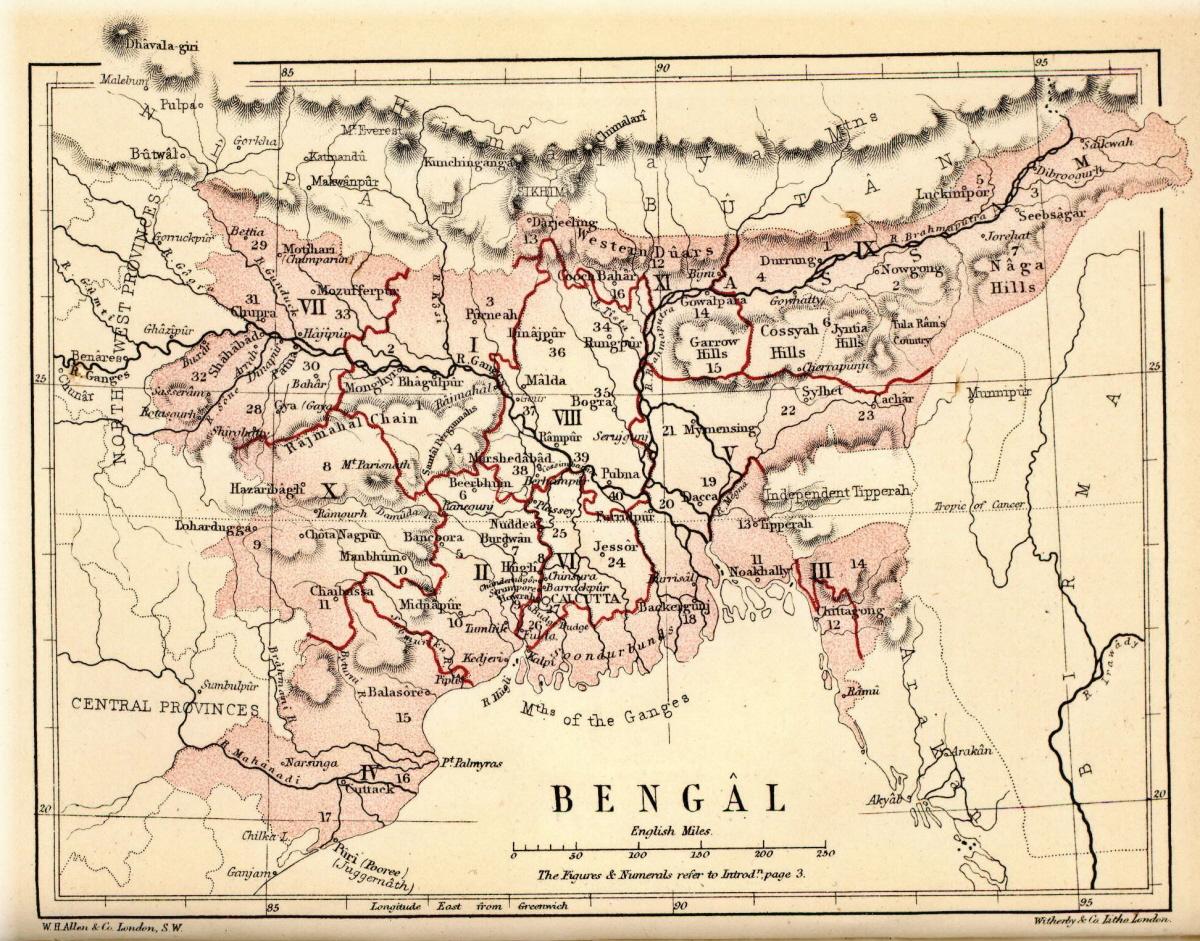
The Nawabs of Bengal—often titled Nawab Nizam or Nawab Nazim of Bengal and Orissa—were the provincial rulers who exercised political, fiscal and military authority in the prosperous eastern regions of the Indian subcontinent. Originating as Mughal appointees, several Nawabs transformed their offices into de facto hereditary and semi-independent principalities during the 18th century. Their court at Murshidabad became a major centre of administration, culture and commerce that linked inland Bengal with maritime trade routes.
Image gallery
10 Images


Role and institutions
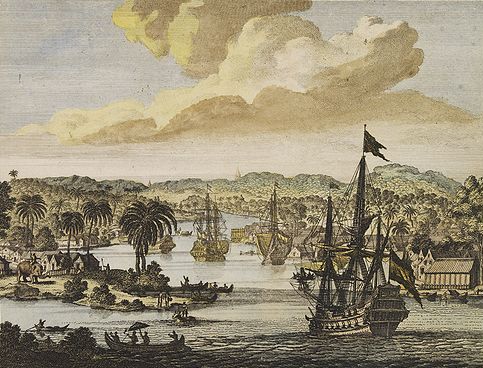
Nawabs combined the functions of governor, military commander and revenue administrator. Their responsibilities included collecting land revenue, maintaining law and order, commanding local forces and overseeing civil administration. The fiscal system of Bengal relied on zamindars (landholders) and a complex revenue bureaucracy. Nawabs patronised artisans and trade, protecting important industries such as textiles and shipbuilding. Over time they cultivated distinct courtly styles and maintained diplomatic ties with neighbouring powers and European trading companies.
Rise to prominence and key figures
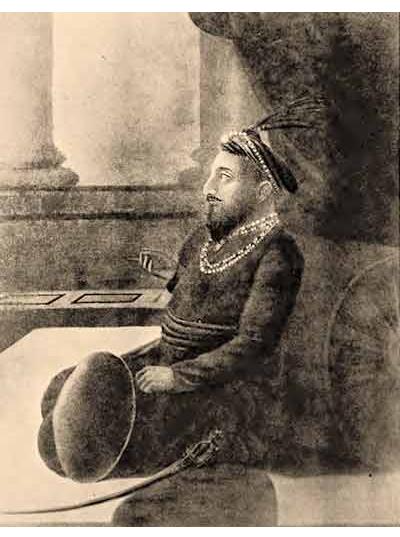
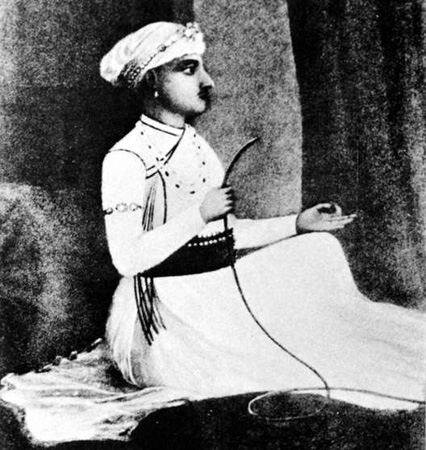
From the late 17th century the office of Nawab acquired greater autonomy as central Mughal control weakened. Prominent families established lasting influence; Murshid Quli Khan is often credited with concentrating authority and reorganising revenue administration. The most famous and consequential figure in the later period was Siraj ud-Daulah, whose resistance to British encroachment culminated in the 1757 confrontation known as the Battle of Plassey. In that engagement Siraj ud-Daulah was betrayed by several insiders, above all Mir Jafar, who conspired with agents of the British East India Company to replace him.
Colonial intervention and administrative change
The outcome at Plassey marked the start of sustained Company influence. Although successive Nawabs nominally retained titles, real power passed to the East India Company after it secured the diwani — the right to collect revenues — of Bengal, Bihar and Orissa in the 1760s. A system often described as 'dual government' left the Nawab with limited judicial and ceremonial functions while the Company exercised fiscal control; this arrangement produced widespread criticism for corruption and mismanagement. Administrative reforms in the 1770s and 1780s progressively placed revenue, law and governance under Company's officers, and by the end of the century Nawabs had become largely titular figures who received pensions from the Company.
Legacy and later developments
Although stripped of substantive power, the Nawabi household continued as an important cultural symbol for local elites and Muslim society in Bengal. The position endured in diminished form through the 19th century. In 1793 further reorganisation of land and revenue practices reduced the political role of the Nawabs and converted many revenue rights to proprietary arrangements. The line of titular Nawabs persisted; for example, Mansur Ali Khan is recorded as abdicating in favour of his son Hassan Ali Mirza in 1880, reflecting the transformation from sovereigns to pensioned aristocrats under colonial rule.
Notable facts and distinctions
- The Nawabs began as Mughal provincial governors but became semi-autonomous rulers as imperial authority declined.
- The 1757 Battle of Plassey is widely seen as the turning point that enabled Company ascendancy in Bengal.
- "Dual government" separated fiscal control (increasingly with the Company) from nominal Nawabi administration, producing an era of indirect rule.
- Culturally, the Nawabi courts patronised literature, music, architecture and textile production, leaving a lasting heritage in Bengal.
- For regional context and further reading on Bengal and Orissa, see provincial histories such as those referenced at Bengal and Orissa and general studies of colonial transition at related sources.
The story of the Nawabs of Bengal illustrates how local dynasties could rise from imperial offices to regional sovereignty and then be subsumed by expanding colonial powers. Their administrative practices, patronage and interactions with European trading companies shaped both the economic fortunes of eastern India and the wider trajectory of South Asian political change in the 18th and 19th centuries.
Questions and answers
Q: Who were the Nawabs of Bengal?
A: The Nawabs of Bengal were the rulers of the provinces of Bengal and Orissa.
Q: How long did the Nawabs rule the province of Bengal?
A: The Nawabs ruled the province of Bengal between 1717 and 1772.
Q: Who was the last independent Nawab of Bengal?
A: The last independent Nawab of Bengal was Siraj ud-Daulah.
Q: How did the British establish themselves as a political power in Bengal?
A: The British established themselves as a political power in Bengal by defeating Siraj ud-Daulah in the Battle of Plassey and installing Mir Jafar on the throne in 1757.
Q: What was the system of 'dual government' in Bengal?
A: The system of 'dual government' in Bengal meant that the Nawabs ruled on behalf of the British and were puppets to the British.
Q: When was the system of 'dual government' abolished in Bengal?
A: The system of 'dual government' was abolished in Bengal in 1772.
Q: Who was the last Nawab of Bengal and when did he abdicate?
A: The last Nawab of Bengal was Mansur Ali Khan and he abdicated on 1 November 1880 in favour of his eldest son, Hassan Ali Mirza.
Related articles
Author
AlegsaOnline.com Nawabs of Bengal: Governors, Power and Decline (17th–19th centuries) Leandro Alegsa
URL: https://en.alegsaonline.com/art/68861
Sources
- dsal.uchicago.edu : 46
- en.banglapedia.org : "Sirajuddaula" · web.archive.org
- books.google.com : Longman History & Civics (Dual Government in Bengal
- books.google.com : Madhya Pradesh National Means-Cum-Merit Scholarship Exam (Warren Hasting's system of Dual Government
- murshidabad.net : "Decline of the Nawabs of Bengal" · web.archive.org