
National People's Congress (China)
The National People's Congress (NPC) is the unicameral national legislature of the People's Republic of China. Composed of about 3,000 deputies, it enacts laws, approves leaders and budgets, and oversees state organs.
Overview
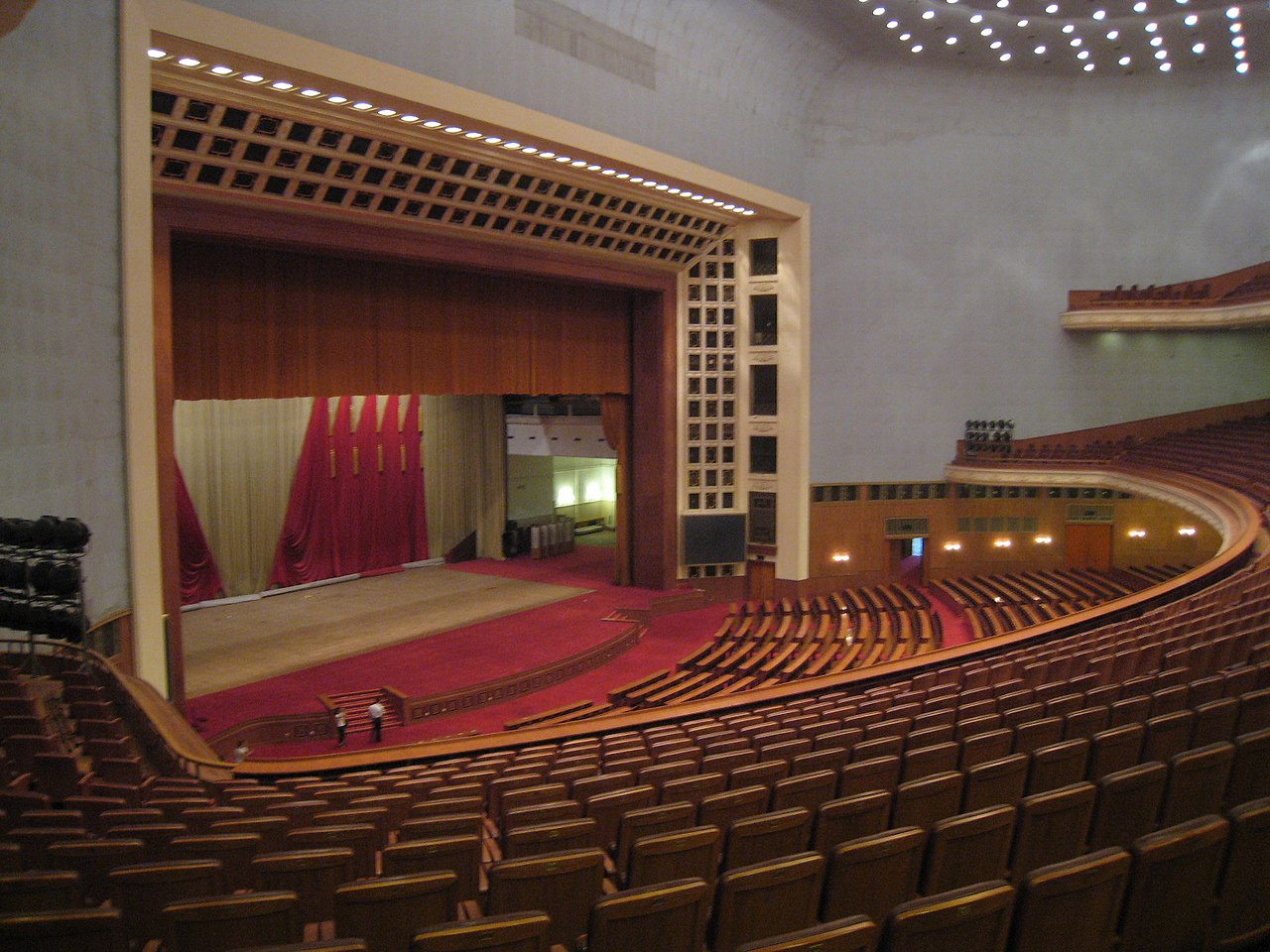
The National People's Congress (NPC) is the national legislature of the People's Republic of China and, under the constitution, the highest state organ in formal legal terms. It is a unicameral assembly composed of deputies who represent provinces, autonomous regions, municipalities directly under the central government, the armed forces and, in practice, other designated constituencies. The NPC is commonly described as the largest legislative body in the world, with roughly three thousand deputies. It typically meets in full session once a year during the annual "Two Sessions" period to consider major laws, the state budget and top-level personnel matters. For information on the institution type see national legislature and for context on the state it serves see People's Republic of China.
Image gallery
4 Images


Structure and membership
Formally a single-chamber body, the NPC operates through a permanent Standing Committee that carries out much of the legislature's work between plenary sessions. Deputies serve fixed terms and are selected by a system of indirect elections in which people's congresses at lower levels elect representatives to higher-level congresses. Membership includes government officials, Communist Party cadres, representatives of other parties and non‑party individuals, the armed forces, and delegates from special administrative regions. The composition is intended to reflect a wide range of geographic and social sectors, though the NPC functions within the broader political framework of the state and the leading party.
Powers and functions
- Enacting and amending national laws, including the constitutional framework and its formal amendments.
- Approving and supervising the state budget and major national economic and social plans.
- Electing and appointing principal state officers and bodies in accordance with constitutional procedures, including the president, premier and judicial leaders, or formally confirming their selection.
- Overseeing the work of state organs and the implementation of laws through reports, inquiries and the Standing Committee's review processes.
Selection and electoral system
Deputies to the NPC are not chosen by direct nationwide popular ballot. Instead, elections proceed in a multi‑tiered fashion: local people's congresses elect representatives to higher bodies, culminating in selection for the national legislature. This indirect electoral arrangement is grounded in the country's constitutional and legal framework and reflects the tiered organization of people's congresses.
Legislative process
Legislation may be proposed by state organs, the Standing Committee, or delegates. Draft laws are studied by committees and by the Standing Committee before being submitted to a plenary session for adoption. The Standing Committee also has the authority to adopt or amend administrative regulations and other binding rules when the full NPC is not in session, subject to later review.
Role in governance and oversight
In addition to making laws and approving budgets, the NPC formally participates in the selection and oversight of senior officials and state institutions. Its annual sessions are a focal point for announcing personnel changes, policy priorities and legislative agendas. Observers note that, while the NPC possesses broad constitutional powers on paper, in practice its deliberations and outcomes are shaped by institutional relationships with the country's executive organs and the leading political party. For broader commentary and analysis see related sources.
History and evolution
The NPC has evolved since the founding era of the People's Republic in the mid‑20th century. Over successive constitutional revisions and political developments its procedures, workload and role have changed: the Standing Committee expanded its routine lawmaking responsibilities, and the NPC's legislative output increased markedly as the country undertook economic and social reforms. The institution remains central to the formal constitutional order of the state.
Significance and debates
The NPC is significant both for its formal status as the supreme state organ and for its practical functions in lawmaking and personnel approval. Debates about its role commonly contrast its constitutional powers with the reality of political practice: supporters emphasize its role in providing legal authority and national deliberation, while critics and some external analysts highlight limits on independent policymaking and the influence of other state and party bodies. The NPC continues to be a primary venue for enacting national legislation and for signaling policy directions to domestic and international audiences.
Related articles
Author
AlegsaOnline.com National People's Congress (China) Leandro Alegsa
URL: https://en.alegsaonline.com/art/68677