
National Institute of Standards and Technology (NIST)
NIST is a U.S. Department of Commerce laboratory that advances measurement science, standards, and technology to support innovation, industry competitiveness, and public well‑being.
Overview: The National Institute of Standards and Technology (NIST) is a non‑regulatory measurement standards laboratory within the United States Department of Commerce. Its stated mission is to promote innovation and industrial competitiveness by advancing measurement science, standards, and technology in ways that strengthen economic security and improve quality of life. NIST provides objective, evidence‑based tools and guidance to industry, government, and researchers while remaining separate from regulatory enforcement.
Image gallery
6 Images


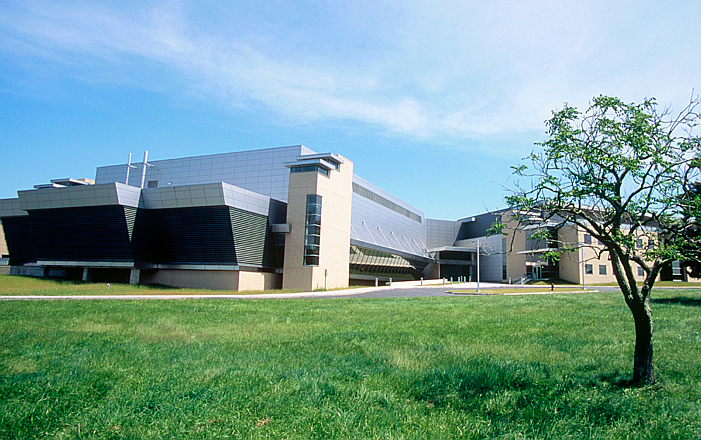
Origins and organization
NIST began as the National Bureau of Standards (NBS) and was renamed in the late 20th century. It operates multiple campuses and laboratories that host scientists and engineers working across physics, engineering, materials, information technology, and related fields. The institute collaborates with the Department of Commerce and coordinates with international bodies to ensure U.S. measurements and standards are compatible with global practice.
Core activities
- Developing and maintaining measurement standards and reference materials used by industry and laboratories.
- Operating national time and frequency standards that underpin telecommunications and navigation.
- Researching advanced manufacturing techniques, materials science, and quantum science to spur new products and processes.
- Producing guidance and frameworks for cybersecurity, cryptography, and information assurance adopted broadly in government and the private sector.
These activities produce technical reports, test methods, calibration services, and validated measurement tools that reduce uncertainty, improve reproducibility, and facilitate trade. NIST publications include research papers, technical notes, and practical frameworks used by engineers and managers worldwide.
Impact, examples, and partnerships
Work from the institute affects diverse areas such as manufacturing tolerances, medical device calibration, climate measurements, and secure communications. Practical examples include reference standards for materials testing, time signals used by networks and satellites, and cybersecurity frameworks that organizations use to assess risk. NIST also runs programs that recognize organizational excellence and helps small and large firms adopt best practices.
Notable distinctions: NIST is non‑regulatory but highly influential: many federal procurement rules and private sector specifications cite its standards and publications. Its role is to provide impartial science and tools that underpin consistency, interoperability, and innovation rather than to enforce compliance.
For further information about NIST's programs, measurements, and guidance, the institute's public reports and outreach materials provide extensive, freely available resources for scientists, industry professionals, and policymakers.
Related articles
Author
AlegsaOnline.com National Institute of Standards and Technology (NIST) Leandro Alegsa
URL: https://en.alegsaonline.com/art/68630