
National Museum of Korea — overview, collections, history and significance
Overview of the National Museum of Korea in Seoul, its collections and galleries, origins at Changgyeong Palace (1909), 2005 relocation to Yongsan, and its roles in research, education and international exchange.
National Museum of Korea is the country’s principal state museum, located in the Yongsan District of Seoul. It serves as a central repository for Korean cultural heritage, presenting material from prehistoric times through the modern era. The museum combines permanent displays, rotating special exhibitions, conservation facilities and public programs to support scholarship and broad public access.
Image gallery
9 Images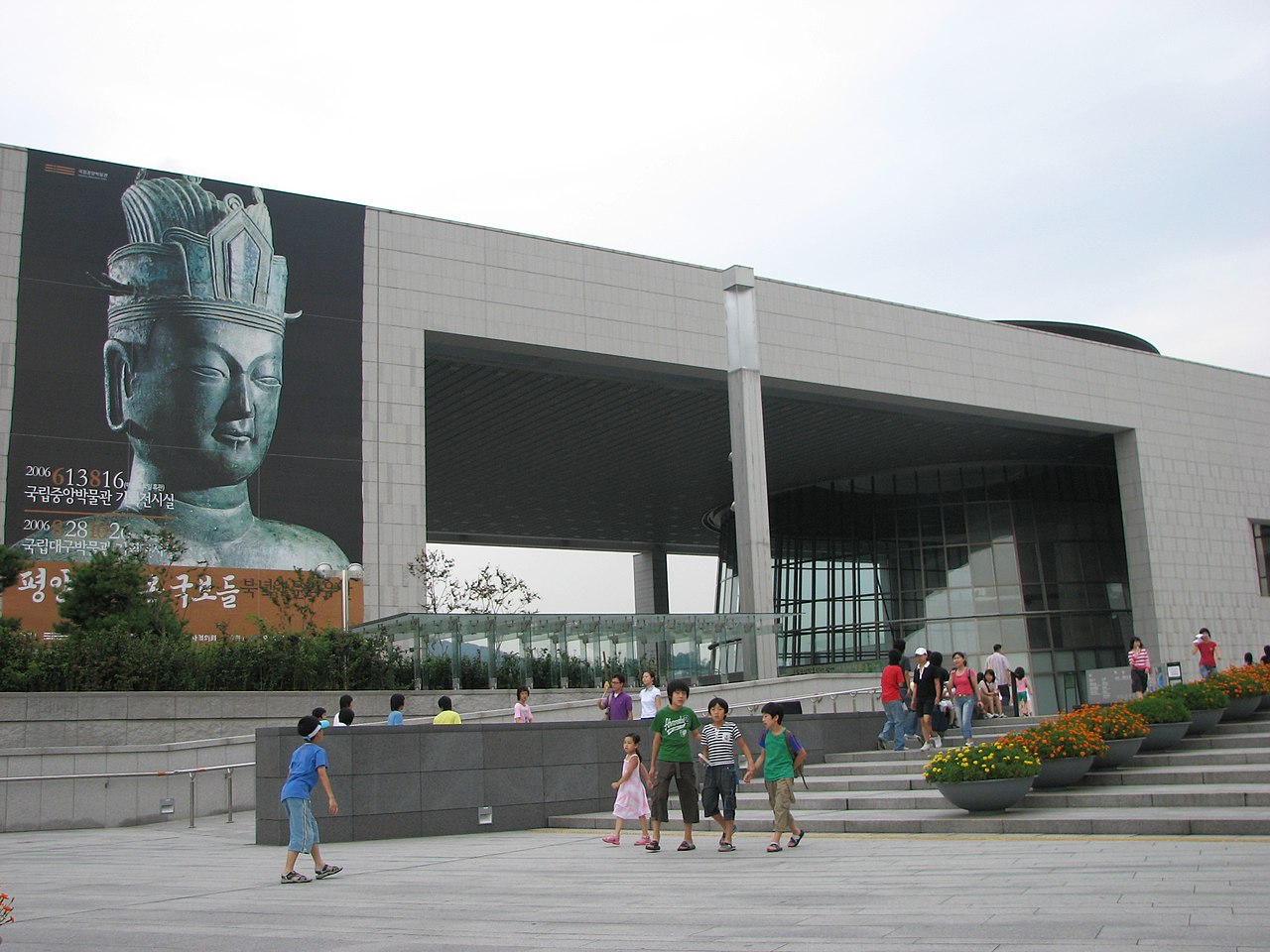





Collections and galleries
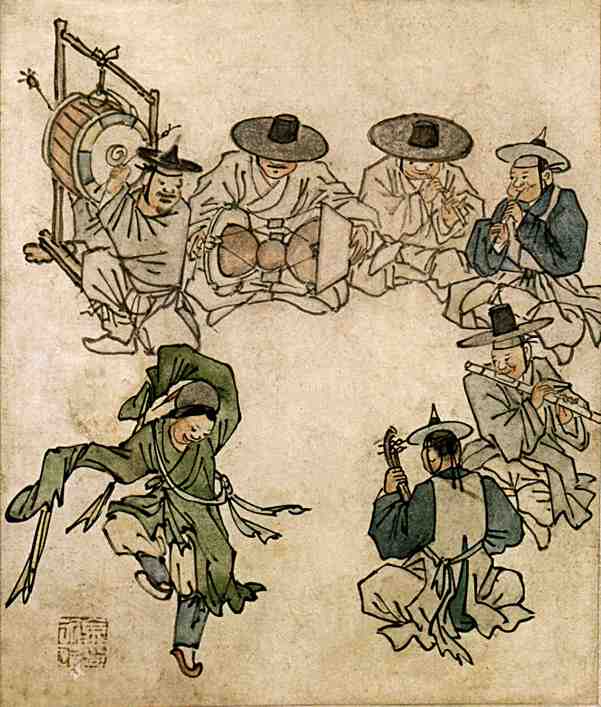
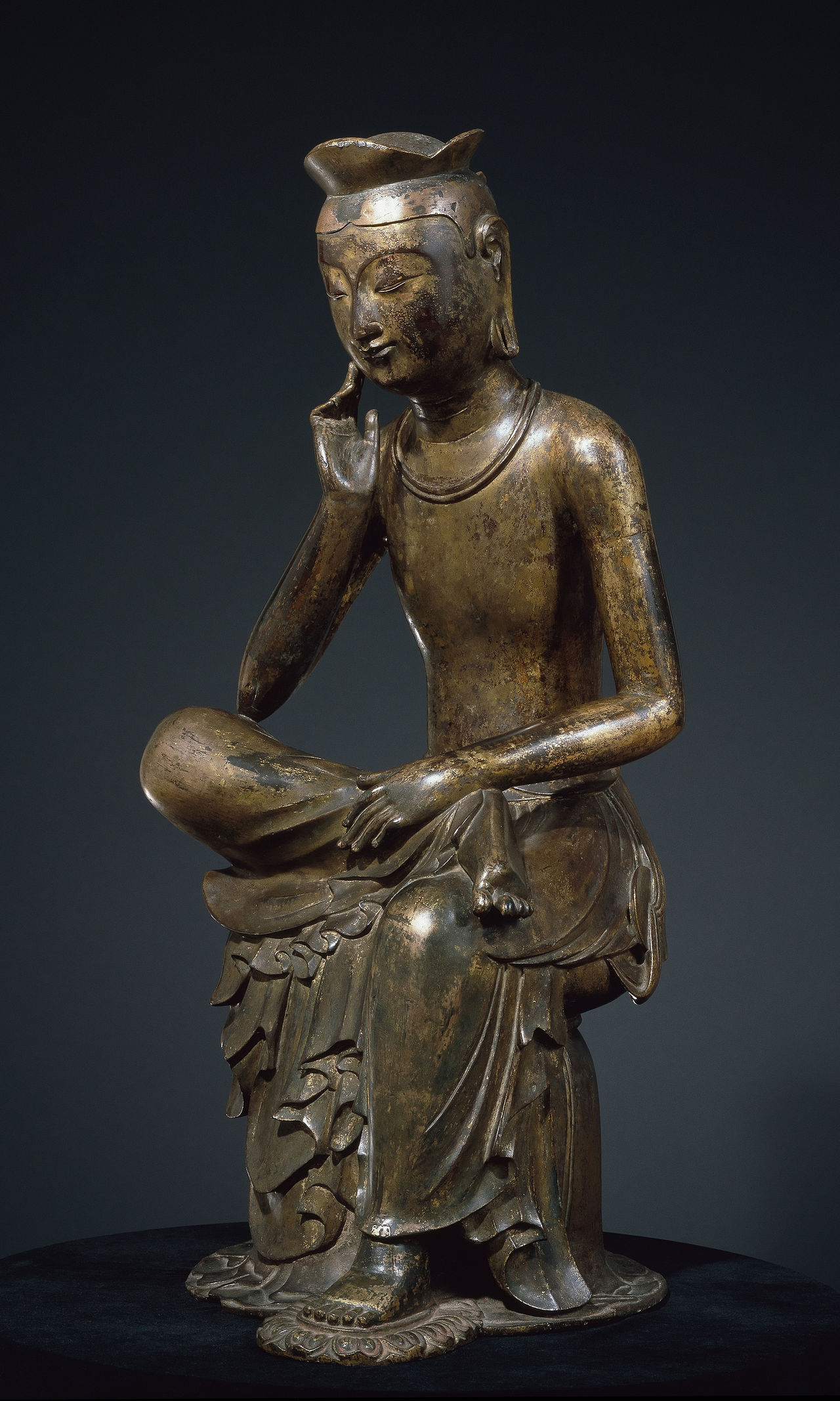
The museum’s holdings span archaeology, fine arts, Buddhist sculpture, ceramics, metalwork, paintings, calligraphy and ethnographic material. Permanent displays are organized to trace Korea’s cultural development chronologically and thematically, while temporary exhibitions explore focused topics or international loaned works. Typical gallery areas include:
- Archaeology and prehistoric artifacts
- Buddhist and religious art
- Ceramics, metalwork and decorative arts
- Paintings, calligraphy and modern cultural items
History and development
The institution was first opened in 1909 within the grounds of Changgyeong Palace, reflecting early 20th‑century efforts to preserve national history. In 2005 it moved to a purpose-built complex in Yongsan District, a relocation intended to provide larger exhibition space, modern conservation laboratories and more visitor facilities. The new building emphasizes a dialogue between traditional Korean aesthetics and contemporary museum design.
Research, conservation and public programs
Beyond exhibition, the museum operates research divisions, conservation laboratories and archival services that document, study and preserve collections. Educational outreach includes guided tours, lectures, children’s programs and publications. The museum also participates in international loans, traveling exhibitions and collaborative research to share Korean heritage abroad.
Visitors can explore indoor galleries and outdoor sculpture gardens, attend rotating special exhibitions, and consult reference resources. Practical information such as opening hours, ticketing and current exhibits is regularly updated; many visitors begin planning their visit through the museum’s official channels and announcements about major shows and loans related to the 2005 relocation and new facilities.
As the nation’s principal cultural museum, the National Museum of Korea plays a central role in preserving, interpreting and presenting Korean art and history for both specialists and the general public, and it remains a key institution for cultural exchange within East Asia and internationally.
Related articles
Author
AlegsaOnline.com National Museum of Korea — overview, collections, history and significance Leandro Alegsa
URL: https://en.alegsaonline.com/art/68660