
National Hot Rod Association (NHRA)
The NHRA is the largest drag racing sanctioning body, organizing professional and grassroots events across the United States and Canada, setting safety and technical rules, licensing competitors and promoting youth programs.
Overview
The National Hot Rod Association (NHRA) is the primary sanctioning body for drag racing in North America. Founded in 1951 to organize competition, promote safety and standardize rules, the NHRA administers a nationwide program of professional, regional and local events involving thousands of competitors, teams and officials. It is one of the largest motorsports organizations in the world, with a large membership that includes professional drivers, sportsman competitors and junior racers.
Image gallery
4 Images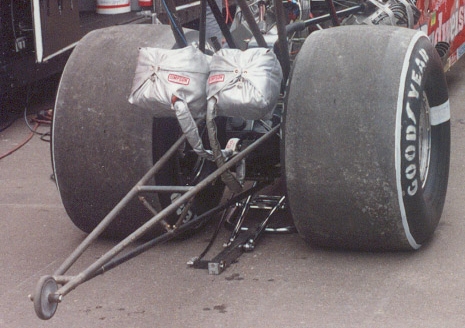


History and development
Since its founding in the mid-20th century, the NHRA has helped shape drag racing from informal, local meets into a regulated sport with national championships and established circuits. Over decades the association introduced licensing, standardized classes, and progressive safety protocols. Its growth paralleled rising interest in motorsports and performance culture across the United States and Canada.
Organization and governance
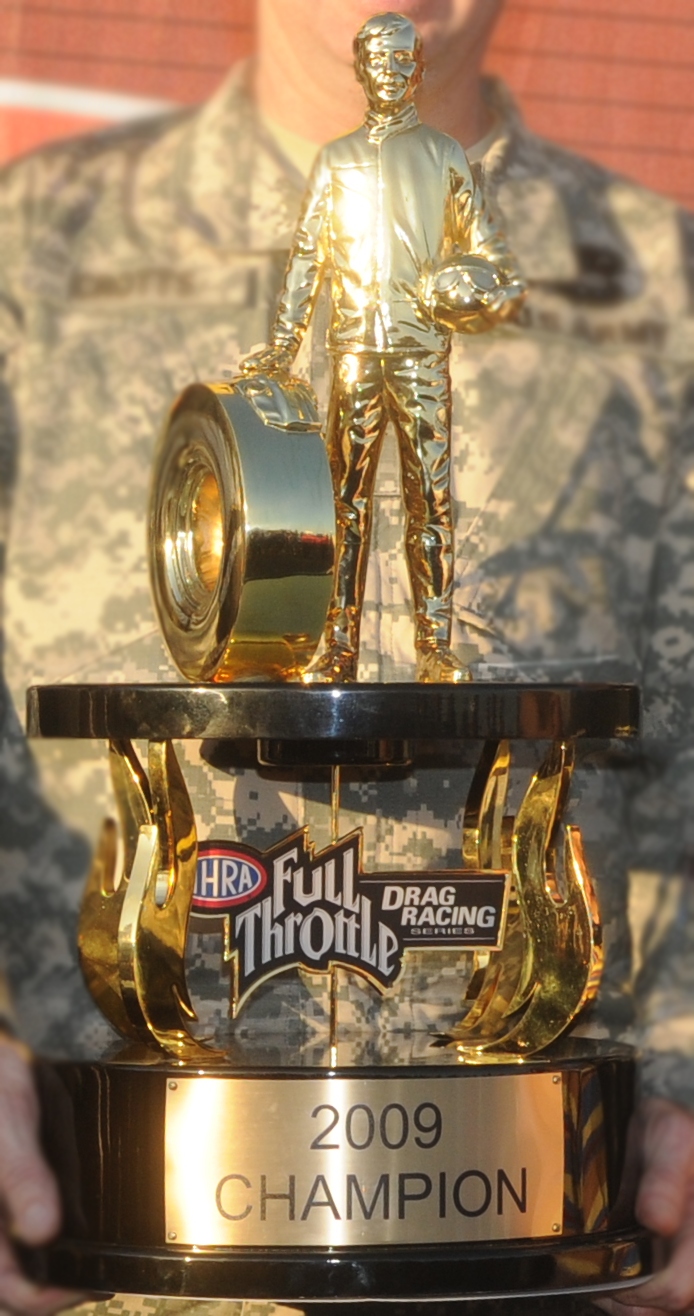
The NHRA sets technical specifications, class definitions and safety requirements for vehicles and drivers, issues licenses for competitors and officials, and manages points systems that determine season champions. Administration is organized into regional divisions that sanction local tracks and events, while a central office provides rulemaking, licensing and event coordination.
Racing classes and vehicles
Competitors race in a wide range of categories that vary by speed, technology and vehicle type. Prominent professional classes include Top Fuel, Funny Car and Pro Stock, while many sportsman and junior classes provide entry points for amateur racers and young drivers. Vehicles range from purpose-built dragsters with long wheelbases to altered production-based cars and dedicated tube-chassis machines tuned for straight-line acceleration.
Events, reach and championships
The NHRA conducts a season of national events and many regional and divisional races across the United States and Canada. Marquee races such as the U.S. Nationals in Indianapolis and season finales draw large crowds and national media attention. The association promotes a ladder of competition that enables successful sportsman racers and junior competitors to advance toward professional ranks.
Safety, rules and development programs
Safety is a central concern: mandated equipment and vehicle construction standards include roll cages, fire-resistant clothing, helmets, restraint systems and parachutes for high-speed classes, together with track safety crews and medical protocols. The NHRA also operates youth and development initiatives—commonly known as junior dragster and grassroots programs—that teach rules, vehicle preparation and safe racing techniques to new participants.
Notable features
- Rulemaking: Detailed technical and procedural rules that define classes and eligibility.
- Licensing and grading: Systems that require demonstrated ability and safety compliance for competitors.
- Grassroots to pro pathways: Structured programs that connect local racers and junior drivers to regional and national competition.
The NHRA continues to balance the spectacle of high-speed competition with regulatory and safety advances, while fostering participation across age groups and skill levels. For more information on events, divisions and membership resources consult official NHRA materials and sanctioned tracks through appropriate channels.
Related articles
Author
AlegsaOnline.com National Hot Rod Association (NHRA) Leandro Alegsa
URL: https://en.alegsaonline.com/art/68626