
National Folk Museum of Korea
Public museum in Seoul dedicated to Korean folk life, material culture, and traditions; houses permanent and rotating exhibits, educational programs, and outdoor displays in Gyeongbokgung grounds.
Overview
The National Folk Museum of Korea is a national institution in Seoul that preserves and interprets the material culture and daily life traditions of the Korean people. Located near Gyeongbok Palace in Jongno District, the museum presents artifacts, reconstructions, and multimedia displays that explain rites, seasonal customs, agricultural life, crafts, clothing, and household objects from the past several centuries.
Image gallery
10 Images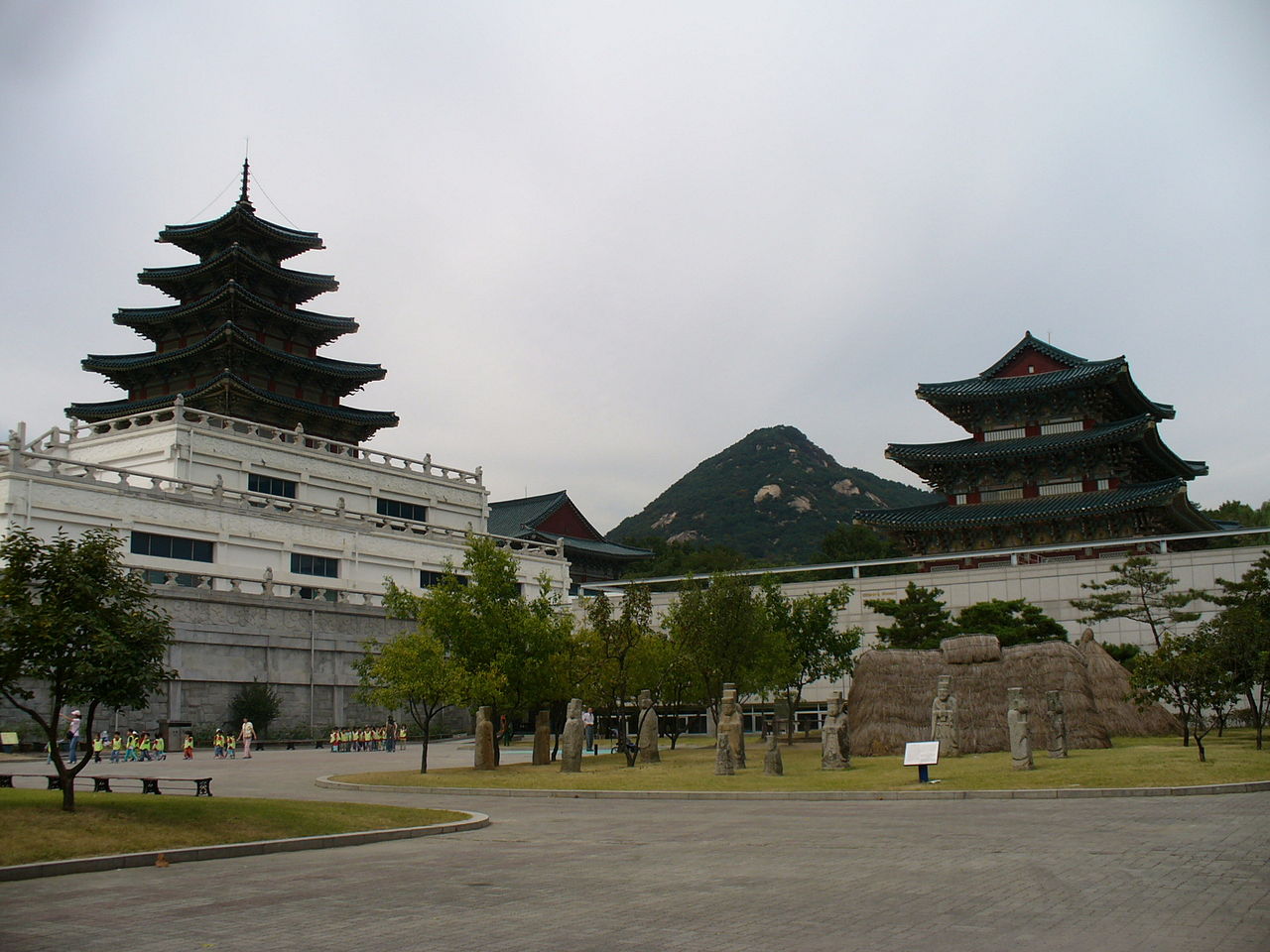




Collections and displays
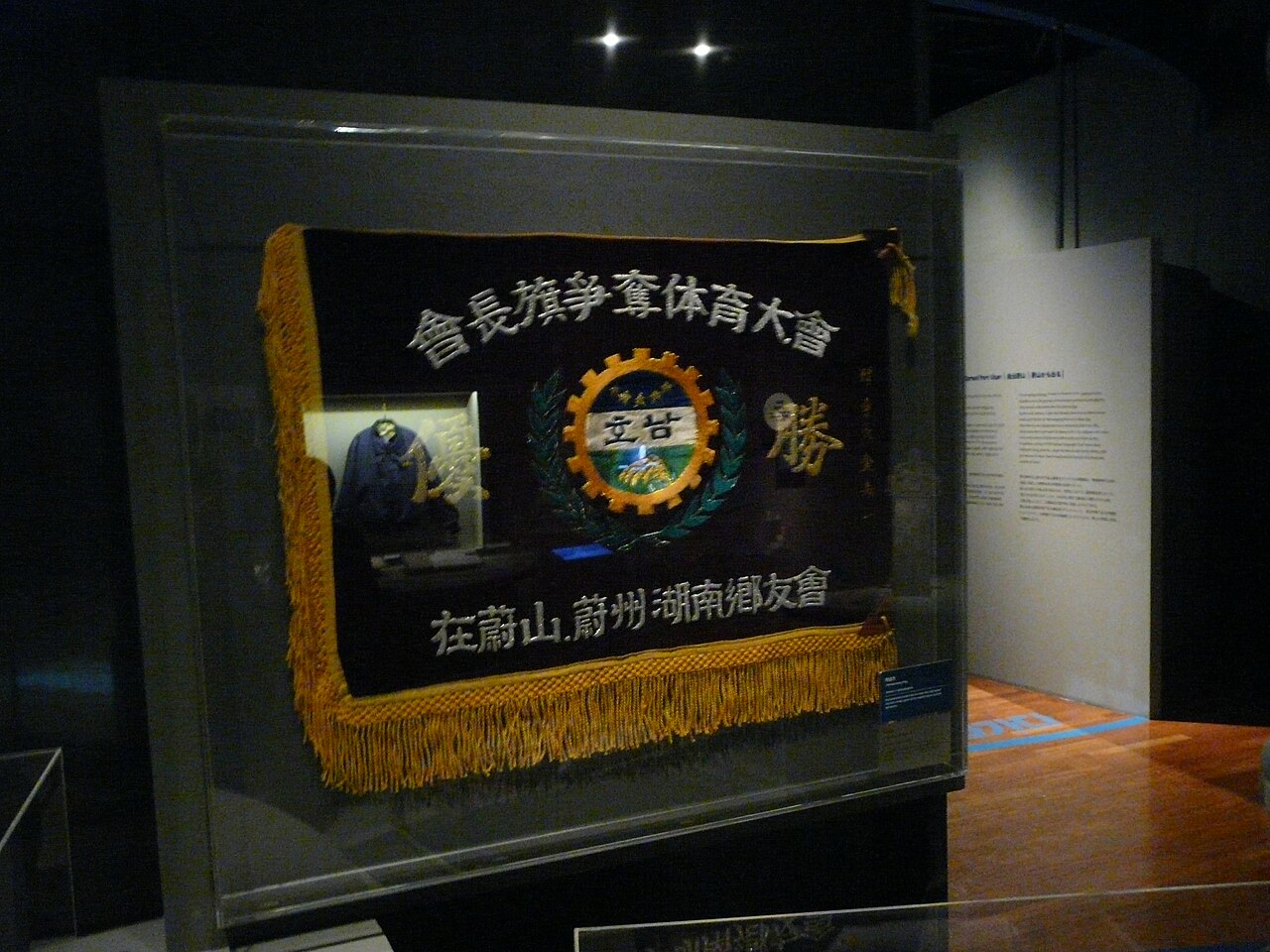
Its collections include ceramics, farming implements, religious and ritual items, textiles, tools, and models of traditional houses. Exhibitions are arranged to show both chronological change and thematic aspects of folk life. Notable features often include outdoor folk village displays, reconstructed interiors, and seasonal exhibits tied to festivals.
History and development
The museum traces its institutional origins to the mid-20th century and was reestablished in its current Gyeongbokgung location in the early 1990s. Over time it expanded from a repository of objects to a center for research, conservation, and public education about vernacular Korean traditions amid rapid modernization.
Education, research, and public programs
Educational activities are central: guided tours, hands-on workshops, lectures, and family-oriented programs explain folk practices and encourage preservation of intangible heritage. Scholars use the museum’s collections for research into social history, material culture, and ethnography.
Visiting and practical information
The museum is frequently visited by students, tourists, and researchers. For hours, special exhibitions, and admission details consult the museum’s information pages: official site. The museum’s position adjacent to Gyeongbokgung makes it easy to combine with palace and cultural-site visits; see location details at location info.
Significance
- Preserves tangible artifacts and documents of everyday life.
- Interprets seasonal and ritual customs for modern audiences.
- Serves as a resource for education and folklife research.
Related articles
Author
AlegsaOnline.com National Folk Museum of Korea Leandro Alegsa
URL: https://en.alegsaonline.com/art/68594