
Nara period (710–794)
Japanese historical era when the capital was at Nara (Heijō-kyō). A formative age for state institutions, Buddhism, art, and literature that shaped classical Japan.
Overview
The Nara period (710–794) is a formative era in early Japanese history during which the imperial capital was established at Heijō-kyō, in what is now the city of Nara. Scholars mark the period by the consolidation of a centralized, Chinese-style state and wide adoption of Buddhism as a major political and cultural force. The era links ancient Yamato traditions with the courtly civilization that followed.
Image gallery
6 Images


Government and administration
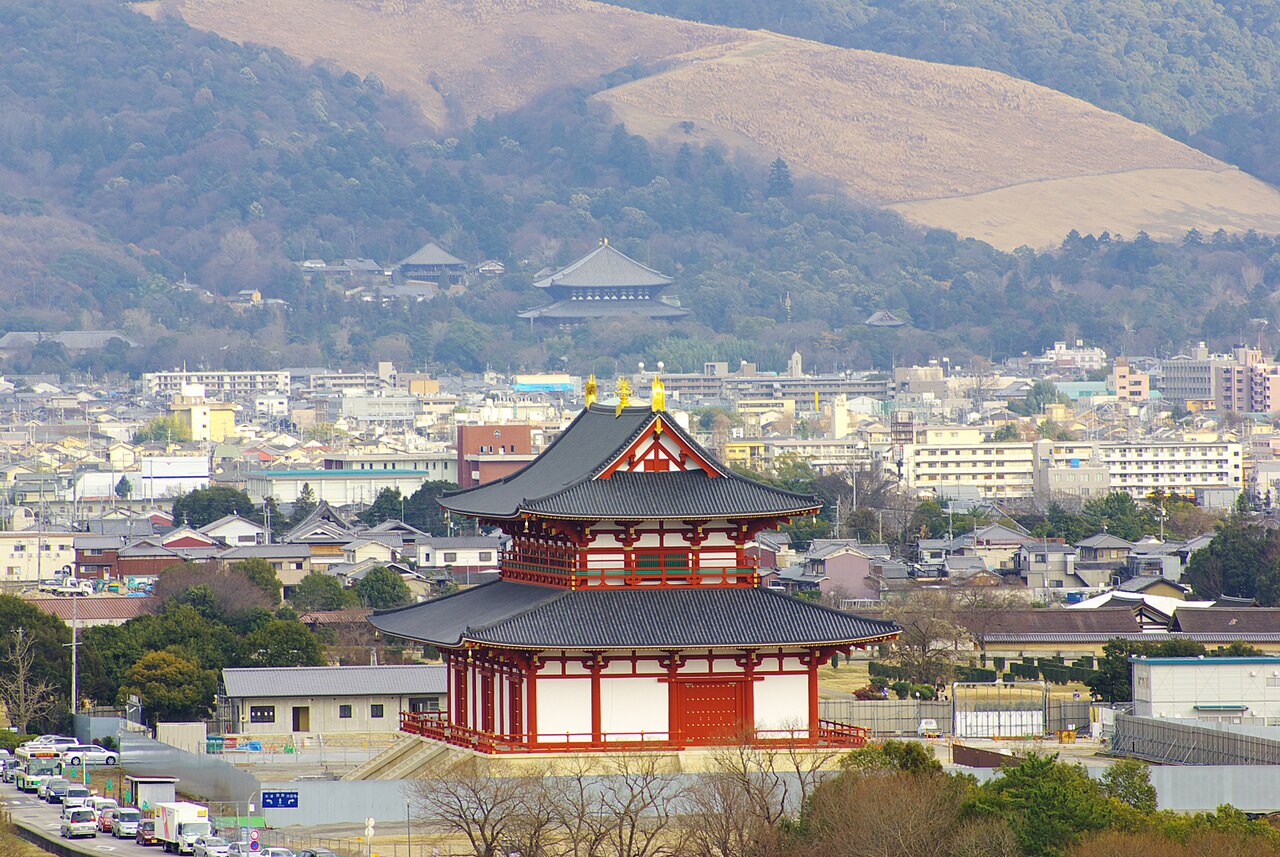
Rulers based policy on a ritsuryō framework: a set of laws and administrative codes modeled on Tang China. Central ministries, provincial governors, and a census-and-tax system were put into practice to manage land and labor. The permanent capital was laid out on a grid plan influenced by Chinese urban design, intended to symbolize orderly government across the realm.
Religion, art and literature
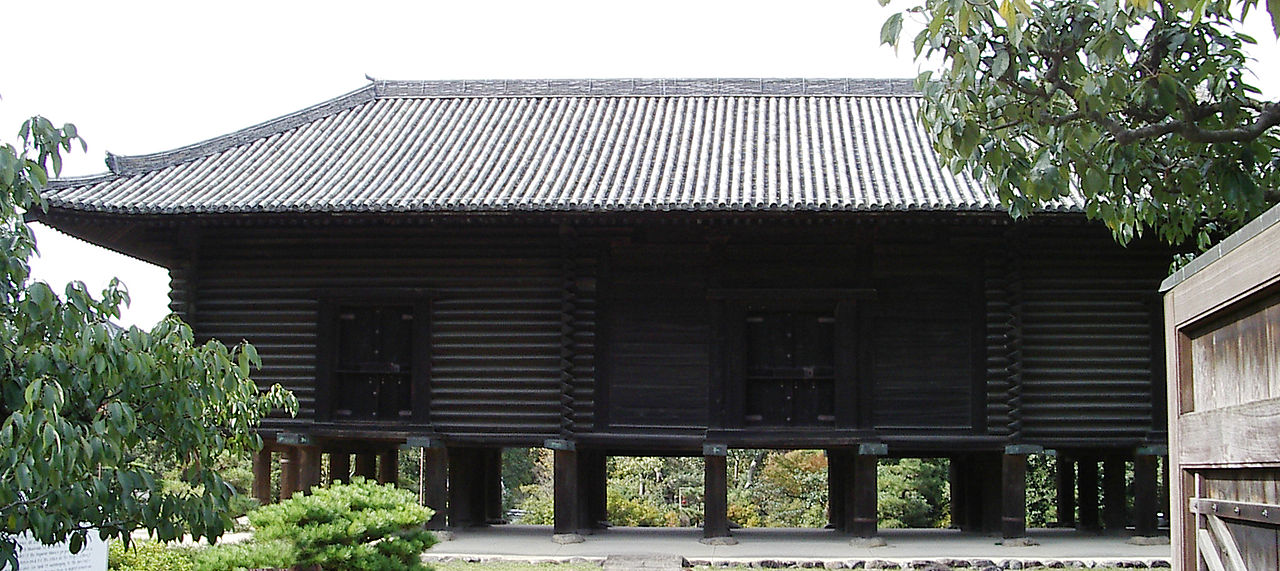
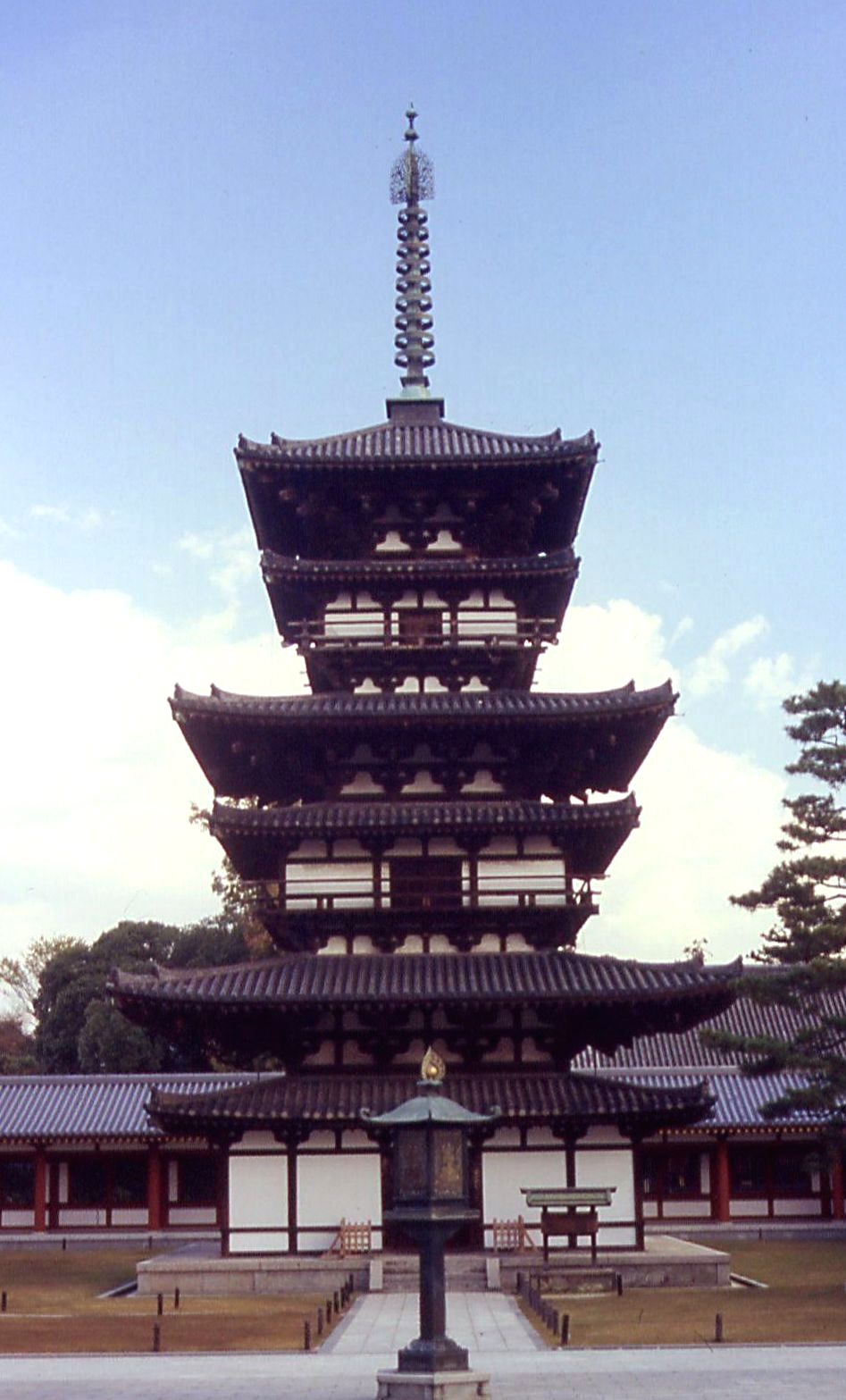
Buddhism became closely tied to the state; the court sponsored large temple complexes, imperial rites, and major sculpture projects. Notable constructions from the era include monumental temple architecture and Buddhist statuary. Literary works compiled in the early eighth century—such as historical chronicles and anthologies of poetry—established written standards for court culture and national history.
Society and economy
Economic life combined agriculture, state-managed land allotments, and developing craft production. Artisans produced sophisticated metalwork, ceramics and lacquer. Provincial temples and the court stimulated long-distance exchange and the circulation of ideas and goods from the Asian continent.
End of the period and legacy
The Nara period ended when the capital was moved away from Heijō-kyō toward the end of the eighth century, a change intended to recalibrate political authority and court life. Its legacy includes institutional precedents, religious institutions, monumental art, and foundational texts that deeply influenced the later Heian court and the broader trajectory of Japanese culture.
Notable facts
- Heijō-kyō was modeled on Chinese capitals and served as a permanent seat of government for decades.
- The era saw the compilation of national chronicles and poetic anthologies that remain central to classical studies.
- Buddhist establishments received imperial patronage and played political and cultural roles in society.
- For further reading on Japan and the city that gave the period its name, see general resources about Japan and Nara.
Related articles
Author
AlegsaOnline.com Nara period (710–794) Leandro Alegsa
URL: https://en.alegsaonline.com/art/68356
Sources
- books.google.com : Japan Encyclopedia
- lcweb2.loc.gov : Library of Congress Country Studies, Japan
- lcweb2.loc.gov : "Nara and Heian Periods"
- books.google.com : 愚管抄: A Translation and Study of the Gukansho, an Interpretative History of Japan Written in 1219
- books.google.com : Japan Encyclopedia
- books.google.com : Japan Encyclopedia
- books.google.com : Japan Encyclopedia
- books.google.com : Japan Encyclopedia
- books.google.com : Japan Encyclopedia
- books.google.com : Japan Encyclopedia
- books.google.com : 愚管抄: A Translation and Study of the Gukansho, an Interpretative History of Japan Written in 1219