
National Air and Space Museum
Smithsonian museum on the National Mall with the world's largest collection of historic aircraft and spacecraft, plus research, restoration, and educational programs.
Overview
The National Air and Space Museum is a Smithsonian museum located on the National Mall in Washington, D.C. It houses one of the world's most extensive collections of historic aircraft and spacecraft and regularly draws more than five million visitors each year. The institution presents the story of human flight and space exploration through artifacts, exhibits, and public programs. For official visitor information see the museum pages: National Mall location and Smithsonian overview.
Image gallery
10 Images




Collections and notable artifacts
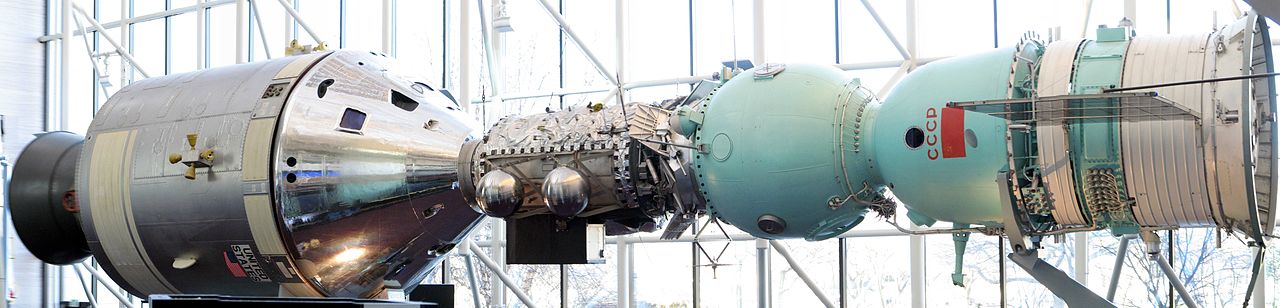
The museum's holdings span early experimental airplanes to modern rockets and satellites. Its collections include prototypes, factory and cockpit components, scientific instruments, and archival materials that document technological, military, and civilian aviation as well as spaceflight. Some of the most famous artifacts on display are:
- Wright Flyer — the machine associated with the first powered flights.
- Apollo 11 Command Module — the capsule that returned the crew to Earth after the first Moon landing.
- Spirit of St. Louis — Charles Lindbergh's transatlantic aircraft.
- Space Shuttle Enterprise — a test orbiter preserved at the museum's secondary facility.
History and locations
The museum traces its origins to mid-20th-century Smithsonian efforts to preserve aeronautical artifacts. The National Mall building opened in the 1970s as a central exhibition space. To expand storage, restoration, and display capacity, the Smithsonian opened the Steven F. Udvar-Hazy Center near Washington Dulles International Airport in the early 2000s; this facility houses large aircraft and a conservation hangar. Together the two sites form the operational core of the museum's public and curatorial work. More details on visiting each site are available at visit information.
Research, conservation, and education
Beyond displays, the museum is active in artifact conservation, aviation and space history research, and STEM education. Curators and conservators restore fragile airframes, stabilize space hardware, and maintain detailed records that support scholarship. Educational offerings include guided tours, hands-on exhibits, planetarium programs, and school resources designed to engage learners of all ages. Outreach and research initiatives are described on the museum's program pages: programs and research.
Visiting and significance
The museum is frequently recommended for visitors interested in engineering, exploration, and the cultural impact of flight. Galleries are organized to highlight milestones, technology, design, and the human stories behind achievements in aviation and spaceflight. Practical visitor tips include checking exhibit schedules, arriving early for popular galleries, and considering a trip to the Udvar-Hazy Center for large aircraft and the restoration hangar.
Notable distinctions
As a repository of some of the most historically significant aeronautical and space artifacts, the National Air and Space Museum plays a central role in preserving and interpreting the history of flight. Its combination of public galleries, conservation facilities, and research programs makes it a leading institution for understanding how aviation and space exploration have shaped modern life.
Related articles
Author
AlegsaOnline.com National Air and Space Museum Leandro Alegsa
URL: https://en.alegsaonline.com/art/68507