
National Alliance on Mental Illness: U.S. nonprofit for education, advocacy, and support
National Alliance on Mental Illness (NAMI) is a U.S. nonprofit that provides education, peer-led support, and advocacy through local affiliates to help people with serious mental health conditions and their families
National Alliance on Mental Illness (NAMI), previously called the National Alliance for the Mentally Ill, is a nonprofit advocacy group based in the United States. It was established in 1979 to support individuals living with serious mental illnesses and to assist their families and caregivers.
Image gallery
2 Images
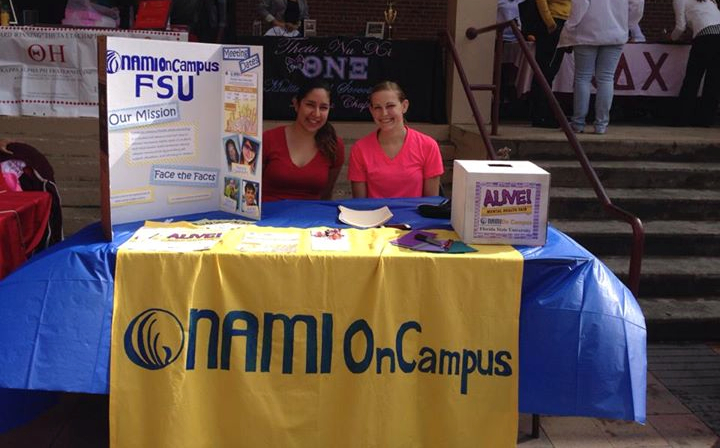
Scope and membership
NAMI reports a membership exceeding 200,000 people and maintains offices in every U.S. state. The organization works through roughly 1,200 state and local affiliates that provide services and outreach at the community level. Much of NAMI’s day-to-day activity is carried out by volunteers, giving it a grassroots character.
Activities and programs
The group focuses on three main areas: education, support, and public advocacy. Its affiliates commonly offer peer-led support groups, family education programs, and resources for navigating mental health services. NAMI also engages in public awareness efforts designed to reduce stigma and to promote access to effective treatment and care.
Structure and governance
NAMI operates with a national office that coordinates policy work, public campaigns, and training materials, while state and local affiliates deliver programs directly to communities. Governance typically includes a board of directors and an executive staff; volunteers and family members routinely contribute to governance and service delivery.
Advocacy and public role
On the national level, NAMI advocates for legislative and policy changes intended to improve mental health care, increase funding for services, and protect the rights of people with serious mental health conditions. At the community level, affiliates work with providers, schools, and local governments to expand supports and information.
NAMI remains one of the largest grassroots organizations in the United States focused on serious mental health challenges, combining local programming with national advocacy to support affected individuals and their families.
Related articles
Author
AlegsaOnline.com National Alliance on Mental Illness: U.S. nonprofit for education, advocacy, and support Leandro Alegsa
URL: https://en.alegsaonline.com/art/68512
Sources
- nami.org : NAMI About Us
- america.gov : NAMI Start
- veterans.senate.gov : NAMI and U.S. Govt.
- nami.org : "Joyce Burland, Ph.D."
- ncbi.nlm.nih.gov : "Outcomes of a Randomized Study of a Peer-Taught Family-to-Family Education Program for Mental Illness"
- doi.org : 10.1176/ps.62.6.pss6206_0591
- pubmed.ncbi.nlm.nih.gov : 21632725
- doi.org : 10.1111/j.1600-0447.2012.01901.x
- doi.org : 10.1007/s10464-008-9195-7
- pubmed.ncbi.nlm.nih.gov : 18597167
- doi.org : 10.1176/appi.ps.002912012
- pubmed.ncbi.nlm.nih.gov : 23633161
- doi.org : 10.5080/u7194
- pubmed.ncbi.nlm.nih.gov : 24590847