
National Mall (Washington, D.C.): overview, history, and uses
The National Mall is a central open park in Washington, D.C., stretching between the U.S. Capitol and the Washington Monument. It hosts museums, memorials, public events, and millions of annual visitors.
The National Mall is the long, largely open parkland in the heart of Washington, D.C., that runs roughly between the United States Capitol and the Washington Monument. Its open green lawns, promenades and tree-lined vistas form a civic backbone for the federal city and create a strong visual axis connecting major monuments, museums and government buildings. The distance between the Capitol and the Washington Monument is about one mile, which helps visitors orient themselves when exploring the central core of the capital.
Image gallery
10 Images
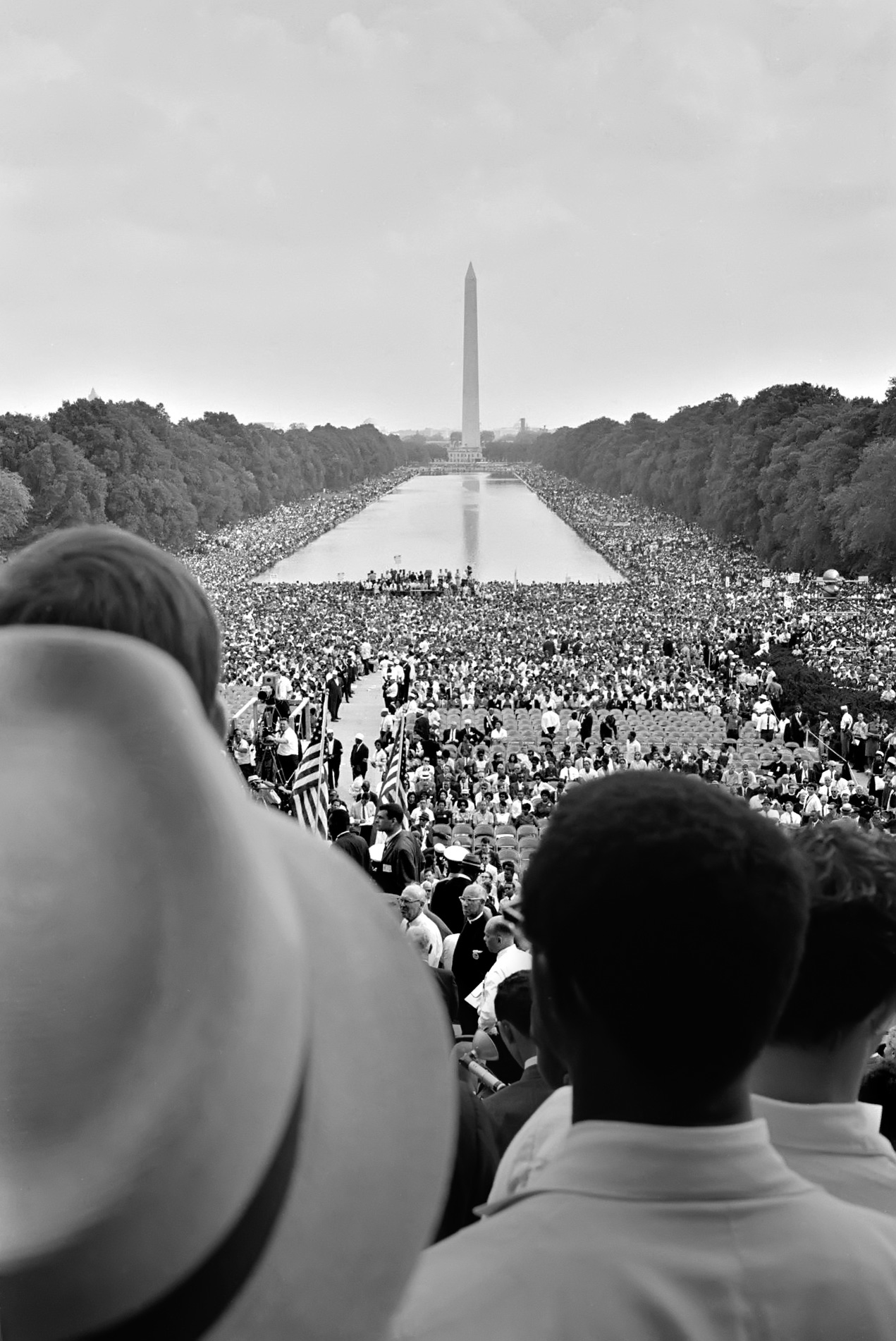


Layout, monuments and institutions
The Mall is not a single building but a stitched landscape of formal lawns, memorials, reflecting pools and museum buildings. Prominent elements include the Lincoln Memorial, the World War II Memorial and other memorials arrayed on both ends of the Mall. Numerous museums flank the Mall, most notably the Smithsonian museums and the National Gallery of Art; these cultural institutions hold collections that draw steady visitor traffic and educational programming.
Use and public life
As an urban public space the Mall accommodates a wide variety of activities. People use it for walking, jogging and informal recreation, as well as guided tours and school visits. It is a frequent venue for larger gatherings: concerts, seasonal festivals, cultural celebrations and political demonstrations all take place on the grounds. The Mall’s scale and visibility make it a preferred location for national ceremonies and civic events.
History, planning and management
The Mall’s appearance and function have evolved since the late 18th and 19th centuries as planners and federal authorities defined the capital’s layout. The open central park reflects early design ideas about grand avenues and vistas in federal capitals. Today the National Park Service and other agencies manage the grounds, balancing conservation of monuments, visitor services and the logistical demands of large events.
Notable facts and visiting tips
- The space attracts millions of visitors each year and is one of the most visited public landscapes in the United States.
- Facilities and hours vary by site; many of the Smithsonian museums are free and clustered along the Mall.
- Because it is an active public realm, expect a mix of daily recreation, tourism and occasional large-scale events.
Further links and resources
- Official Mall map and visitor information
- City and transportation guidance for Washington, D.C.
- Smithsonian museum collection and hours
- U.S. Capitol visitor information
- Washington Monument and monument details
- Recreation and park services
- Music and performance events on the Mall
- Festival schedules and special events
- History of public demonstrations and civic gatherings
Questions and answers
Q: What is the National Mall?
A: The National Mall is an open park in the city center of Washington, D.C. with many museums and other attractions.
Q: Where is it located?
A: The National Mall is located between the United States Capitol and the Washington Monument, which are about one mile apart.
Q: What activities take place at the National Mall?
A: People use the National Mall for exercise, recreation, music concerts, festivals, and protests.
Q: How popular is it?
A: The National Mall is very popular - over 25 million people visit each year.
Q: Are there any museums on the grounds of the mall?
A: Yes, there are many museums on the grounds of the mall including Smithsonian and National Gallery of Art.
Q: Is there a fee to enter or visit any attractions at the mall?
A: No, there is no fee to enter or visit any attractions at the mall.
Q: Does anyone else besides tourists visit this area? A: Yes, locals also come to use it for exercise, recreation, music concerts, festivals and protests.
Related articles
Author
AlegsaOnline.com National Mall (Washington, D.C.): overview, history, and uses Leandro Alegsa
URL: https://en.alegsaonline.com/art/68652
Sources
- usatoday.com : "Private donations sought for National Mall"
- nps.gov : "Cherry Blossom History"
- smithsonianmag.com : "A Brief History of Pierre L'Enfant and Washington, D.C."
- washingtonian.com : "Turning Points: Moments in DC's History"
- news.bbc.co.uk : "1969: Millions march in US Vietnam Moratorium"