
Nath (Nath Sampradaya): history, beliefs, and practices
Overview of the Nath (Nath Sampradaya), a Shaiva tradition known for yoga, siddha practices, and tantric influence; origins, major figures, practices, institutions, and regional presence.
Overview
The Nath (Nath Sampradaya) is a historical tradition within the broad Shaiva fold of South Asian religiosity. It is best known for its emphasis on yogic disciplines, the cultivation of siddhis or perfected capacities, and a synthesis of tantric, mantra, and ascetic practices. Nath communities have functioned as monastic orders, itinerant ascetics, and temple custodians, and they have played a significant role in the transmission of Hatha yoga and other yoga lineages.
Image gallery
10 Images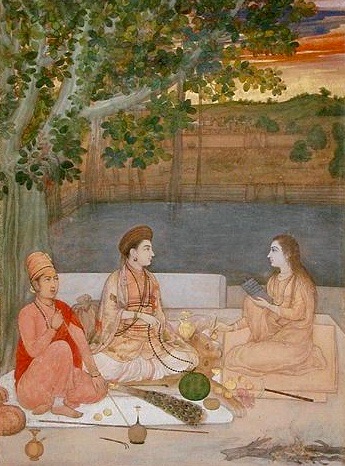





Origins and key figures
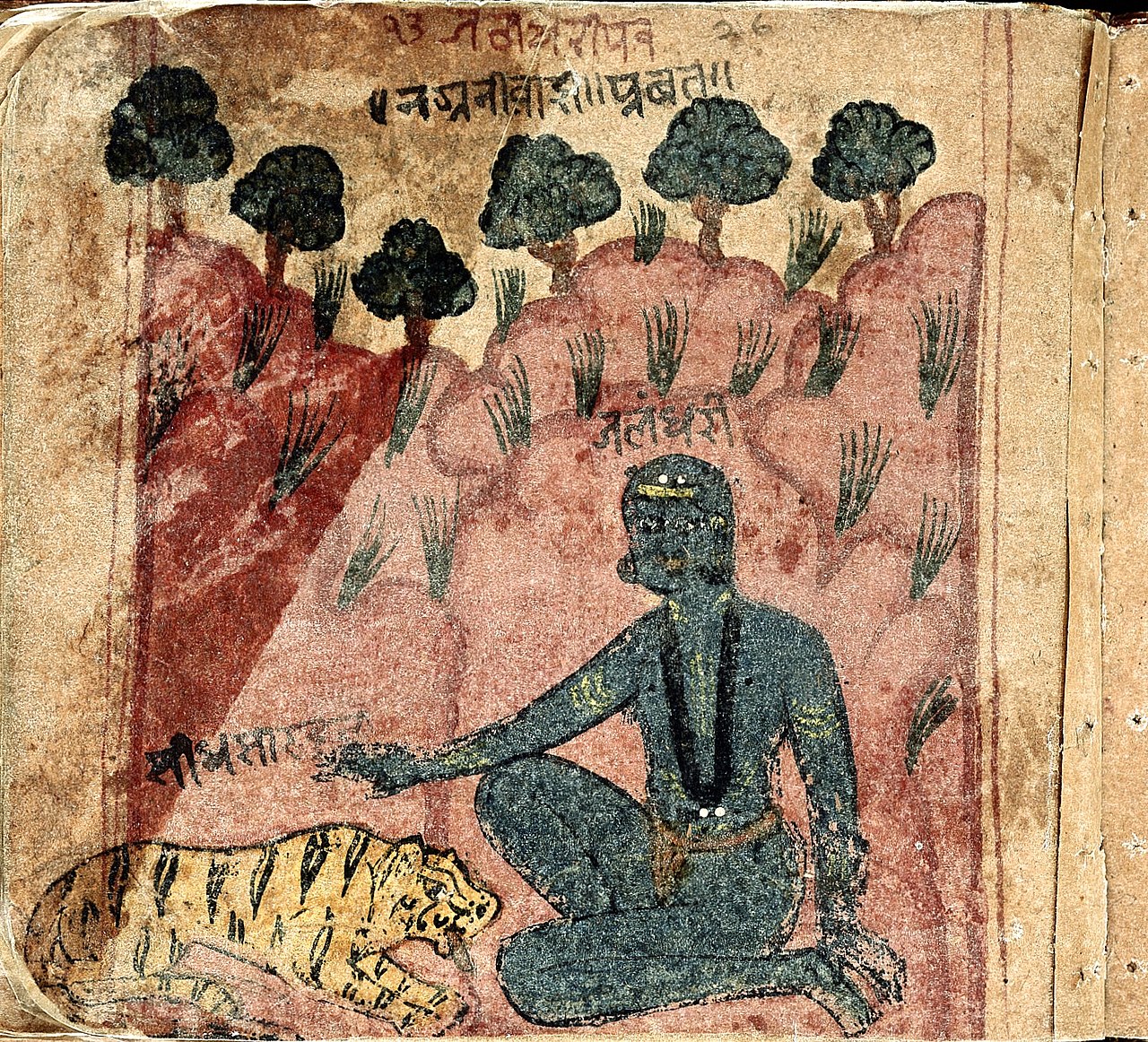
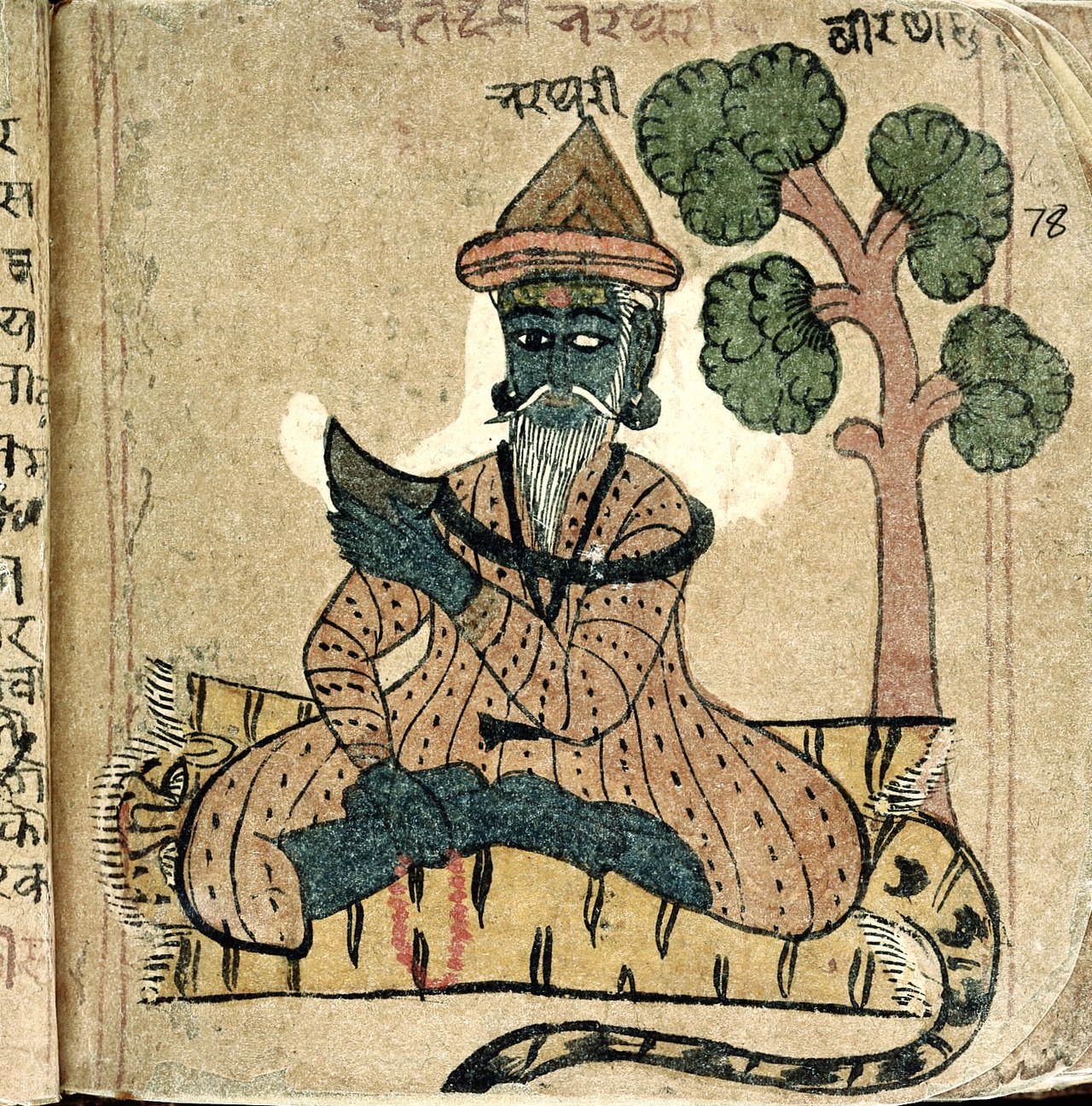
Traditional accounts trace the spiritual lineage of the Naths to earlier figures such as Dattatreya, who in some texts is considered an "Adi-Guru" or archetypal teacher. Historical and hagiographic sources name Matsyendranath (Matsyendra) and Gorakhnath (Gorakshanath) as formative teachers who organized and systematized Nath practices. Gorakhnath, in particular, is associated in many regional traditions with the consolidation of techniques later classified as Hatha yoga and siddha methods. These accounts combine mythic and historical elements; beliefs about incarnations and supernatural powers are part of the sect's internal narrative, while academic studies treat those accounts as devotional literature and lineage claims.
Teachings and practices
Nath practice centers on disciplined breath and body techniques, meditation, and ritual methods drawn from tantra and mantra traditions. Emphases include hatha and raja yoga methods aimed at bodily purification and inner transformation; the pursuit of siddhis (extraordinary faculties) appears in some texts and biographies as a byproduct of advanced practice. The term Tantrik is sometimes applied to practitioners who use esoteric ritual, but not every Nath identifies primarily as a tantrika, and practices vary widely between lineages and regions.
Organization, institutions, and regional presence
Nath groups have traditionally organized in regional monasteries, akharas, and as networks of teacher–disciple relationships rather than a single centralized institution. They are prominent in parts of northern and central South Asia; contemporary concentrations include areas of Uttar Pradesh and Uttarakhand in India and parts of Bengal and Nepal. Some Nath figures and communities are associated with the Naga sadhus and other mendicant orders that appear at large religious gatherings such as the Kumbh and other melas.
Influence, distinctions, and modern relevance
The Nath tradition has influenced classical and vernacular literature, temple culture, and the history of yoga. Its textual and practical heritage contributed to the development of Hatha yoga manuals that later circulated widely. Distinguishing features include a distinctive guru–śishya (teacher–student) lineage model, combined ascetic and yogic training, and an openness to adopting ritual and meditational techniques from diverse sources. In modern times, Nath institutions continue to run temples, mathas, and educational activities, and many contemporary yoga teachers acknowledge the tradition among the historical streams that shaped modern practice.
Further reading and resources
- Nath Sampradaya overview and history
- Accounts of Dattatreya and early lineage legends
- Contemporary practice and presence in Uttarakhand
- Nath communities and institutions in Uttar Pradesh
- Nath influence in Bengal and neighbouring regions
Note: Descriptions of miraculous abilities or divine incarnations belong to the tradition's devotional literature. Scholarly work treats those claims as part of religious identity and hagiography rather than empirical history.
Related articles
Author
AlegsaOnline.com Nath (Nath Sampradaya): history, beliefs, and practices Leandro Alegsa
URL: https://en.alegsaonline.com/art/68490