
Napoleonic era (1799–1815): origins, reforms, wars and legacy
Period of European history dominated by Napoleon Bonaparte (1799–1815), marked by political reform, widespread warfare, and long-lasting legal and institutional changes across the continent.
Overview
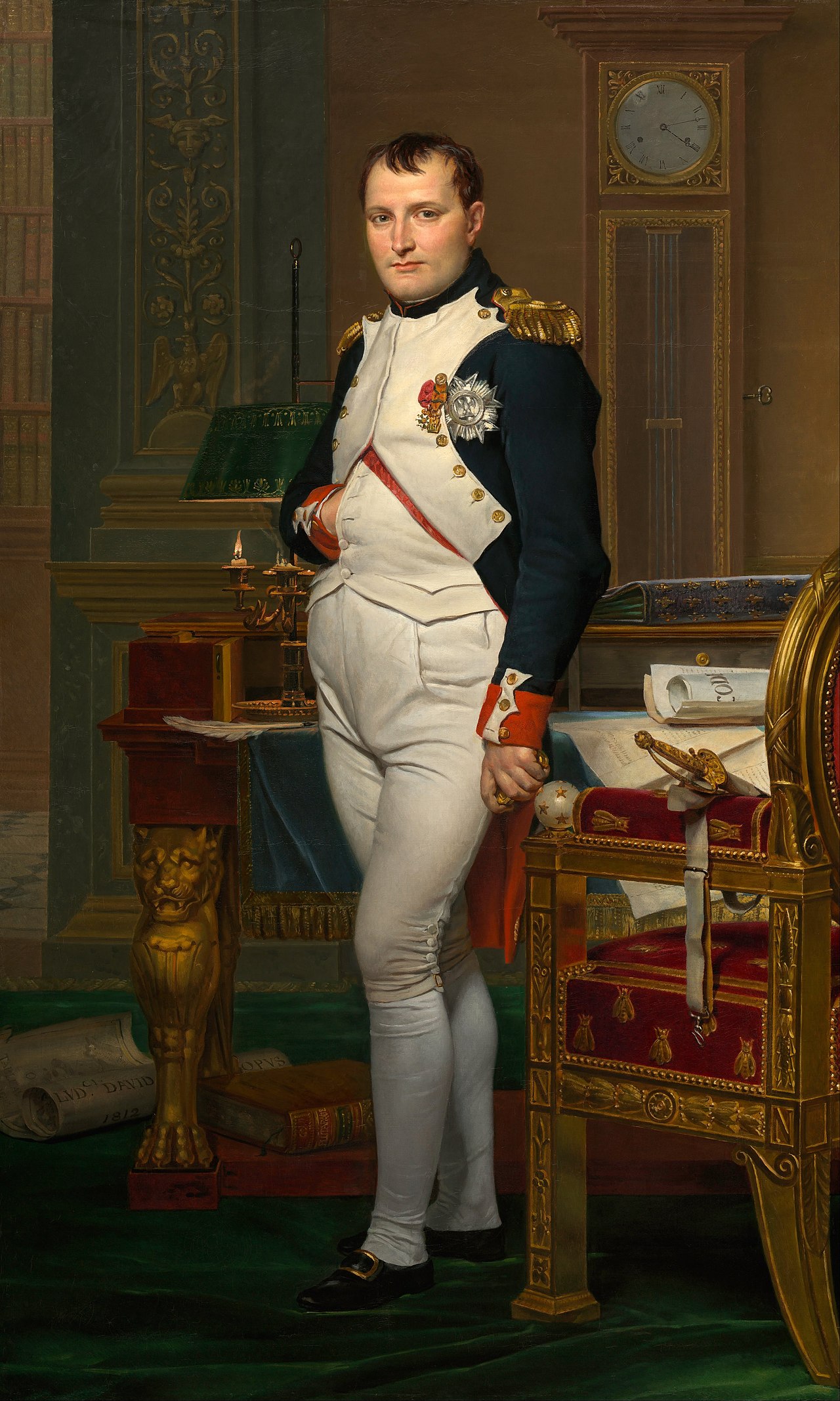
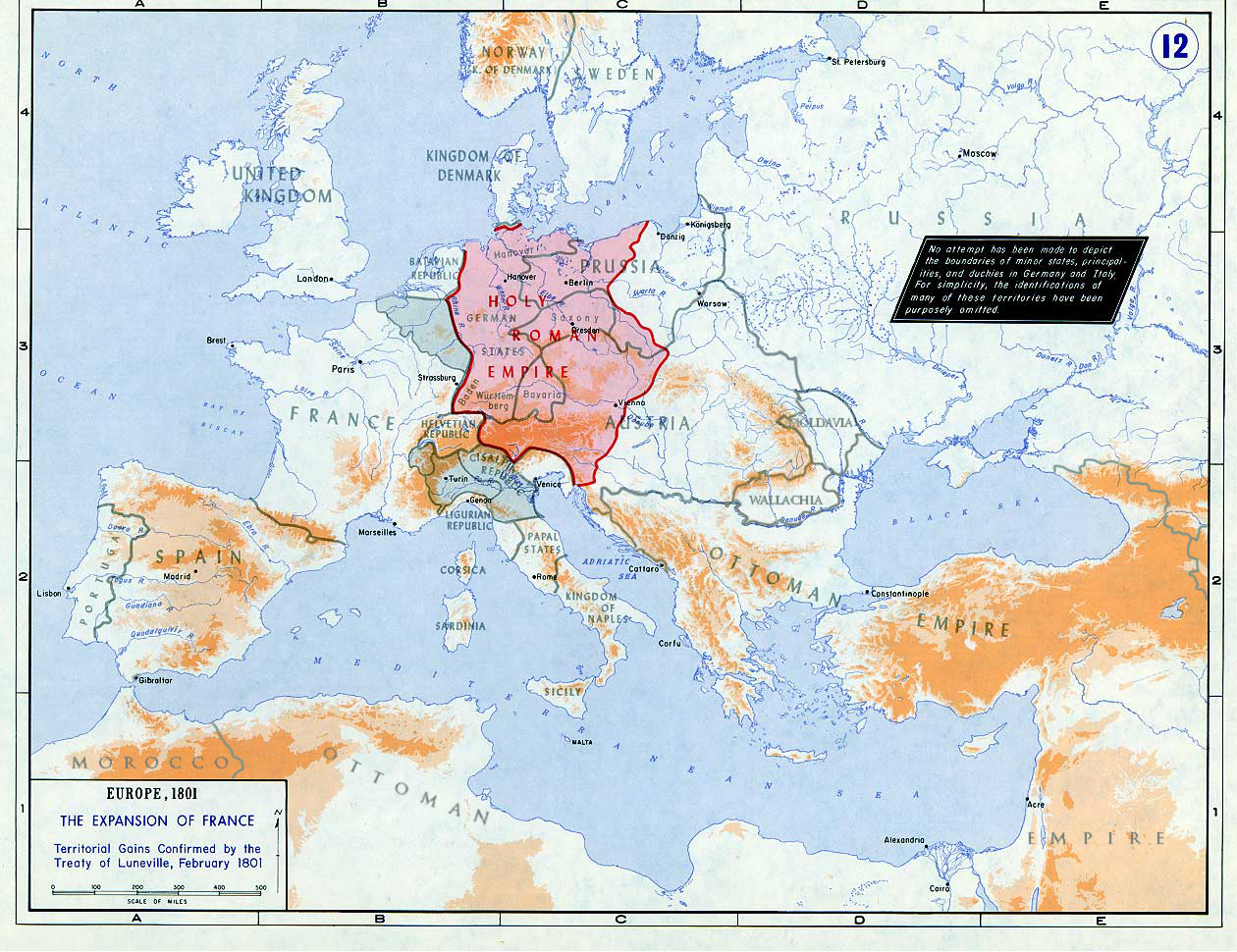
The Napoleonic era refers to the period in European history when Napoleon Bonaparte rose from a leading military and political figure of revolutionary France to become First Consul and later Emperor, reshaping the political map of Europe between roughly 1799 and 1815. It forms the final major phase of the wider upheaval that began with the French Revolution. The era concluded after Napoleon's return in the Hundred Days and his defeat at the Battle of Waterloo, followed by settlement at the Congress of Vienna.
Image gallery
10 Images




Political and administrative changes
Domestically, Napoleon consolidated many revolutionary gains while restoring order through a strong central state. He promoted meritocratic administration, reorganized taxation and the civil service, and created institutions that survived long after his fall. The most durable legacy is the Napoleonic Code, a codified body of civil law that influenced legal systems in many parts of Europe and beyond.
Military conflict and strategy
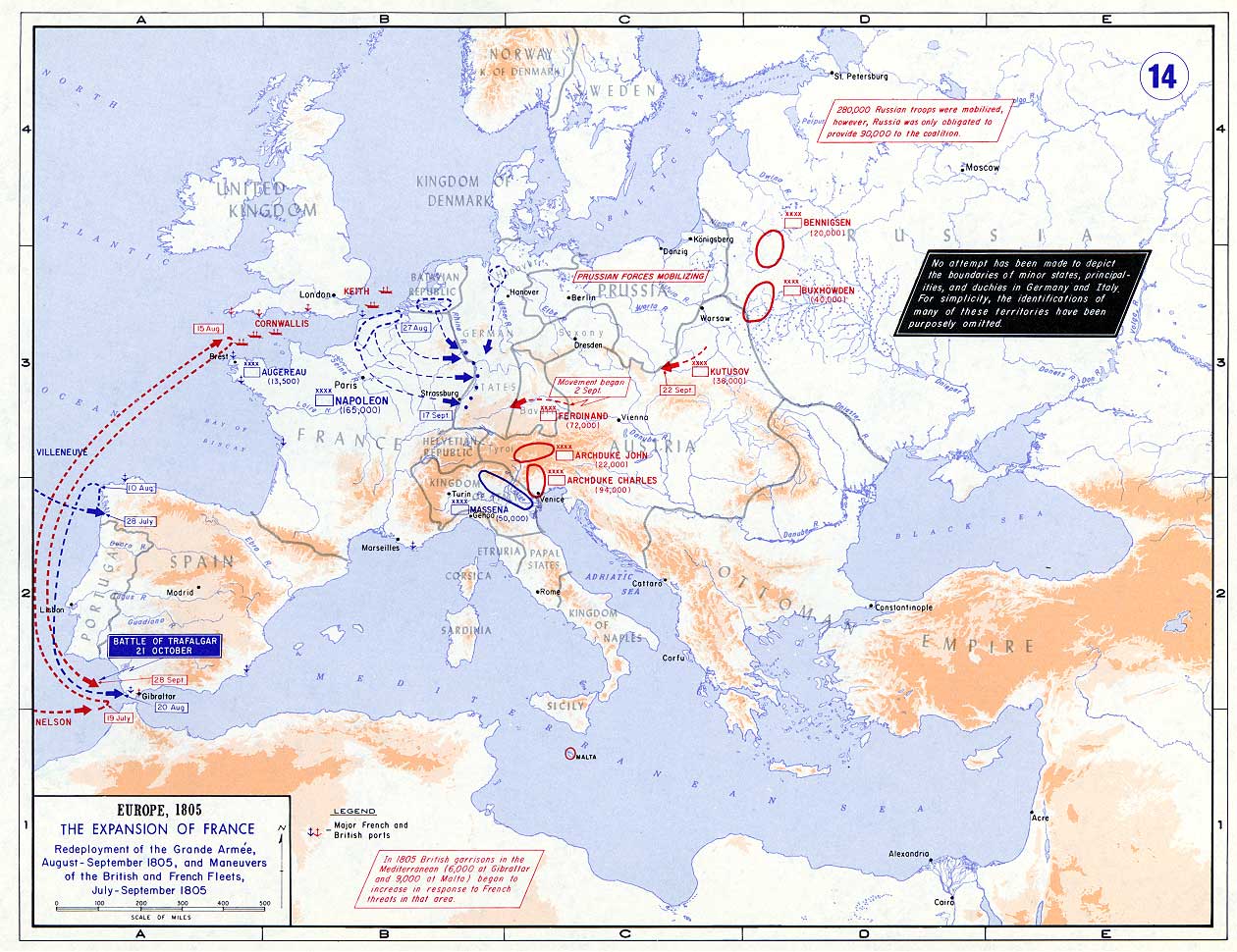
Warfare defined much of the period: coalition wars pitted France against various combinations of European powers. Napoleon's campaigns introduced operational innovations in corps organization, mobility and logistical planning. His successes expanded French influence across large parts of Europe, but prolonged conflict, strategic overreach and coalition diplomacy eventually led to reversals.
Key features and examples
- Reforms: legal codification, centralized administration, educational and fiscal reforms.
- Military: rapid maneuver warfare, large conscripted armies, notable campaigns in Italy, Central Europe, Spain and Russia.
- Diplomacy: satellite states, dynastic rulings, and attempts to isolate Britain economically (Continental System).
Consequences and legacy
The Napoleonic era accelerated the spread of ideas associated with the Revolution—legal equality before the law, secular administration, and nationalist sentiment—while also prompting conservative reaction. The settlement at the Congress of Vienna sought to restore balance and monarchy, but the administrative and legal changes introduced during Napoleon's rule continued to shape European states in the 19th century.
Notable distinctions and facts
Though often remembered for sweeping military campaigns, the era combined warfare with extensive state building. Its legacy is mixed: institutional modernisation on one hand, and the human and economic costs of almost continuous war on the other. For further reading on the revolutionary background and diplomatic aftermath, see sources linked above.
Related articles
Author
AlegsaOnline.com Napoleonic era (1799–1815): origins, reforms, wars and legacy Leandro Alegsa
URL: https://en.alegsaonline.com/art/68342