
National Museum of History of Azerbaijan
Major history museum in Baku, housed in the former Taghiyev mansion. It preserves Azerbaijan’s past from prehistoric to modern times with archaeological, ethnographic, numismatic and documentary collections.
Overview
The National Museum of History of Azerbaijan is the principal institution dedicated to collecting, preserving and interpreting the material past of Azerbaijan. Located in central Baku in a landmark former private mansion, the museum presents a broad chronological narrative from prehistoric settlement through classical and medieval periods to the modern era. Its displays and research aim to illuminate the social, economic and cultural developments that shaped the region within wider Eurasian contexts.
Image gallery
10 Images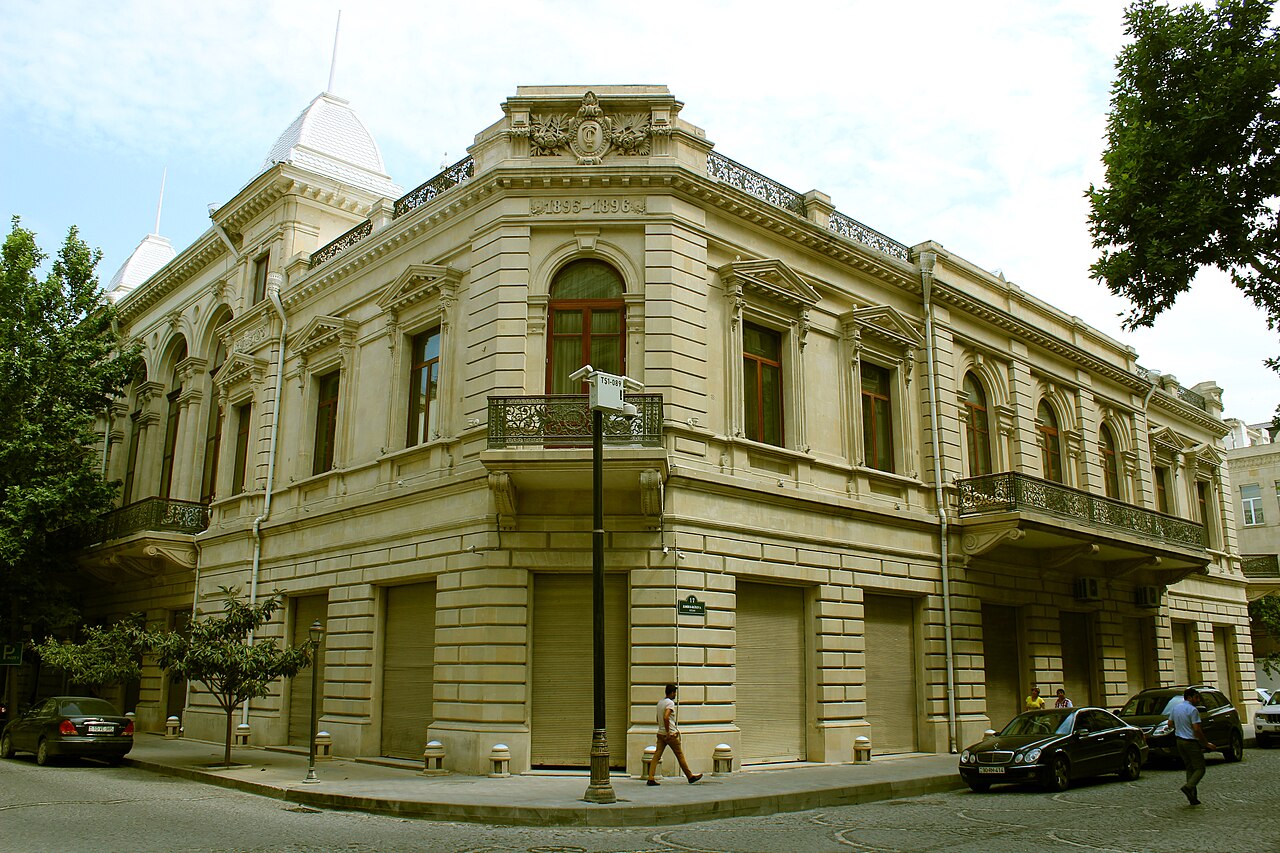




Building and architecture
The museum occupies the historic Taghiyev mansion, originally built for Haji Zeynalabdin Taghiyev, a leading oil entrepreneur and philanthropist of the late 19th and early 20th centuries. The building is noted for its period architecture and interior detailing, which form part of the visitor experience and reflect urban life in Baku during the oil boom. The mansion was adapted for public use and remains an architectural as well as a cultural landmark.
Collections
The museum's collections are diverse and extensive, organized by theme and chronology to assist both general visitors and researchers. Major categories include:
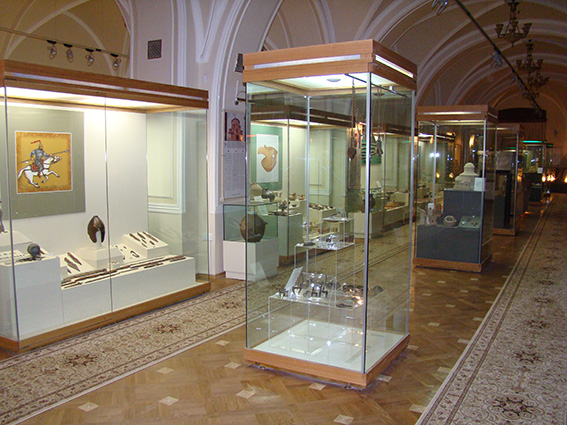
- Archaeology: prehistoric tools, settlement remains, pottery and metalwork that document human habitation and technological change in the region.
- Numismatics: coins and monetary artefacts that illustrate trade, economy and political authority across centuries.
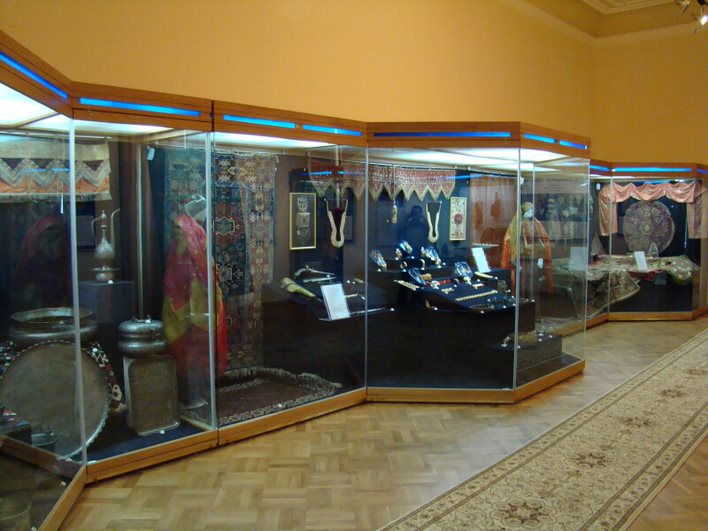
- Ethnography and applied arts: traditional costumes, textiles, household objects and craftwork showing regional cultural practices.
- Manuscripts and documents: archival materials, maps, photographs and official records important for modern and contemporary history.
Exhibitions and research
Permanent galleries provide a chronological framework, while temporary exhibitions explore specific themes, recent discoveries or working research projects. The museum maintains conservation and cataloguing programs, publishes research and organizes lectures and educational activities. These initiatives support regional scholarship and public understanding of archaeological and historical evidence.
History of the institution
Established in the early Soviet period and formally founded in 1920, the museum grew from a combination of private collections and state acquisitions. Over decades it expanded its holdings and professional staff, adapting exhibition strategies to changing museological standards and new archaeological findings. Its role evolved from a regional repository to a national centre for the study of Azerbaijan’s past.
Public programmes and partnerships
The museum engages with schools, universities and cultural organisations through guided tours, workshops and collaborative exhibitions. It also participates in conservation projects and exchanges with other institutions to share expertise. International cooperation has supported research on the Caucasus and on cross-regional connections such as trade networks and artistic influences.
Notable holdings and themes
Among the museum’s important kinds of material are early metal objects illustrating prehistoric metallurgy, medieval coins that trace economic ties, ethnographic ensembles that document local dress and craft traditions, and photographic archives that capture urban and social change. Together these materials offer multiple perspectives on continuity and change across centuries.
Visiting information
The museum’s central Baku location makes it accessible to residents and visitors interested in the country’s history and cultural heritage. Exhibitions are intended for a wide audience, from school groups to researchers. Programs often include guided tours, educational resources and occasional thematic events that highlight recent discoveries or anniversaries.
For more institutional details and resources see the museum entry in Azerbaijani name and description, general listings as a national museum, historical overviews of the country and region, information about Azerbaijan and the city of Baku, accounts of the former mansion and the building's benefactor Taghiyev.
The museum remains a key resource for anyone seeking an informed, material-based introduction to Azerbaijan’s long and varied past.
Questions and answers
Q: What is the National Museum of History of Azerbaijan?
A: The National Museum of History of Azerbaijan is the largest museum of Azerbaijan that showcases the historic artifacts of the country.
Q: Where is the National Museum of History of Azerbaijan located?
A: The National Museum of History of Azerbaijan is located in Baku, Azerbaijan.
Q: Who established the National Museum of History of Azerbaijan?
A: The National Museum of History of Azerbaijan was established in 1920 by the government of Azerbaijan.
Q: What is the significance of the location of the National Museum of History of Azerbaijan?
A: The National Museum of History of Azerbaijan is located in the former mansion of Haji Zeynalabdin Taghiyev, a philanthropist and oil magnate from Azerbaijan, which makes it an important cultural heritage site.
Q: What is on display at the National Museum of History of Azerbaijan?
A: The National Museum of History of Azerbaijan showcases historic artifacts of Azerbaijan including archaeological findings, manuscripts, coins, and ceramics.
Q: What makes the National Museum of History of Azerbaijan important?
A: The National Museum of History of Azerbaijan is an important institution as it represents the rich history and cultural heritage of Azerbaijan.
Q: Can anyone visit the National Museum of History of Azerbaijan?
A: Yes, anyone can visit the National Museum of History of Azerbaijan during the working hours of the museum.
Related articles
Author
AlegsaOnline.com National Museum of History of Azerbaijan Leandro Alegsa
URL: https://en.alegsaonline.com/art/68658
Sources
- icom.azeurotel.com : Azerbaijan National Committee of International Council of Museums (ICOM)