
Nazi eugenics: ideology, policies, and consequences
An overview of Nazi eugenics: its ideological roots, main programs (sterilization, euthanasia, racial laws), methods, victims, role in the Holocaust, and its legacy in law and ethics.
Overview
Nazi eugenics was the set of ideas and state policies in Germany under National Socialism that aimed to reshape the population according to a racialized, pseudo‑scientific notion of biological fitness. These doctrines were central to the regime in Nazi Germany and influenced decisions made during World War II. Leaders and many officials promoted the concept of an Aryan race as a superior national ideal, sometimes described in regime propaganda as the master race or the best race, and they treated perceived biological inferiority as a social problem to be eliminated.
Image gallery
10 Images




Ideological roots and development
These policies grew out of older European and American eugenic movements of the late 19th and early 20th centuries, mixed with racial theories, social Darwinist ideas, and nationalist politics. The Nazi program presented eugenics as a scientific tool to strengthen the nation: laws, medical practices, and administrative mechanisms were put in place to identify and prevent the reproduction of people judged undesirable. The term eugenics was used by officials and scientists, though the conclusions they drew relied on false inferences and discriminatory assumptions rather than reliable genetics.
Major policies and administrative measures
The regime enacted a series of laws and actions that institutionalized eugenic goals. Key measures included:
- Compulsory sterilization under the 1933 Law for the Prevention of Hereditarily Diseased Offspring, which led to large numbers of people being surgically sterilized to prevent conception (surgery).
- State‑organized killing programs (often called euthanasia programs) targeting people with disabilities and other groups labeled "life unworthy of life," carried out in special facilities and hospitals.
- Racial laws and classifications that denied civil rights to Jews, Roma and Sinti, and others identified as racially or biologically undesirable, excluding them from society and economic life (German society).
Methods, targets, and sites
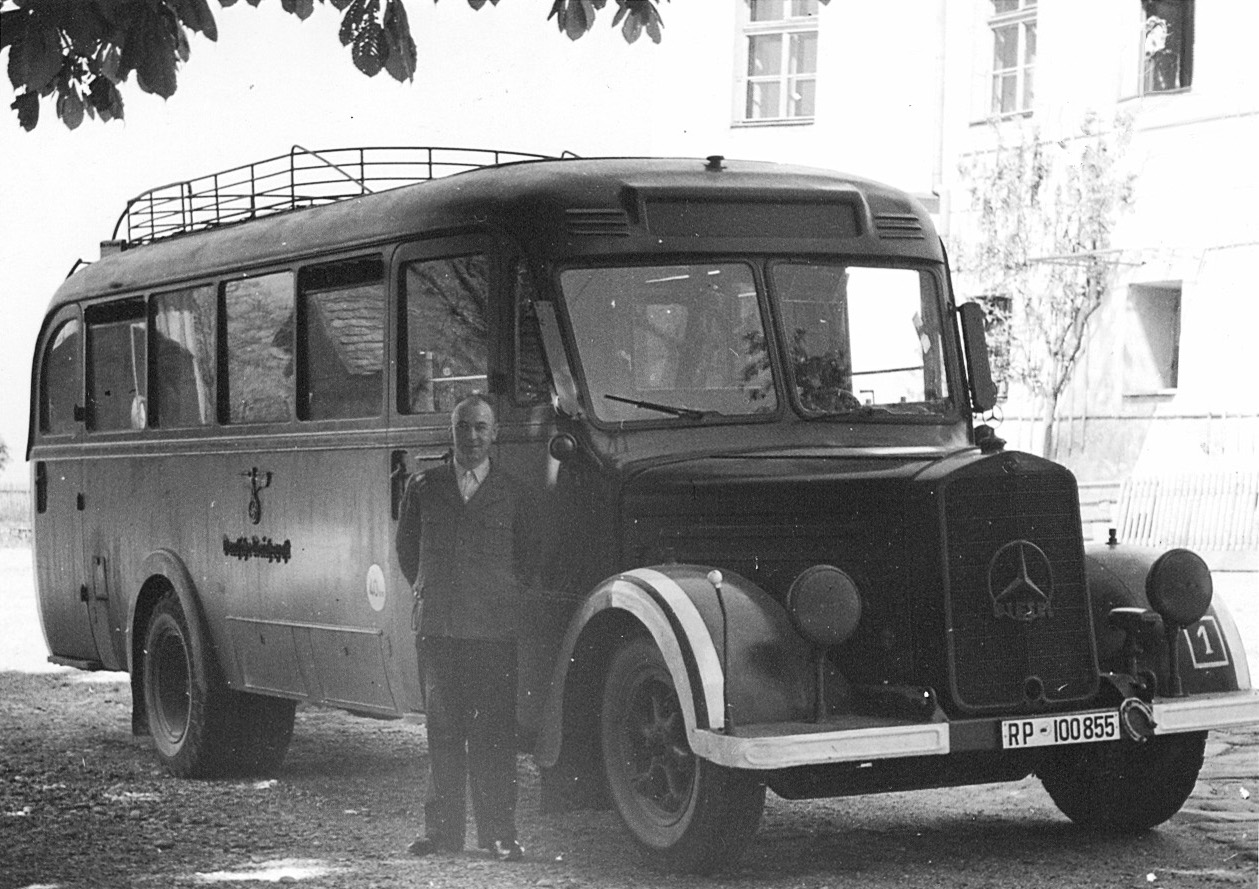
Those targeted included people with physical and mental disabilities (people with disabilities), as well as many ethnic and social groups. The euthanasia programs used multiple killing methods learned and adapted by perpetrators: some victims were killed by lethal injections, poison, or exposure to toxic gases; mobile gas vans (vans) and stationary gas chambers were also employed in different contexts. These practices were initially carried out in medical institutions and euthanasia centers and later informed the mechanics of larger killing operations.
From euthanasia to mass murder
The techniques and organizational routines developed in the euthanasia programs were a grim precursor to the industrialized killing that followed. The Nazi leadership extended racial policy beyond those with disabilities to conduct mass murder in dedicated extermination camps, with the declared aim to exterminate entire populations that the regime considered dangerous or inferior. Jews (Jewish people), Roma and Sinti (Roma), and many other groups were deported from across Europe to camps, where some were killed on arrival and many others were forced to labor or died of starvation, disease, and mistreatment (forced to work).
Victims, scale, and contested figures
Victims of Nazi eugenic policies included children and adults in institutions, prisoners, members of persecuted ethnic groups, and others deprived of rights and protection. Estimates of the numbers affected vary by program and source. Large numbers were sterilized under compulsory laws during the 1930s; the euthanasia programs and later genocidal campaigns resulted in tens or hundreds of thousands of deaths. Scholarly research continues to refine the figures and to document local practices and survivor testimonies.
Legacy, legal responses, and ethical lessons
After 1945, the revelations about eugenic killing influenced postwar trials, public memory, and the development of medical ethics and human rights law. The abuses highlighted the dangers of state power allied to discriminatory science and led to reforms in bioethics, informed consent, and protections against medical and racial discrimination. Contemporary discussion of eugenics warns against reviving coercive biological policies and stresses the importance of safeguards in genetics and public policy.
For further background and primary sources, consult historical overviews and archives that document laws, administrative files, and survivor accounts (Nazi Germany, World War II, extermination camps). These materials help explain how a discriminatory ideology translated into systematic state violence and why vigilance against similar abuses remains an important public and scholarly concern.
Questions and answers
Q: What were Nazi eugenics?
A: Nazi eugenics was a set of beliefs and rules that were very important to Nazi Germany during World War II. These beliefs said that the Aryan race was the master race – the best race of all – and all other races were inferior (not as good). There were also many other people who the Nazis believed were "life unworthy of life," like people with disabilities.
Q: How did the Nazis try to get rid of those they deemed “inferior”?
A: The Nazis tried to get rid of those they deemed “inferior” by forcing more than 400,000 people with disabilities to be sterilized (to have surgery that would make it impossible for them to have children) and killing over 300,000 people with disabilities in a program called Action T4. In this program, the Nazis sent people with disabilities to places like Hadamar and Hartheim Euthanasia Centres where they were killed with lethal injections and poison gas, in vans and gas chambers at the Euthanasia Centres.
Q: What did the Nazis learn from killing people with disabilities?
A: The Nazis learned from killing people with disabilities how to build extermination camps (death camps). They used these death camps as part of their goal to exterminate (kill all of) Jewish and Roma people in Europe. They also sent many other people who they thought were inferior to concentration camps, where they were forced to work as slaves.
Q: Who did the Nazis consider superior?
A: The Nazis considered members of the Aryan race superior compared to all other races which they deemed inferior or not as good.
Q: What was Action T4?
A: Action T4 was a program created by the Nazis in which over 300,000 disabled individuals were killed using lethal injections or poison gas at Hadamar or Hartheim Euthanasia Centres.
Q: Where did Nazi Germany send those considered “inferior”?
A: Those considered “inferior” by Nazi Germany were sent either extermination camps (death camps), where their goal was extermination (killing all) Jewish and Roma peoples in Europe; or concentration camps, where they forced them into slave labor.
Related articles
Author
AlegsaOnline.com Nazi eugenics: ideology, policies, and consequences Leandro Alegsa
URL: https://en.alegsaonline.com/art/68879
Sources
- holocaust-history.org : The Nazi Doctors: Medical Killing and the Psychology of Genocide
- digitalassets.ushmm.org : "Close-up of Richard Jenne, the last child killed by the head nurse at the Kaufbeuren-Irsee euthanasia facility"
- books.google.com : Forgotten crimes: the Holocaust and people with disabilities
- sfgate.com : "Eugenics and the Nazis – The California Connection"
- books.google.com : Justice and the Human Genome Project
- historische-kommission-muenchen-editionen.de : historische-kommission-muenchen-editionen.de/rektoratsreden/anzeige/index.php?type=rektor…
- books.google.com : Race, racism, and science: social impact and interaction
- books.google.com : Three Generations, No Imbeciles: Eugenics, the Supreme Court, and "Buck v. Bell"
- books.google.com : The Routledge History of the Holocaust
- books.google.com : The Third Reich in Power
- worldfuturefund.org : "The History of Creation, vol. I"
- worldcat.org : 9830111
- books.google.com : Social Darwinism in European and American Thought, 1860-1945: nature as model and nature as threat
- worldcat.org : 34705047
- ncbi.nlm.nih.gov : "Psychiatric genocide: Nazi attempts to eradicate schizophrenia"