
Towel: types, materials, history and practical uses
Overview of towels: common materials (terry, microfiber, paper), typical forms (bath, hand, dish, beach), construction, care, history and environmental considerations.
A towel is a textile or disposable sheet used primarily to absorb moisture, clean surfaces or provide warmth and comfort. Towels appear in many shapes and sizes, from small cloths for washing the face to large beach sheets and single-use paper rolls. Their design balances absorbency, softness, drying speed and durability to suit specific tasks in domestic, commercial and recreational settings.
Image gallery
7 Images


Materials and construction
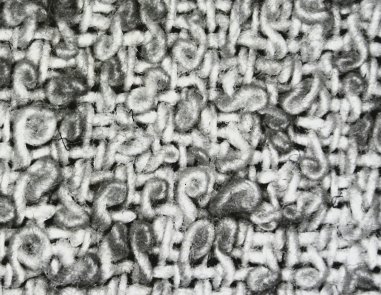
Traditional fabric towels are commonly woven from cotton because of its natural absorbency and softness. A typical bath towel uses terry cloth, a knit or woven fabric with uncut loops on the surface that increase surface area and trap water. Microfiber blends—made from very fine synthetic fibers—offer rapid drying, compactness and effective cleaning on smooth surfaces, which makes them popular for sports, travel and household cleaning. Disposable towels can be produced from paper or non‑woven materials and are intended for single use when hygiene or convenience is important.
Types and common uses
- Bath towel: larger, for drying the body after bathing or swimming.
- Hand towel: smaller, kept near sinks for drying hands.
- Washcloth/face cloth: small square used for washing and exfoliation.
- Kitchen towels: includes dish towels and tea towels for drying dishes and handling hot cookware.
- Beach towel: usually large and decorative, for lying on sand and drying off outdoors.
- Technical towels: microfiber or quick‑dry towels used in sports, travel and automotive care.
Towels are also produced with added features such as hanging loops, borders, embroidery or antimicrobials, and may be sold in sets matched by color and weight.
History and development
Cloth for wiping and drying has existed in many cultures for centuries. Over time, weaving and finishing techniques improved to produce fabrics with greater absorbency, durability and decorative appeal. The terry loop weave became widespread because it combines softness with high liquid retention. In modern times, industrial manufacturing expanded the range to include disposable paper towels and engineered microfibers suited to specialized tasks.
Care, hygiene and environmental aspects
Proper laundering and airing help keep towels sanitary; frequent washing is recommended for items used on the skin. Hanging towels to dry on a rail or hook speeds evaporation and reduces odor. Disposable paper towels offer convenience and single‑use hygiene but contribute to waste; reusable fabric towels require water and energy to launder. Consumers often weigh absorbency, drying speed, longevity and environmental impact when choosing towel types. For technical guidance or product options, see further resources.
Notable distinctions include the tradeoffs between natural fibers and synthetics: cotton excels at gentle absorbency and comfort, while synthetic microfibers enable quick drying and improved surface cleaning. The wide variety of towel forms reflects the many everyday tasks where a simple piece of cloth or paper remains indispensable.
Author
AlegsaOnline.com Towel: types, materials, history and practical uses Leandro Alegsa
URL: https://en.alegsaonline.com/art/100914