
Nandrin: municipality in the Walloon province of Liège, Belgium
Nandrin is a small municipality in Wallonia, province of Liège, eastern Belgium. It had 5,651 inhabitants in 2007 and is known for rural landscapes, local heritage and outdoor recreation.
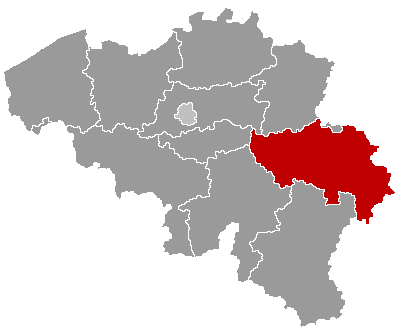
Overview — Nandrin is a municipality in the French-speaking Walloon Region of eastern Belgium, within the province of Liège. Official counts recorded 5,651 inhabitants in 2007. Its approximate coordinates are 50°30′N, 5°25′E, which place it in a mixed landscape of farmland, woodlands and small settlements. For municipal information see Nandrin municipal site and general country context at Belgium.
Image gallery
3 Images

Geography and demographics
The territory combines cultivated fields, hedgerows and wooded sections that are typical of the Walloon countryside. The area serves as a residential and agricultural hinterland to larger urban centres in the province. Population density is low compared with city municipalities; inhabitants live in a central village and a number of smaller hamlets. For maps and location details consult local map resources or provincial references at province of Liège.
History and development
Nandrin’s settlement history follows regional patterns: small rural communities with medieval origins that later fell under the influence of the Prince-Bishopric of Liège. Over centuries the locality evolved from predominantly agricultural holdings to a mixed economy with modest local services and crafts. Historic parish churches and old houses reflect the locality’s long habitation.
Local government is organised like other Belgian municipalities, with a mayor and municipal council responsible for primary schools, local roads, planning and cultural initiatives. Community life typically centres on seasonal festivals, communal events and volunteer associations.
Economy, culture and recreation — The local economy is based on agriculture, small businesses and services; many residents commute to jobs in larger towns. Nandrin offers walking and cycling routes, countryside recreation and a modest programme of cultural activities that celebrate regional traditions.
Visitors seeking practical details, historical notes or up-to-date municipal services can consult the official municipal pages or regional guides via the links above. Typical attractions include parish churches, rural heritage sites and routes for outdoor exploration.
- Outdoor activities: hiking, cycling and nature observation
- Cultural features: local festivals and heritage architecture
- Practical links: municipal information, provincial resources
Related articles
Author
AlegsaOnline.com Nandrin: municipality in the Walloon province of Liège, Belgium Leandro Alegsa
URL: https://en.alegsaonline.com/art/68242
Sources
- statbel.fgov.be : Population per municipality as of 1 January 2016
- statbel.fgov.be : Werkelijke bevolking per gemeente op 1 januari 2007 / Population de droit par commune au 1 janvier 2007 (.xls)
- statbel.fgov.be : Geografische coördinaten van de gemeenten (.xls)